Why Your Kale Salad Isn't Solving Climate Change—And What Farmers' Markets Are Doing About It
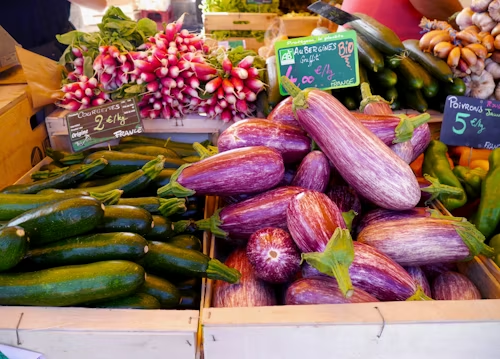
Let's face it: we've all tried to be that eco-warrior who shops local, but sometimes it feels like tossing a water bottle into the recycling bin during a forest fire. I mean, can buying a few tomatoes at your local market really cool down the planet? Spoiler: it's more impactful than you think.
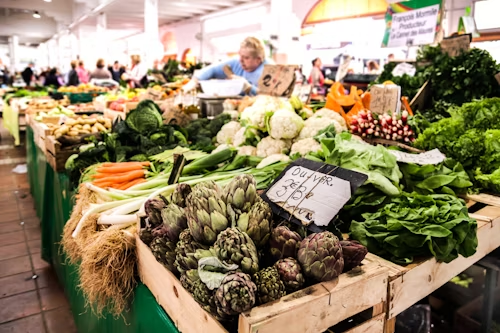
What’s Really Growing at Your Local Farmers' Market?
It's not just about the unreasonably large zucchinis or the organic honey that costs more than my Netflix subscription. Farmers' markets are turning into crucial hubs for sustainable growth, and here's the dirt—not all soil is created equal, folks.
These markets have become the frontlines in the battle to connect eaters with their roots—quite literally. They’re not just selling food; they’re cultivating community and transparency in an age where both seem as scarce as a perfectly ripe avocado.
From Farm to Frenzy: How Markets Are Cultivating More Than Just Food
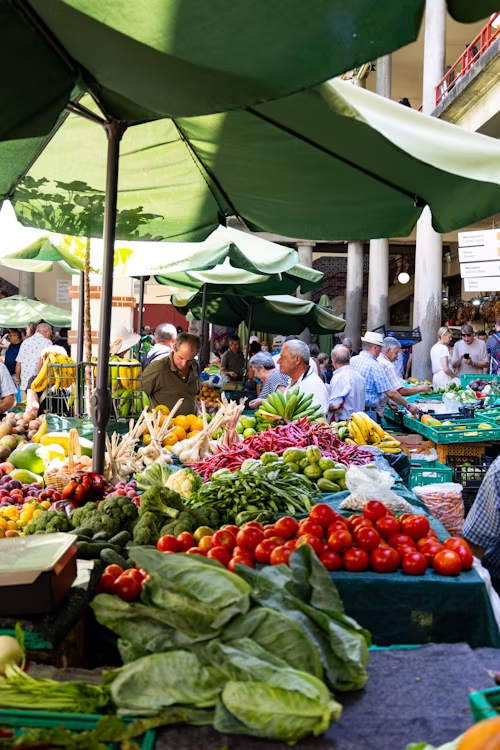
Ever noticed how farmers' markets can feel like mini festivals? There’s a vibe of celebration that your average supermarket aisle can’t compete with. This isn’t by accident. Market organizers are getting savvy, creating spaces that foster connections—not just between consumers and their food, but among the community members themselves.
Think about it: when was the last time you knew the name of the person who grew your lettuce? Exactly.
Top Trends in Today’s Farmers' Markets
- Pop-up farm-to-table dinners—because who doesn't love eating fancy in a field?
- Workshops on everything from composting to beekeeping—yes, bees!
- Live music and art installations (I mean, if a tree falls in a market and no one’s around to Instagram it, does it make a sound?)
- Yoga classes among the greens—talk about saluting the sun.
These activities enrich the experience and educate people—not just about what they’re eating, but why it matters.
The Ripple Effect of Buying Local
Here’s a fun fact: when you buy from local farmers, you’re not just padding their pockets; you’re funding the community. That artisan cheese purchase? It’s likely helping fund little Adela’s school play. And those organic carrots? They’re probably keeping Farmer Joe’s lights on. It’s a cycle of support that extends far beyond the dinner table.
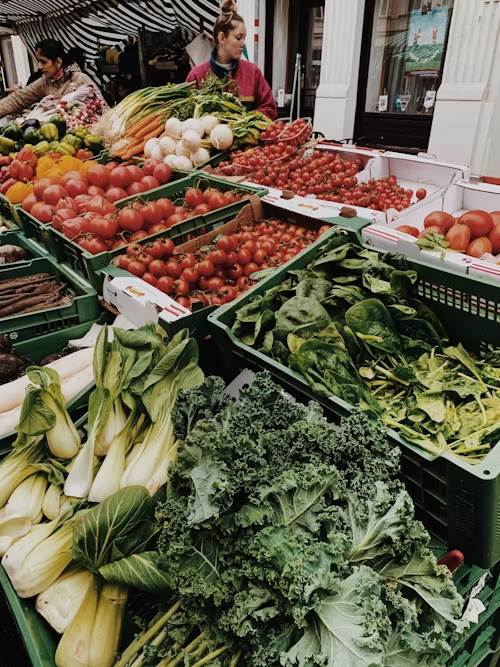
In my experience, the conversations I've had over crates of apples have done more for my neighborhood than any city council meeting. And hey, if talking shop with the guy who grows my tomatoes means I can also help keep his farm running, count me in.
But What About the Issues?
No market is without its mayhem. There are logistical nightmares, from parking pandemonium to the ever-elusive perfect vendor mix. Managing these bustling bazaars is no small feat, and it takes savvy management to keep the kale from hitting the fan.
Looking Forward: The Future of Farmers' Markets
What’s next for these community cornerstones? I see a world where markets not only connect us with our food but also with innovative tech. Imagine a market where you can track the carbon footprint of your groceries, or where AI helps you plan meals based on sustainable practices. It’s not just possible; it’s on the horizon.
And remember, while your kale salad alone might not save the world, the choices we make collectively just might. So, next time you’re debating between hitting up your local market or that big-box store, remember: those small choices aren’t just about what’s on your dinner plate—they’re about who’s growing your food and how.
So, what’s stopping us from making our local markets the new normal? Can convenience ever make peace with community? Let’s chat in the comments below!