Unlocking the Potential of Farmers Markets: A Comprehensive Guide to Promotion, Operations, and Event Planning
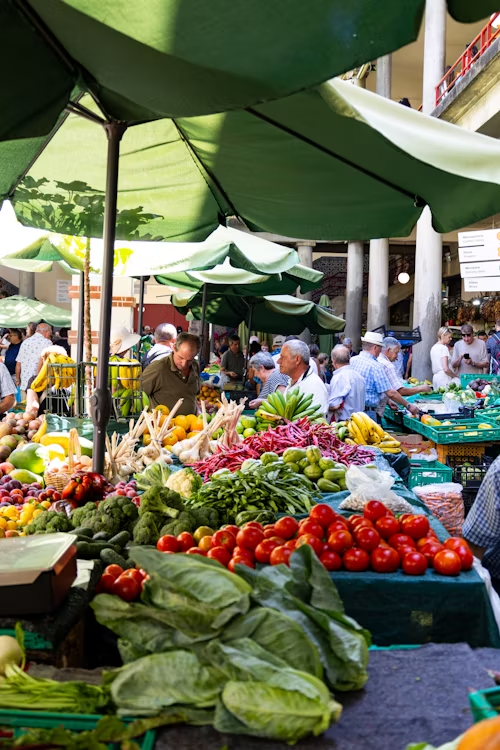
Farmers markets serve as critical hubs where the vibrancy of local agriculture meets community engagement. These markets do more than just provide fresh, farm-to-table products; they foster social connections, support local economies, and promote sustainable farming practices. For market organizers and vendors, understanding the nuances of farmers market promotion, operations, and event planning is essential for success. This guide offers an in-depth look at how to enhance market accessibility and effectiveness through strategic planning and community involvement.
The Importance of Farmers Market Promotion
Promoting a farmers market effectively is crucial for attracting a steady stream of customers, ensuring vendor satisfaction, and establishing the market as a community staple. Successful promotion involves a multifaceted approach:
- Branding and Identity: Create a recognizable brand that reflects the market’s values and appeals to the target demographic. This includes a distinctive logo, a consistent color scheme, and a strong, unified message across all platforms.
- Digital Marketing: Leverage social media, email newsletters, and a well-maintained website to connect with the community, share updates, and highlight vendor stories and seasonal products.
- Community Outreach: Engage with local businesses, schools, and organizations to foster partnerships that can lead to increased visibility and patronage.
- Media Relations: Build relationships with local media outlets and bloggers who can help spread the word about market events and features.
By implementing a robust promotional strategy, farmers markets can increase their visibility and become a go-to destination for quality, local produce and goods.
Streamlining Farmers Market Operations
Efficient market operations are key to creating a positive experience for both vendors and visitors. This involves everything from logistical planning to vendor management and customer services. Here’s how to optimize these processes:
- Vendor Selection and Management: Develop a transparent application process that aligns with the market’s goals. Provide clear communication and support to vendors regarding market rules and their responsibilities.
- Layout and Logistics: Design a market layout that facilitates easy access to all vendors while ensuring traffic flow and safety. Consider factors such as parking, accessibility for people with disabilities, and emergency access.
- Payment Systems: Implement diverse payment options, including cash, credit cards, and mobile payments, to cater to a broader audience. Participate in programs like SNAP and WIC to support market accessibility for all community members.
- Crowd Management: Employ strategies for managing crowd sizes, especially during peak times or special events, to maintain a comfortable and safe shopping environment.
With these operational strategies in place, farmers markets can run smoothly, enhancing the satisfaction of vendors and patrons alike.
Creating a Hub for Farm-to-Table Markets
Farm-to-table markets are not just about selling produce; they are about creating an experience that educates and connects consumers to their local food systems. To emphasize the farm-to-table aspect:
- Educational Programs: Host workshops and cooking demonstrations to educate attendees on the benefits of farm-to-table eating and ways to prepare local products.
- Farmer Engagement: Encourage farmers to share stories about their practices and products to foster a deeper connection between them and the consumers.
- Seasonal Celebrations: Organize events that highlight the seasonal nature of local agriculture, such as a spring planting festival or a fall harvest celebration.
These initiatives not only enrich the market experience but also strengthen the community's engagement with local food sources, promoting healthier lifestyles and sustainable agriculture.
Enhancing Market Accessibility
Ensuring that everyone in the community has access to the farmers market is vital for building inclusive, sustainable food systems. Enhancing market accessibility involves several key efforts:
- Physical Accessibility: Ensure that market layouts are navigable for people with disabilities, including those who use wheelchairs or other mobility aids.
- Economic Accessibility: Participate in government assistance programs that allow low-income individuals to afford fresh, local products.
- Transportation: Work with local transit authorities to provide routes and services that facilitate easy access to the market location.
- Language and Communication: Offer signs and materials in multiple languages and employ staff or volunteers who can communicate effectively with a diverse customer base.
By addressing these aspects, farmers markets can become a welcoming space for all members of the community, regardless of their physical, economic, or cultural backgrounds.
Expert Farmers Market Event Planning
Special events can draw additional crowds to farmers markets and offer new opportunities for vendor sales and community engagement. Effective event planning requires careful consideration and organization:
- Themed Events: Plan events around themes such as local music, arts and crafts, or holiday celebrations to attract different segments of the community.
- Vendor Involvement: Encourage vendors to participate in the planning process and to offer special promotions or activities during events.
- Partnerships: Collaborate with local businesses, artists, and educators to enrich the event’s offerings and draw in a diverse audience.
- Marketing: Promote events well in advance using all available channels, including social media, local media, and community bulletin boards.
Through thoughtful planning and community involvement, farmers market events can enhance the market's profile, attract new visitors, and provide additional revenue opportunities for local vendors.
By focusing on robust promotion, efficient operations, engaging farm-to-table initiatives, comprehensive accessibility measures, and dynamic event planning, farmers markets can thrive as essential, vibrant parts of the local community. These markets not only support local agriculture but also contribute to the health and wellness of their patrons and the sustainability of their regions.