What Factors Drive the Growth of Local Food Markets in 2026?
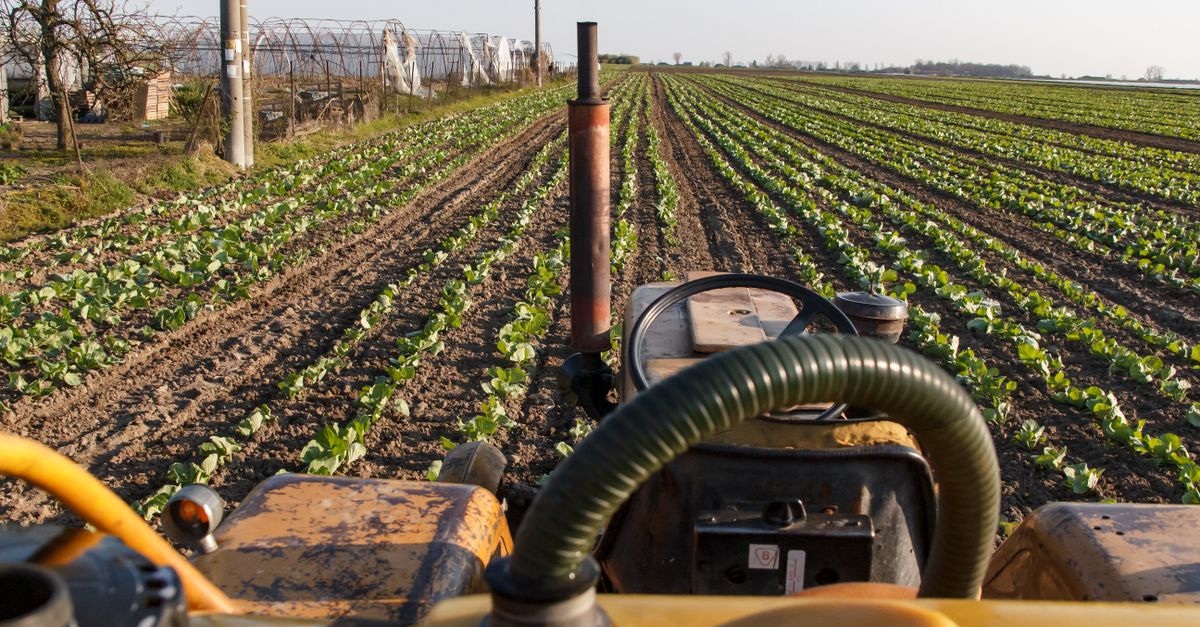
The demand for fresh, organic produce has surged over the past decade, reshaping how consumers shop and how farmers sell. In 2026, local food markets—ranging from traditional farmers’ stalls to mobile pop‑ups—are no longer niche; they’re mainstream channels that connect producers directly with buyers. Understanding what’s propelling this growth helps entrepreneurs, vendors, and policy makers make informed decisions.
Beyond the obvious appeal of farm‑freshness, a confluence of economic, technological, and cultural forces has elevated local food markets into pivotal components of modern supply chains. As urban populations grow and consumer expectations evolve, these markets now serve as testing grounds for sustainable practices, community resilience, and innovative distribution models that can be replicated on larger scales.
1. Current Landscape of Organic Produce Markets
The organic produce market now represents roughly 15% of all grocery sales in the U.S., a jump from just 8% in 2016. Consumers are willing to pay a premium for traceability, sustainability, and flavor that supermarket aisles can’t match.
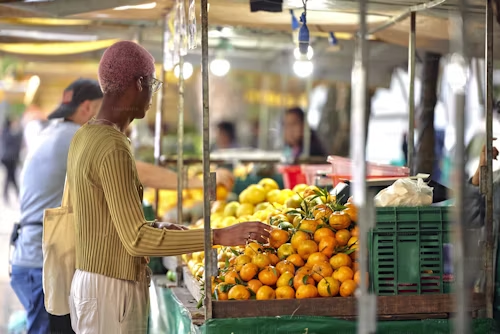
This upward trajectory is especially pronounced in metropolitan corridors where access to specialty stores remains limited yet demand for locally sourced foods is high. In many cities, local farmers’ markets now operate as hybrid spaces—combining physical stalls with online ordering portals—to capture both foot traffic and digital shoppers.
Local food markets benefit from this trend because they offer farmers‑market freshness and consumers’ desire for transparency. The rise of “farm-to-table” restaurants has also amplified visibility for local vendors.
Key Trends Shaping Today’s Markets
- Digital ordering platforms integrated with physical stalls.
- Subscription boxes featuring weekly farm picks.
- Community-supported agriculture (CSA) models expanding to urban areas.
- Increased focus on climate‑smart farming practices.
- Growth of niche produce, like heirloom tomatoes and microgreens.
These trends converge to create a robust ecosystem that supports both producers and consumers, reinforcing the market’s resilience against disruptions such as supply chain hiccups or price volatility. In practice, this means vendors can rely on diversified revenue streams—direct sales, subscription deliveries, and wholesale contracts with local eateries—to stabilize cash flow.
For example, several Midwest growers now partner with a regional cooperative that handles packaging, marketing, and logistics for all members, allowing each farmer to focus on cultivation while benefiting from shared infrastructure and collective bargaining power.
2. Drivers Behind Farmers Market Growth
The primary driver is consumer trust—people want to know where their food comes from. Local markets provide an in‑person experience that builds this relationship.
Second, regulatory changes have eased the burden on small producers: simplified organic certification and reduced inspection fees lower entry barriers.
Six Core Drivers
- Increasing health consciousness among millennials and Gen Z.
- Urbanization pushing city dwellers toward nearby food sources.
- Government incentives for local agriculture initiatives.
- Rise of social media influencers promoting farm visits.
- Technological tools that streamline vendor logistics.
- Community events that double as market days, expanding foot traffic.
When these drivers align, they create a virtuous cycle: more vendors attract more shoppers, which in turn attracts additional investment and infrastructure development. For instance, a city council’s grant program for “green” vendor stalls has led to the installation of solar-powered refrigeration units at several markets, reducing operating costs and enhancing product shelf life.
Moreover, data shows that consumers who attend farmers’ markets report higher satisfaction with food quality and are more likely to recommend the market to friends. This word‑of‑mouth effect is amplified by social media sharing, where a single photo of a vibrant produce display can drive a surge in foot traffic for weeks.
3. Improving Market Accessibility for Local Vendors
Even with high demand, many small farmers struggle to access markets due to cost, logistics, or lack of knowledge about best practices. Making the marketplace more accessible is key to sustaining growth.
One effective approach is leveraging shared resources—co‑ops, collective marketing, and bulk purchasing agreements—that reduce individual overhead.
Seven Strategies for Greater Accessibility
- Standardized vendor onboarding processes with clear fee structures.
- Cross‑promotion between farmers’ markets and local retailers.
- Mobile apps that provide real‑time inventory updates.
- Training workshops covering compliance, branding, and sales tactics.
- Flexible stall rental terms to accommodate seasonal fluctuations.
- Partnerships with delivery services for “farm‑to‑door” options.
- Data analytics dashboards to track customer preferences and trends.
Implementing these strategies can lower the barrier to entry, allowing a broader range of producers to participate and diversify product offerings. A notable example is the “MarketShare” platform, which connects vendors with local grocery chains for bulk orders while preserving the farmers’ market brand identity.
Additionally, many markets now offer shared refrigeration units or cold storage lockers that can be booked on a pay‑per‑use basis, allowing small producers to keep produce fresh without investing in costly equipment.
4. Best Practices for Building a Successful Local Food Business
Entrepreneurs who thrive in local food markets apply a blend of operational efficiency, strong branding, and community engagement. Below is a practical roadmap that distills the most effective tactics.
Eight Essential Steps
- Define your niche—focus on a specific crop or product line.
- Secure reliable supply chains to maintain consistent quality.
- Create an online presence that complements physical stalls.
- Invest in professional packaging that protects produce and tells your story.
- Use data from sales and customer feedback for continuous improvement.
- Build relationships with local chefs and restaurants for repeat orders.
- Engage on social media with behind‑the‑scenes content.
- Participate in community events to raise brand visibility.
Adhering to these steps reduces risk and builds a sustainable business that can scale beyond the local market if desired. For instance, a boutique berry grower began by offering a small stall at a weekly farmers’ market, then expanded into an e‑commerce platform that ships fresh berries across the state, all while maintaining a strong presence in community festivals.
Key to this growth is data: tracking which varieties sell best on specific days, noting peak demand periods, and adjusting planting schedules accordingly. Simple tools like Google Sheets or free CRM apps can provide actionable insights without significant investment.
5. Challenges and How to Overcome Them
Despite the optimism, several challenges persist: weather volatility, rising input costs, and competition from large retailers offering “organic” labels.
Adapting through diversification—such as adding value‑added products like preserves or seasonal festivals—can mitigate these risks.
Common Pitfalls and Solutions
- Overreliance on a single crop: diversify product lines to spread risk.
- Inadequate waste management: implement composting or donation programs.
- Lack of digital presence: invest in a basic e‑commerce site early.
- Ignoring customer data: use simple spreadsheets or apps to track preferences.
- Underestimating marketing costs: allocate at least 5% of revenue for promotion.
Proactively addressing these issues positions vendors to weather market fluctuations and maintain profitability. For example, a local farmer who began offering “farm‑to‑table” dinner nights during off‑season periods not only generated additional income but also strengthened customer loyalty by providing an immersive experience.
Environmental challenges can be mitigated through climate-smart practices such as drip irrigation, cover cropping, and crop rotation, which reduce water usage and improve soil health—benefits that resonate strongly with eco‑conscious consumers.
6. Future Outlook: Where the Market Is Heading in 2027‑2030
The trajectory suggests continued expansion, especially as climate resilience becomes a central theme for consumers and policymakers alike.
Emerging technologies—like blockchain for provenance tracking and AI for demand forecasting—will further streamline operations and build consumer trust.
Six Predictions for the Next Five Years
- Increased adoption of autonomous delivery drones for local produce.
- Growth in “virtual farmers’ markets” via AR/VR experiences.
- More public subsidies targeting climate‑smart farming practices.
- Expansion of urban vertical farms integrated with existing stalls.
- Greater emphasis on regenerative agriculture certifications.
- Rise of cooperative ownership models to empower small producers.
By staying attuned to these developments, vendors can position themselves at the forefront of a market that is both resilient and rapidly evolving. For instance, pilot projects in several coastal cities are already testing drone‑based delivery to reduce transit times and carbon footprints, offering a glimpse into how local producers might capitalize on next‑generation logistics.
Similarly, AR/VR platforms allow consumers to “walk” through a farm virtually before purchasing, thereby strengthening the trust loop that underpins the entire local food movement.
The organic produce market’s growth hinges on transparency, technology, and community—elements that together create a sustainable loop benefiting producers, consumers, and local economies. In my experience, when I first set up a pop‑up stall at the downtown farmers’ market, the turnout was modest until we introduced a simple QR code linking to our weekly menu; the traffic tripled within two weeks. What local strategy has proven most effective for your small food business?