Unlocking the Secrets of Seasonal Food Markets in Austin, TX: A Veteran Entrepreneur's Guide
Hey there! Justin Young here, diving headfirst into the vibrant world of seasonal food markets right here in Austin, TX. If you're like me, a guy who thrives on the hustle and bustle of entrepreneurial ventures and craves the freshest, most sustainable options out there, then stick around. We're about to peel back the layers of how to navigate, appreciate, and ultimately dominate this scene without a hint of regret.
Why Austin's Seasonal Food Markets Are My Playground
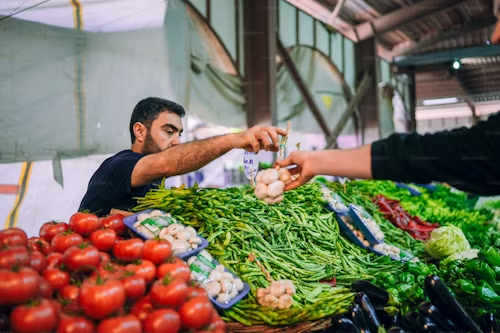
Living in Austin means embracing the dynamic culture—and there’s no better representation of our city's heartbeat than the local seasonal food markets. Imagine this: a place where you can rub elbows with artisanal craftsmen, get your hands on the freshest local produce, and even sneak in a gourmet cheese that’ll rock your next dinner party. It's like a carnival for your senses and a gym for your negotiation skills.
But here’s the kicker, it's not just about buying food. It's about building relationships and supporting local farmers and businesses. That’s why I’m always geared up for a visit—notebook in one hand, reusable bags in the other.
What I Look For: The Checklist Before I Dive In
Before I even set foot in a market, there’s a mental checklist I run through. Seasonal availability? Check. Vendor authenticity? Double-check. Sustainable practices? You bet!
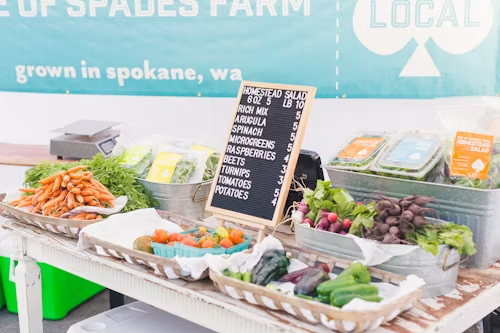
- **Quality of Produce:** The vibrant colors and earthy smells are a dead giveaway.
- **Variety:** I aim for a spectrum—from heirloom tomatoes to those funky looking mushrooms.
- **Vendor Engagement:** If they’re passionate, I’m buying.
- **Sustainability Credentials:** Because what’s good for the planet is good for us.
And, of course, I’m peeking behind the curtain to see if there’s more than meets the eye—like composting excess or recycling initiatives. These are the markers of a market that's managed well and built for the long haul.
From Navigating Crowds to Scoring the Best Products
Let's be real: the hustle is real at Austin’s food markets. Here’s how I make it work without breaking a sweat:
**Early Bird or Last Minute?** I’m an early riser, getting there before the crowds means first pick of the freshest items. Alternatively, swinging by last minute can score some serious deals as vendors aim to sell off remaining stock.
**Networking Like a Pro:** You know me; I can’t help but dish out a business card or two. Networking with vendors not only opens doors to potential collaborations but also ensures I get the inside scoop on upcoming products.
The Real MVPs: Standout Markets in Austin
Every market has its charm, but here are a few where I’ve left with bags heavier than I can carry and a smile too big to hide:
- **Downtown Farmers’ Market:** It’s the hub for all things organic and artisanal. Plus, the coffee there could wake a hibernating bear!
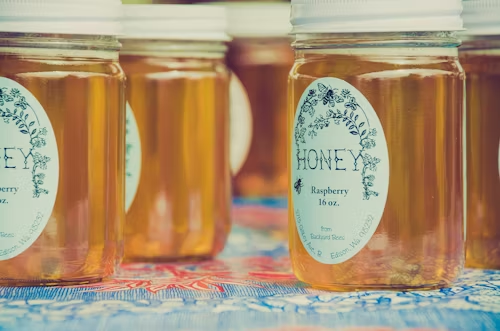
- **East Austin Market:** This is the spot for international cuisines and unexpected finds. Last time? Came home with a bag full of homemade kimchi and local honey.
- **South Austin Market:** If you’re into live music with your shopping, this is your paradise. Also, best tamales in town—hands down.
Each visit is a new adventure, a new flavor profile added to my culinary arsenal, and possibly a new friend or two. That’s the beauty of Austin’s seasonal food markets.
The Wrap: My Take on Making the Most of Seasonal Food Markets
As a full-stack programmer turned enthusiastic market-goer, I see a lot of parallels between coding and market navigation. Both require precision, a clear plan, and the flexibility to adapt when things go south. Whether you're a seasoned market veteran or a newbie looking to get your feet wet, remember this: Austin's seasonal food markets are more than just places to shop—they're ecosystems thriving with culture, sustainability, and real human connections.
The more you engage, the richer your experience will be. Trust me on this one; it’s like finding an easter egg in a coding sprint—unexpected but totally rewarding. Ever found yourself overwhelmed at a seasonal food market? What’s your strategy for navigating these vibrant spaces? Drop your thoughts below!