Thriving at the Intersection of Local Commerce and Culture: A Deep Dive into Community Farmers Markets and Artisan Goods

When thinking about a community farmers market, imagine it as a game of Monopoly. Players circle the board, aiming to collect properties and build a thriving empire. In a sense, local vendors at these markets are doing much the same; only their "properties" are the quality goods and fresh produce on their stalls, and their "empire" is the loyal customer base they cultivate. This playful analogy underscores the strategic and community-focused nature of participating in or visiting a local farmers market.
The Role and Impact of Community Farmers Markets
Community farmers markets serve as vital economic and social hubs within towns and cities. Unlike the impersonal nature of supermarket shopping, these markets foster a sense of community and support for local entrepreneurship that is palpable the moment you walk through the market space.
Benefits to the Local Economy
Participating in a community farmers market goes beyond mere transactions. It's about building relationships and sustaining local economies. Here, money spent is a direct investment in the community, often cycling back through other local businesses and services.
Key Economic Benefits
- Supports local farmers and artisans, keeping money within the community.
- Creates jobs and opportunities, especially for small-scale producers.
- Encourages local entrepreneurship and innovation in artisan goods.
- Reduces environmental impact with shorter supply chains.
The circulation of money within the locale boosts the overall economic health and maintains the uniqueness of the community, keeping it robust against the homogenizing effects of globalization.
Cultural and Social Enhancements
Community farmers markets are often vibrant with not only commerce but also culture. They can become platforms for local artists, musicians, and craftsmen, further enriching the community's cultural landscape.
Cultural Contributions of Farmers Markets
- Act as venues for cultural exchange and community gatherings.
- Provide a space for traditional and new artisan goods, preserving cultural heritage.
- Facilitate educational opportunities about local food and crafts.
- Promote a sense of pride and identity among community members.
This blend of economic and cultural engagement creates a fertile ground for nurturing community spirit and a shared sense of purpose, much like how players support each other in a friendly board game.
Exploring the Spectrum of Local Vendors and Artisan Goods
At the heart of every community farmers market are the vendors—the local farmers, craftsmen, and artists who bring their goods to the public. The diversity of offerings is similar to the variety of cards one might draw in a game of Risk, where each card presents a new opportunity or challenge.
Who Are These Local Vendors?
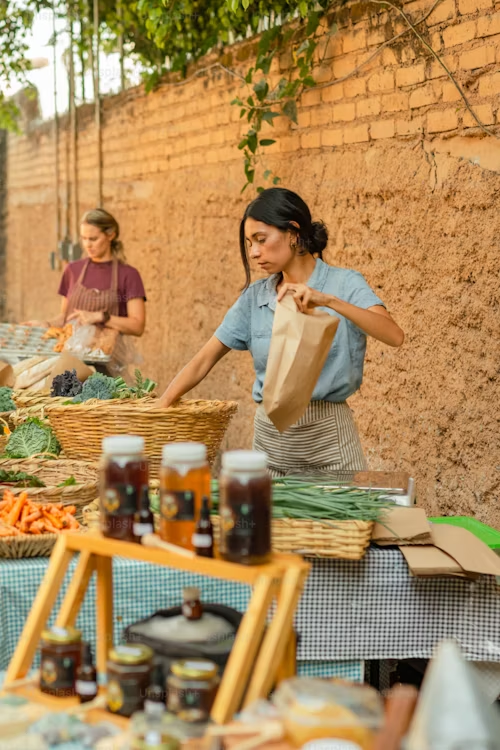
Local vendors vary widely, ranging from organic vegetable farmers to artisan jewelry makers. Each brings a unique flavor and story to the market, enhancing the shopping experience far beyond what is typically found in conventional stores.
Examples of Vendor Types at Community Farmers Markets
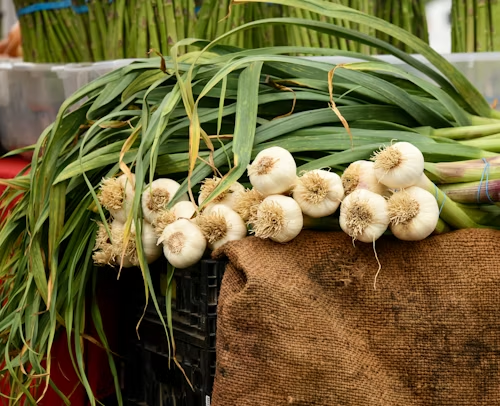
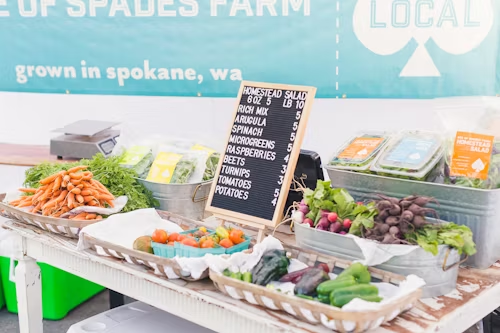
- Organic and non-GMO fruit and vegetable farmers
- Artisans specializing in handmade jewelry, pottery, and textiles
- Local honey producers and craft beverage makers
- Small-scale bakers and confectioners with unique local flavors
These vendors not only sell goods; they also share knowledge and passion, educating visitors about the benefits and stories behind their products, much like how a skilled player might explain their strategies in a board game.
The Significance of Artisan Goods
Artisan goods at local markets are not just products; they are embodiments of the maker's skill, tradition, and passion. They represent a commitment to quality and sustainability that mass-produced goods often lack.
What Makes Artisan Goods Unique?
- They are typically handcrafted, ensuring a high level of quality and attention to detail.
- Often made from locally sourced materials, supporting the reduce-reuse-recycle ethos.
- They frequently represent local or cultural heritage, adding to their uniqueness and appeal.
- Buying artisan goods supports small businesses and independent artists directly.
This connection to the local community and economy can be likened to forging alliances in a game of Risk, where strategic partnerships are crucial for mutual success.
Strategies for Effective Vendor Recruitment at Your Local Farmers Market
Ensuring a diverse and vibrant market requires strategic vendor recruitment, much like carefully selecting your battles in a game of Risk to maximize chances of success.
Effective Recruitment Strategies
Recruiting the right mix of vendors is essential for a thriving market. This involves understanding community needs, market trends, and how to attract and retain top local talent.
Top Strategies for Recruiting Vendors
- Offer competitive stall fees and flexible terms to attract budding entrepreneurs.
- Provide amenities such as electricity, tents, and storage to ease vendor logistics.
- Advertise in local media and online platforms to reach a wider vendor pool.
- Host social events and workshops to build community among vendors.
These strategies help create a supportive environment that attracts a diverse group of vendors, much like forming a strong alliance can turn the tide in a game of Risk.
Tags: Community farmers market, Local vendors, Artisan goods market, Local farmers market, Vendor recruitment
In conclusion, the world of community farmers markets and local vendors is as dynamic and strategically complex as any board game, but with the added joy of real-world impacts—strengthening local economies, enriching cultural life, and fostering community spirit. Whether you're a vendor considering a stall or a shopper seeking quality, local products, participating in your local farmers market is a move towards sustainable, community-focused living—a winning strategy in any game.