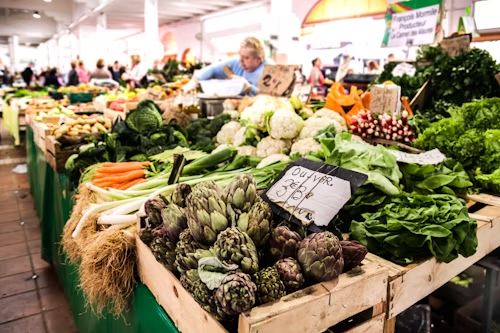
The Vibrant World of Community Farmers Markets: A Hub for Local Agriculture and Artisan Goods

Community farmers markets have become quintessential gathering spots where the vibrancy of local agriculture, the charm of homemade artisan goods, and the dynamics of efficient market management coalesce to create thriving, sustainable marketplaces. These markets not only serve as essential outlets for small farmers and craftspeople but also as vital components of urban and rural economies, fostering social connections and promoting a healthier, more localized food system.
Understanding the Impact of Community Farmers Markets
Community farmers markets, typically held on weekends in public squares, parks, or parking lots, offer a plethora of benefits. They provide a platform for small to medium-sized agricultural enterprises to sell their products directly to consumers, bypassing the need for middlemen, which can significantly improve their profit margins. For consumers, these markets guarantee access to fresh, locally-sourced produce and artisan goods, ranging from handmade cheeses to custom-crafted jewelry.
The social implications are equally beneficial. Markets become local hubs where people meet, mingle, and connect, often revitalizing community centers and encouraging civic engagement. Furthermore, they help in preserving agricultural traditions and fostering an appreciation for the craftsmanship involved in producing local foods and goods.
Key Elements of Successful Farmers Market Management
Effective management is crucial to the success of any community farmers market. From logistical planning to vendor selection and customer satisfaction, the management of these markets involves a detailed, proactive approach:
- Vendor Selection: A diverse range of vendors is crucial. Management teams work tirelessly to ensure a balance between various types of products, from fresh fruits and vegetables to artisan crafts, ensuring there is something for everyone.
- Location and Layout: Picking a location that is accessible and visible is key. The layout should allow easy movement of traffic, both foot and vehicular, while providing ample space for each vendor to display their goods attractively.
- Marketing and Promotion: Utilizing social media, local press, and community bulletin boards to promote the market can greatly increase turnout. Regular updates about new vendors, seasonal goods, and special events keep the community engaged and informed.
- Community Involvement: Encouraging community involvement through activities like live music, workshops, and food demos can enhance the market's appeal and draw larger crowds.
- Regulatory Compliance: Ensuring all vendors adhere to local health regulations and obtaining necessary permits are foundational to running a smooth operation.
These elements, when managed effectively, contribute to a flourishing market that benefits vendors and consumers alike and promotes a sustainable local economy.
Exploring Local Agricultural Markets
Local agricultural markets primarily focus on offering fresh, local produce directly from farmers to the consumer. These markets are critical in supporting local farming by providing farmers with a direct-to-consumer sales avenue, which can be more profitable than selling through wholesalers or retailers.
Local markets also play a crucial role in preserving farmland and supporting rural livelihoods. They encourage sustainable agricultural practices by financially supporting farms that might otherwise struggle to compete in the broader agricultural market. This support helps maintain biodiversity and promotes resilience in local food systems.
Moreover, these markets often serve educational roles, offering demonstrations and talks on cooking local produce, sustainable farming practices, and nutrition, which helps build a well-informed community that values and understands the importance of supporting local agriculture.
Spotlight on Artisan Goods Markets
Artisan goods markets are specialized segments of farmers markets or standalone events that focus on handcrafted products. These markets are crucial for artisans who are involved in crafts that require a high degree of skill and artistry, such as pottery, textiles, jewelry, and fine arts.
For many artisans, these markets are vital economic outlets where they can gain exposure and appreciate the value of their work firsthand from customers. These interactions can also offer artisans feedback that is crucial for refining their craft and adapting their products to meet consumer desires and trends.
In addition to supporting local economies, artisan goods markets contribute to cultural preservation and innovation by fostering an environment where traditional techniques are valued and new creative ideas can flourish.
How Consumers Can Engage with and Support Their Local Markets
Consumers have a powerful role to play in the success and sustainability of community farmers and artisan goods markets. Here are several ways consumers can engage:
- Shop Regularly: Make it a habit to shop at your local market to consistently support local vendors.
- Spread the Word: Use social media or word-of-mouth to share your positive experiences and bring more attention to the markets.
- Participate in Events: Attend workshops, cooking demonstrations, or other community events hosted at the market to deepen your connection with local food and artisan communities.
- Volunteer: Many markets rely on volunteers for setup, takedown, and general operations. Volunteering can be a great way to give back and get more involved.
In conclusion, community farmers markets and artisan goods markets are not just places to shop but are vibrant, dynamic entities that contribute significantly to local economies, support sustainable agriculture, promote handcrafted art, and foster community spirit. Whether you're a consumer, a small farmer, an artisan, or a market manager, everyone has a crucial role to play in nurturing the growth and success of these essential community resources.