The Ultimate Guide to Farmers Market Event Planning: Boosting Growth, Accessibility, and Vendor Empowerment
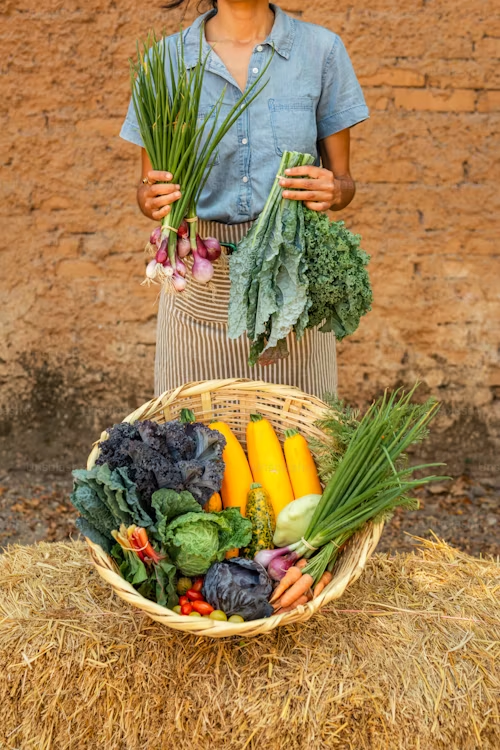
As the popularity of local food sourcing and sustainable agriculture continues to rise, farmers markets are becoming key players in communities nationwide. Planning a successful farmers market involves much more than just setting up stalls and selling products. It requires strategic thinking in areas like market growth, accessibility, vendor empowerment, and professional consulting. This comprehensive guide will explore how to effectively organize and expand a farmers market, ensuring it is a thriving hub of community and culture.
Farmers Market Growth: Strategies for Expanding Your Market
The growth of a farmers market is crucial for its long-term success. Expanding your market can involve increasing the number of vendors, diversifying products offered, and enhancing customer experience. Here's how you can achieve significant growth:
- Develop a Solid Business Plan: Just like any business, a farmers market needs a robust business plan. This should include market analysis, financial forecasting, and marketing strategies.
- Engage with Community: Building strong relationships with local residents, businesses, and community leaders can help attract more visitors and vendors to your market.
- Utilize Social Media: Platforms like Instagram, Facebook, and Twitter are excellent tools for promoting your market, engaging with customers, and attracting new vendors.
- Host Special Events: Organizing events such as festivals, cooking demonstrations, or live music can draw larger crowds and create a vibrant market atmosphere.
In addition to these strategies, understanding the competitive landscape and positioning your market uniquely is crucial. This might involve focusing on organic products, artisan crafts, or providing spaces for food trucks and pop-up restaurants.
Market Accessibility: Ensuring Everyone Can Participate
Accessibility is a critical component of farmers market success. A market that is accessible to all members of the community, including those with disabilities, the elderly, and families with young children, not only fosters inclusivity but also expands the customer base. Here are key considerations to improve market accessibility:
- Physical Layout: Ensure that the market space is navigable for people with mobility issues. This includes wide aisles, ramp access, and clearly marked and reserved parking spaces.
- Transportation Options: Consider the accessibility of public transportation to your market and work with local transit authorities to improve services on market days.
- Payment Options: Offer multiple payment options, including cash, credit cards, and mobile payments. Also, consider participating in governmental assistance programs like SNAP (Supplemental Nutrition Assistance Program) to accommodate low-income shoppers.
- Signage and Communication: Use clear, readable signage throughout the market and train staff and volunteers in basic sign language or other communication strategies to assist customers who are deaf or hard of hearing.
By enhancing accessibility, you not only comply with legal requirements but also promote an inclusive atmosphere that encourages repeat visits and positive word-of-mouth.
Empowering Vendors: Building a Supportive Market Community
Vendors are the heart of any farmers market. Empowering them can lead to enhanced product quality, greater vendor loyalty, and an enriched market atmosphere. Here are effective ways to empower and support your vendors:
- Regular Workshops: Organize training sessions on topics such as customer service, food presentation, and business management. This helps vendors professionalize their services and grow their businesses.
- Feedback Systems: Implement a system for vendors to provide feedback about the market operations. This could be through regular meetings, suggestion boxes, or informal chats.
- Promotional Support: Offer marketing support to vendors through the market’s social media channels, email newsletters, and website. Highlighting individual vendors and their stories can attract more customers to the market.
- Flexible Scheduling: Allow vendors to choose their participation schedule, whether it's full-time, part-time, or seasonal. This flexibility can help vendors balance other jobs or family commitments.
Empowering vendors not only boosts their productivity and sales but also builds a stronger, more committed community around your farmers market.
Farmers Market Consulting: Expert Advice for Market Excellence
For those looking to elevate their farmers market to new heights, professional consulting can be a game-changer. Farmers market consultants offer expert advice and tailored services to improve every aspect of market operation. Here’s how consulting can benefit your market:
- Customized Strategies: Consultants analyze your specific market challenges and opportunities, providing customized strategies for growth and improvement.
- Operational Efficiency: From vendor layout optimizations to traffic flow improvements, consultants can help streamline market operations for better customer and vendor experiences.
- Regulatory Compliance: Navigating the complex web of health codes, permits, and regulations can be daunting. Consultants can provide invaluable guidance to ensure compliance and avoid legal issues.
- Community Engagement: Consultants can assist in crafting effective community outreach strategies to boost market attendance and engagement.
Investing in specialized consulting services can help you overcome obstacles and implement best practices drawn from industry successes across the country. Whether you're starting a new market or looking to improve an existing one, expert advice can pave the way for significant, sustainable growth.
Conclusion
Planning and managing a successful farmers market involves a multifaceted approach encompassing growth strategies, accessibility improvements, vendor empowerment, and professional consulting. By focusing on these key areas, market organizers can create a thriving environment that benefits vendors, customers, and the community at large. Embrace these strategies to transform your farmers market into a bustling hub of commerce, culture, and connectivity.
Whether you're at the initial stages of planning or seeking to expand your market's impact, remember that each step forward contributes to a more sustainable and community-focused world. Farmers markets are more than just places to buy food; they are vibrant community centers that nourish both people and places.