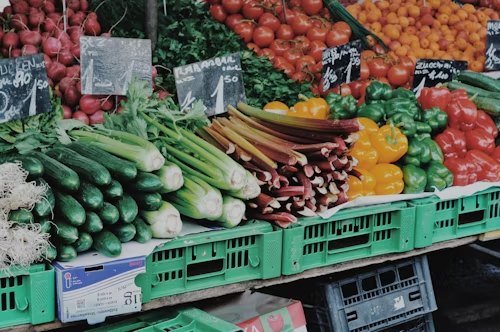
The Rise of Local Produce Sales in Sustainable Markets: A Dive into Organic and Community-Driven Commerce

The trend towards sustainability has revolutionized markets all around the globe, particularly through the burgeoning popularity of local produce sales. This movement is not just about buying and selling fruits and vegetables; it marks a transformative approach to how communities engage with their food sources. Local, organic produce markets are increasingly becoming the nexus of community events, promoting not only healthier lifestyles but also sustainable environmental practices.
Understanding the Popularity of Local Produce Sales
Local produce sales have witnessed a significant upswing in recent years, driven by an increasing consumer awareness of health and environmental issues. These markets offer a plethora of benefits that extend beyond just the nutritional value of the food. They support the local economy, reduce environmental impact, and foster a sense of community. Here’s why local produce sales are gaining momentum:
- Economic Benefits: Money spent on local produce stays within the community, bolstering the local economy and supporting small-scale farmers.
- Freshness and Taste: Produce sourced locally is fresher, having typically been harvested within 24 hours of sale. This not only enhances taste but also preserves nutrients.
- Reduced Carbon Footprint: Local produce doesn’t have to travel far. This significantly reduces carbon dioxide emissions and other pollutants associated with long-distance transportation.
- Support for Local Farmers: Purchasing local produce provides farmers with a better return on their produce and encourages sustainable farming practices.
Organic Produce Market: What Sets It Apart?
While local produce sales thrive, the organic produce market carves out its niche by adhering strictly to certified organic farming methods. Organic markets are especially appealing to consumers interested in chemical-free produce and eco-friendly farming techniques. The distinction of organic produce lies in its method of production, which emphasizes the non-use of synthetic pesticides, herbicides, and fertilizers. The benefits of shopping from an organic produce market include:
- Healthier Choices: Organic produce reduces consumers' exposure to synthetic chemicals and preservatives.
- Environmental Conservation: Organic farming enhances soil fertility and reduces soil erosion, maintaining healthy ecosystems.
- Biodiversity: Organic farms are often more biodiverse, supporting a wider range of plant and animal life.
- Animal Welfare: Organic farming also includes the humane treatment of livestock, where animals are generally allowed to roam freely.
How Sustainable Markets Foster Community Well-being
Sustainable markets are not just about selling eco-friendly products; they are about creating a sustainable community. These markets often serve as central hubs for community events, ranging from educational workshops to local music performances, all of which aim to promote a sustainable lifestyle. Here’s how sustainable markets contribute to community well-being:
- Education and Awareness: Many sustainable markets hold classes and workshops that teach people how to grow their own food or adopt more sustainable living practices.
- Community Engagement: Regular market days encourage community interaction, fostering stronger relationships among residents.
- Cultural Exchange: Markets often feature diverse stalls from different cultural backgrounds, promoting cultural exchange and understanding.
- Health Promotion: By providing access to fresh, healthy food, sustainable markets play a crucial role in promoting overall health in the community.
Impact of Community Events on Organic Produce Markets
Community events held at organic produce markets do more than just provide entertainment. They are pivotal in educating the public about the benefits of organic farming and sustainable living. Events like farm-to-table dinners, organic food festivals, and farmer’s markets workshops help to draw in crowds, increasing exposure for local farmers and vendors. Such events also provide a platform for direct interaction between farmers and consumers, which helps in building trust and loyalty. Examples of successful community engagement through events include:
- Seasonal Festivals: Celebrating the harvest of particular seasons can attract a niche market looking for specific products, such as apple festivals or pumpkin patches.
- Educational Workshops: Workshops on topics like composting, organic gardening, or sustainable cooking practices can enhance consumer knowledge and skills.
- Meet-and-Greet with Farmers: Providing an opportunity for consumers to meet the people behind their food encourages transparency and fosters a deeper connection with the food they consume.
- Cooking Demonstrations: Chefs using products directly from the market to create dishes can inspire attendees to buy and cook similar healthy meals at home.
Conclusion: The Future of Food is Local and Organic
The rise of local produce sales and sustainable markets points towards a more conscious form of consumerism where the origin, quality, and production methods of food are paramount. Organic produce markets and sustainable community events not only support this trend but also enhance community health and global sustainability. As more people turn towards local and organic food sources, these markets are set to become even more integral to our daily lives, reshaping our food systems and fostering a healthier planet.
Embracing local and organic is not just a trend but a lifestyle shift that is gaining momentum across the world. By supporting these markets, consumers contribute to a sustainable ecosystem that benefits all—from the local farmer to the global environment. The future of food is undoubtedly local, organic, and community-focused, promising a healthier, more sustainable world for generations to come.