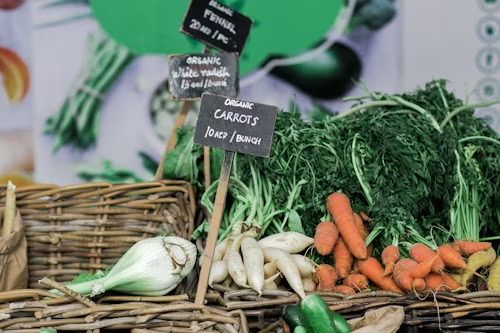
Strengthening Farm-to-Community Ties Through Local Farmers Markets

As cities grow and the distance between farm and table seems to stretch ever farther, the farm-to-community connection becomes increasingly vital. Local farmers markets play a crucial role in bridging this gap, not just by providing fresh produce but by creating a platform where farmers and customers can connect directly. This direct interaction fosters a better understanding of where our food comes from, who grows it, and the environmental and economic benefits of supporting local agriculture.
Understanding the Importance of Farm-to-Community Connections
The concept of farm-to-community embraces more than just the transaction of buying and selling food. It is about building relationships and community networks that support sustainable agriculture. By linking farmers directly with the community, these connections can:
- Enhance the local economy by keeping money within local circles
- Reduce environmental impact due to shorter transport routes
- Improve consumer health with access to fresher, more nutritious produce
- Educate the public about agricultural processes and seasonal cycles
Such benefits highlight why the resurgence and support of local farmers markets are crucial not only for local economies but also for maintaining a sustainable environment.
How Local Farmers Markets Serve as Community Hubs
Local farmers markets are much more than venues for fresh produce. They are vibrant community hubs where people gather, forming bonds and traditions that strengthen community ties. These markets often feature:
- Live music and cultural performances that celebrate local talent
- Workshops and demonstrations that educate on cooking and agriculture
- Special events and festivals that highlight seasonal offerings
Furthermore, these markets provide a platform for new and small-scale farmers to reach customers directly, bypassing the often prohibitive costs of selling through retail stores. This direct selling model not only boosts farmers' profits but also allows them to share their knowledge and passion for agriculture with the community.
Connecting Farmers and Customers: The Mutual Benefits
The interactions at farmers markets go beyond commerce. They foster an informative exchange where customers can learn about sustainable farming practices and where their food originates. This transparency builds trust and loyalty, benefits that are less tangible but incredibly valuable. For farmers, these markets offer:
- Immediate feedback from customers, helping them to improve and adapt their products.
- Opportunities to explain the benefits of their farming practices directly to the end consumer.
- Increased visibility in the community, which can lead to further business opportunities.
From a customer's perspective, shopping at local farmers markets means:
- Access to fresh, often organic produce that is hard to find in supermarkets.
- The chance to support the local economy and contribute to the creation of jobs.
- Engaging in a more ethical consumption model by reducing carbon footprint and packaging waste.
Challenges Faced by Farmers and How Communities Can Help
Despite the benefits, farmers face significant challenges such as unpredictable weather, fluctuating market demands, and the high costs of sustainable farming methods. Communities can support their local farmers by:
- Participating regularly in local farmers markets
- Joining community-supported agriculture (CSA) programs
- Advocating for local and governmental support of small farms
Such actions not only ensure the survival of local farms but also promote a healthier, more sustainable food system.
The Role of Digital Platforms in Enhancing Farm-to-Community Connections
In the digital age, online platforms have become crucial in connecting farmers with local communities. These platforms can:
- Provide farmers with tools to manage their sales, inventory, and customer relationships
- Offer a marketplace where customers can purchase directly from multiple farmers, increasing convenience
- Enable farmers to reach a broader audience, expanding their market beyond local boundaries
By integrating traditional farmers market values with modern technology, these platforms ensure that the farm-to-community connection remains strong, even in urban settings.
Case Studies: Successful Local Farmers Markets Across the Country
Across the United States, several local farmers markets stand out as exemplary models of how community and farmer connectivity can thrive. For instance:
- The Union Square Greenmarket in New York City: This market not only offers a diverse array of local produce but also hosts regular cooking demonstrations by local chefs, emphasizing the connection between local food and gourmet cuisine.
- The Ferry Plaza Farmers Market in San Francisco: Known for its artisanal and sustainable food products, this market serves as a critical educational resource on sustainable agriculture practices.
Each of these markets showcases unique ways in which communities can engage with and support their local farmers, ensuring the longevity and success of farm-to-community connections.
Conclusion: The Future of Farm-to-Community in a Globalized World
As globalization continues to influence our food systems, the importance of sustaining farm-to-community connections cannot be overstated. Local farmers markets play a pivotal role in this dynamic, offering a counterbalance to the mass production and distribution of food. By supporting these markets, communities can maintain not just agricultural diversity and food security, but also a sense of connectedness and community spirit that modern society often lacks.
Investing time, money, and interest in local farmers markets is an investment in the future of food, farmers, and community wellness. Let's strengthen these bonds to ensure a healthier, more connected world.