Strategies for Enhancing Local Agricultural Markets Through Sustainable Food Systems and Farmers Market Support
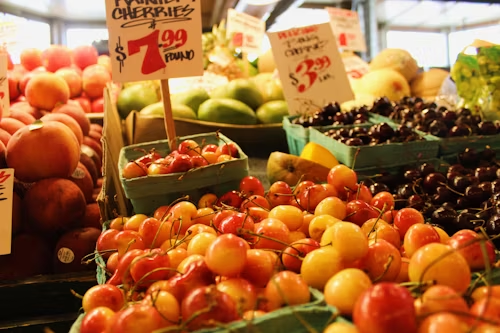
When we talk about revitalizing our local economies and promoting sustainability, farmers markets and local agricultural markets stand at the forefront of this movement. These markets not only serve as essential hubs for fresh produce but also foster community engagement and sustainable agricultural practices. This blog post delves into how planning and support for these markets can transform them into even more robust contributors to local and sustainable food systems.
The Role of Farmers Markets in Sustainable Food Systems
Farmers markets play a pivotal role in creating sustainable food systems that benefit the environment, local economies, and community health. By directly connecting consumers with producers, these markets facilitate shorter supply chains, reducing carbon footprints and packaging waste.
Benefits of Short Supply Chains
Short supply chains are not just a logistical advantage but a core feature of sustainable food systems. Here’s why they matter:
Key Advantages of Shorter Supply Chains
- Reduced Transportation Emissions
- Fresher Produce
- Less Packaging Waste
- Greater Economic Returns to Producers
Each of these points contributes to an environmentally sustainable model that supports local farmers economically and provides consumers with healthier, fresher options.
Planning for Successful Farmers Markets
Effective planning is crucial for the success of farmers markets. It involves not only logistical considerations but also strategic community engagement and vendor support.
Essential Steps in Farmers Market Planning
Here are key steps that help ensure a farmers market can thrive:
Components of Effective Market Planning
- Market Research and Feasibility Studies
- Strategic Location Selection
- Vendor Selection and Support
- Community Engagement and Marketing
Successful market planning incorporates a thorough understanding of the local community's needs, potential market size, and the types of products that will draw consumers, ensuring the market’s long-term viability.
Support Systems for Farmers Markets
Support for farmers markets can come from various sources, including local government, private sponsors, and community organizations. This support is crucial for both the initial setup and ongoing operations of the markets.
Types of Support for Farmers Markets
Effective support mechanisms can significantly enhance the performance and sustainability of farmers markets:
Critical Support Mechanisms for Farmers Markets
- Financial Grants and Funding
- Training and Educational Programs for Vendors
- Marketing and Promotion Assistance
- Infrastructure Development
With adequate support, farmers markets can improve their operational efficiency, attract more vendors and shoppers, and increase their impact on local food systems.
Case Studies: Successful Local Agricultural Markets
Examining the success stories of various local agricultural markets can provide valuable insights into effective strategies and practices.
Lessons from Thriving Farmers Markets
These examples illustrate how diverse approaches and community-specific strategies lead to successful markets:
Examples of Effective Farmers Market Strategies
- Community-driven Planning
- Focus on Sustainability
- Strong Vendor Relationships
- Innovative Marketing Techniques
Such case studies highlight the importance of community involvement, sustainability as a core value, and strong support for vendors, all crucial for the success of farmers markets.
Tags: Sustainable food systems, Farmers market planning, Farmers market support, Farmers market, Local agricultural markets
In conclusion, farmers markets are not just places to buy produce but are pivotal elements of sustainable local food systems. With strategic planning and robust support, these markets can significantly enhance local economies, support sustainable agricultural practices, and foster community wellness. The growth of such markets is indicative of a move towards more sustainable and community-focused food systems, a critical step needed for ecological and social health in the 21st century.