The Strategic Evolution of Farmers Markets: From Simple Stalls to Healthy Food Havens
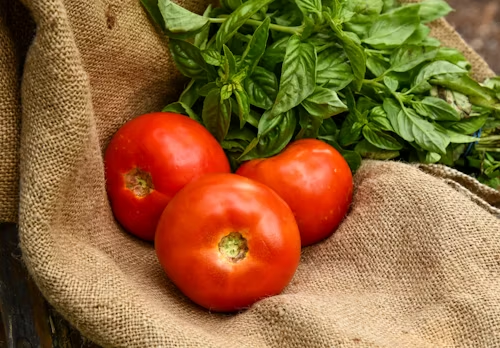
Remember the old "Got Milk?" campaign that cleverly nudged us towards thinking about milk whenever we thought about cookies? Let's play a similar game but with a twist. Every time you think about fresh, locally-sourced produce, think "Got Farmers Market?" This shift in thought isn’t just about clever marketing; it’s about recognizing the critical role farmers markets play in our communities and how effective management can lead to their growth and the proliferation of healthy food markets.
An Overview of Farmers Market Growth
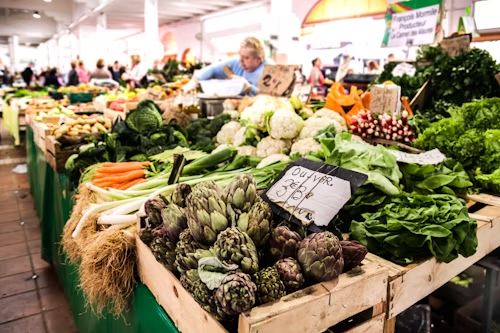
Farmers markets have burgeoned from humble roadside stands to robust community hubs where freshness, variety, and sustainability are the orders of the day. This transformation has not happened by accident. It is the result of meticulous planning and dynamic management strategies that ensure farmers markets not only exist but thrive.
The Importance of Strategic Planning in Farmers Markets
The backbone of any successful farmers market lies in its ability to plan effectively. Just like a farmer meticulously plans crop rotations, market organizers need to strategize everything from vendor selection to customer engagement.
Key Components of Farmers Market Planning
- Vendor Selection: Ensuring a diverse range of products
- Location Analysis: Accessibility and visibility
- Customer Demographics: Understanding the needs of the community
- Seasonal Planning: Adjusting offerings based on the time of year
Each of these components plays a vital role in the overall success of a market. By carefully selecting vendors, for instance, organizers ensure a variety of goods that attract a broad audience, while thoughtful seasonal planning keeps the market relevant year-round.
Effective Management Tactics for Farmers Markets
With solid planning in place, the focus shifts to day-to-day management, which can make or break a farmers market.
Essential Management Strategies
- Community Engagement: Building strong relationships with locals
- Marketing and Promotions: Creative and frequent campaigns
- Vendor Support: Providing training and sales advice
- Sustainability Practices: Encouraging eco-friendly methods
These strategies ensure that the market remains a favored destination for shoppers and a profitable venue for vendors. For example, robust community engagement helps in tailoring the market to meet local needs and fosters a sense of ownership among residents.
Driving the Surge of Healthy Food Markets
As more consumers lean towards health-conscious eating habits, farmers markets stand at the forefront of the healthy food movement. This isn’t just about having organic options available but creating an environment where healthy, sustainable choices are promoted and celebrated.
Integrating Health-Conscious Options
The success of a farmers market today highly depends on its ability to integrate and promote health-conscious options that cater to a knowledgeable consumer base.
Ways to Promote Healthy Eating at Farmers Markets
- Partnering with local nutritionists for workshops
- Hosting cooking demonstrations featuring market ingredients
- Providing recipes and nutritional information at vendor stalls
- Creating a “health trail” for easier navigation of healthy options
These initiatives not only attract health-minded individuals but also educate the public, making the farmers market a focal point in the community for learning about and embracing healthy eating habits.
Measuring the Impact of Healthy Food Markets
The growth of any market can be measured not just in foot traffic and sales figures but also in its impact on community health and sustainability practices.
Metrics for Success in Healthy Food Markets
- Increased vendor retention year-over-year
- Positive feedback through customer surveys and social media
- Growth in the number of educational events hosted
- Expansion in the diversity of health-focused vendors
These metrics help market organizers understand the direct benefits of their focus on healthy options and sustainability, guiding future strategies and improvements.
Tags: Farmers market planning, Farmers market management, Farmers market, Farmers market growth, Healthy food markets
In conclusion, much like how the "Got Milk?" campaign made milk a household staple, effective farmers market planning and management can make these markets essential community assets. By focusing on growth and integrating health-conscious options, farmers markets not only serve as places to shop but also as platforms to educate and influence public health positively. So, next time you think of fresh produce or organic products, remember to ask, "Got Farmers Market?"