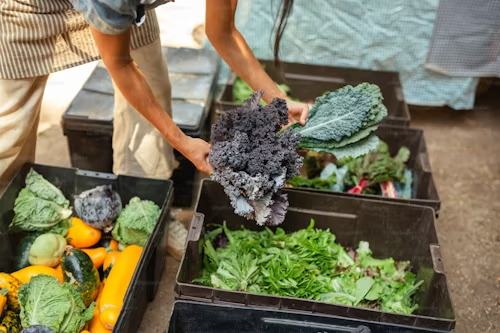
Revitalizing Communities through Farmers Markets: A Deep Dive into Their Impact and Management

Farmers markets are not just vibrant hubs for local food distribution but are also critical in strengthening community bonds, supporting local economies, and providing direct access to fresh, sustainable produce. This detailed exploration into farmers markets will cover aspects like market logistics, the support of local marketplaces, and the overall push towards excellence in farm-to-table markets. These markets are more than just places to shop; they're integral to the fabric of local food systems and community well-being.
The Strategic Importance of Farmers Markets
Farmers markets fulfill multiple roles within a community. They are centers of economic activity, social interaction, and critical venues for the promotion of sustainable agricultural practices. By connecting consumers directly with producers, these markets facilitate a farm-to-table approach that benefits all stakeholders—from the farmer who gains fair compensation to the consumer who enjoys fresh, nutritious food.
- Economic Impact: Farmers markets help keep the economic benefits within the local community. Money spent at these markets circulates within the region, supporting local jobs and businesses.
- Health and Nutrition: They encourage healthy eating by providing access to fresh, locally sourced fruits, vegetables, and other goods that might be absent from traditional retail settings.
- Environmental Sustainability: By reducing the need for long-distance food transportation, these markets decrease carbon footprints and minimize the environmental impact of our food systems.
- Social Connections: Farmers markets serve as community gathering places, fostering relationships and building a sense of community pride and mutual support.
Optimizing Farmers Market Logistics
Efficient management and logistics are the backbones of a successful farmers market. From the layout of vendor stalls to the frequency and timing of the market, every detail matters in creating an accessible and appealing environment for both vendors and shoppers.
- Site Selection: The choice of location can significantly influence the market's success. Ideal locations are accessible, visible, and have sufficient space for vendors and customers alike.
- Vendor Coordination: Effective communication and coordination with vendors ensure a diverse and balanced mix of products, enhancing the market's appeal.
- Customer Access: Convenient parking, clear signage, and easy pedestrian access are crucial in attracting and retaining visitors.
- Technology Integration: Modern farmers markets are increasingly incorporating technology, from digital payment options to online vendor maps and product listings, improving convenience and operational efficiency.
Additionally, regular assessments and feedback mechanisms can help market organizers tweak logistics and operations to better meet the needs of the community and vendors.
Supporting and Sustaining Local Marketplaces
Local marketplace support involves more than just organizing weekly market events. It encompasses a broader strategy aimed at creating a sustainable ecosystem that benefits local producers and consumers in the long run. Effective support strategies include educational programs, marketing and promotion, and financial aid or incentives for new vendors.
- Educational Initiatives: Workshops on topics such as organic farming, customer service, and small business management can equip vendors with the skills needed to succeed.
- Promotional Activities: Robust marketing efforts, including social media outreach, local media partnerships, and event promotions, can increase foot traffic and vendor sales.
- Financial Support: Grants, subsidies, or reduced stall fees for starters can encourage new vendors to join the market, enriching the variety and quality of available products.
Community involvement and volunteer programs also play a crucial role in sustaining these markets by fostering a collaborative spirit and shared ownership of the marketplace’s success.
Striving for Excellence in Farmers Markets
Achieving excellence in farmers markets means continually striving to improve quality, variety, and the overall shopping experience. This commitment to excellence not only attracts a larger number of visitors but also builds a loyal customer base that values and supports the local food economy.
- Quality Control: Implementing standards for product quality and vendor services helps maintain a high level of trust and satisfaction among customers.
- Diverse Offerings: Encouraging a wide range of vendors, including those offering unique or ethnic foods, artisanal products, and organic options, can cater to a broader audience.
- Customer Experience: Regularly incorporating features such as live music, cooking demonstrations, and children’s activities can enhance the market experience, making shopping enjoyable and memorable.
Moreover, gathering and acting on customer feedback ensures that the market remains responsive and adaptive to community needs and preferences.
Transforming Communities Through Farm-to-Table Markets
Farm-to-table markets are more than just economic enterprises; they are transformative forces within communities. They bridge the gap between rural and urban populations, foster a deeper understanding of food origins, and promote healthier, more sustainable living practices.
- Educational Opportunities: These markets often serve as platforms for education about food sources, sustainable practices, and nutritional information, which are vital in making informed eating choices.
- Support for Local Farmers: They provide farmers with a reliable outlet for their products, ensuring stability and encouraging sustainable agricultural practices.
- Community Health Benefits: By offering access to fresh foods, these markets contribute to better overall community health outcomes.
Ultimately, the success of farmers markets hinges on the community’s active participation and ongoing support. By understanding and implementing effective strategies in logistics, community support, and striving for marketplace excellence, farmers markets can thrive as pivotal elements in local food systems and as cornerstones of healthy, vibrant communities.
In conclusion, the multifaceted benefits of farmers markets—from boosting local economies to providing fresh, local produce—make them indispensable in the landscape of modern food consumption. Their continued evolution and success require thoughtful planning, robust support, and a commitment to excellence that resonates through every aspect of their operation.