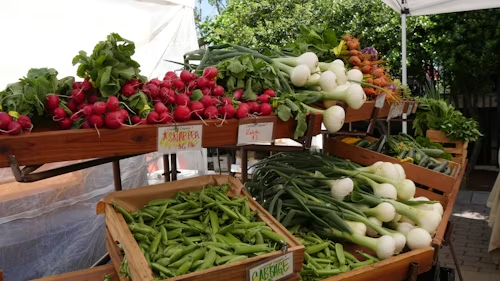
Revitalizing Communities Through Farmers Markets: A Comprehensive Guide

The burgeoning popularity of farmers markets is testament to the vibrant role they play in forging sustainable, community-centered food systems. These markets are not only crucial for empowering local vendors and boosting regional economies, but they also serve as focal points for promoting healthier lifestyles and fostering social interactions within communities. Here, we delve into effective farmers market planning, operations, and strategies for empowering vendors, thereby enhancing the overall vitality of local food markets.
The Importance of Farmers Market Planning
Effective planning is foundational to the success of any farmers market. A well-thought-out plan ensures a cohesive operation, which helps attract and retain vendors and customers alike. Strategic planning can address everything from vendor selection to customer traffic flow, ensuring that the market can serve its community effectively.
- Location Selection: Choosing a strategic location that is accessible and visible can significantly influence the market’s success.
- Vendor Diversity: A variety of vendors offering different products ensures a rich selection that attracts a broader customer base.
- Community Engagement: Involving community members in the planning process can foster a sense of ownership and loyalty to the market.
- Sustainability Practices: Implementing environmentally sustainable practices shows commitment to community health and well-being.
Thorough planning also mitigates potential challenges by establishing clear guidelines for operation, thus ensuring smooth and efficient market days.
Understanding Farmers Market Operations
Running a farmers market involves multiple operational facets, from logistical arrangements to vendor management and customer service. Effective management of these elements ensures that the market operates smoothly and meets the needs of vendors and shoppers.
- Logistical Setup: This includes the physical arrangement of vendor stalls, parking facilities, and signage.
- Vendor Support: Providing vendors with support such as marketing assistance, sales data analysis, and feedback mechanisms can help them thrive.
- Customer Experience: Ensuring a pleasant shopping experience with amenities such as clear signage, clean facilities, and entertainment.
- Regulatory Compliance: Adhering to health and safety regulations is critical for the smooth operation and credibility of the market.
Regular assessment and refinement of these operational components are essential for maintaining an efficient and appealing market.
Empowering Local Vendors
At the heart of every farmers market are the local vendors who bring their goods to the community. Empowering these vendors is crucial for the sustainability and growth of the market. This involves providing them with the tools and knowledge to succeed in a competitive retail environment.
- Education and Training: Workshops on marketing, product presentation, and customer service can greatly enhance a vendor's business skills.
- Financial Assistance: Facilitating access to grants, loans, and financial advice can help vendors grow their businesses and improve their offerings.
- Networking Opportunities: Creating platforms for vendors to share experiences and best practices can lead to improved market strategies and innovations.
- Technology Integration: Encouraging the use of digital tools for inventory, sales tracking, and customer engagement can help vendors optimize their operations.
By empowering vendors, farmers markets not only enhance their market’s appeal but also contribute to the larger goal of building sustainable local economies.
Championing Local Food Markets
Local food markets are invaluable in connecting consumers directly with the source of their food, promoting transparency, and ensuring food freshness. These markets champion the concept of "from farm to table," which supports local agriculture and reduces the carbon footprint associated with long-distance food transportation.
By prioritizing local produce, these markets also help preserve local varieties and indigenous farming techniques, which might otherwise be threatened by large-scale commercial farming practices. Moreover, they provide an essential platform for small farmers and artisans to sustain their livelihoods and crafts.
Case Studies: Successful Farmers Markets
Examining successful farmers markets provides valuable insights into effective practices and strategies. For instance, the Union Square Greenmarket in New York City has thrived by maintaining a strong focus on vendor diversity and community engagement. They also host regular cooking demonstrations and composting workshops, adding educational value that attracts diverse groups of people.
Similarly, the Portland Farmers Market in Oregon has set a high standard with its robust vendor support programs that include educational workshops for sustainable farming practices and a transparent communication channel between vendors and market management. Such initiatives ensure that the market remains a dynamic and evolving part of the community.
Conclusion: Building Stronger Communities Through Farmers Markets
Farmers markets play a pivotal role in enhancing local food security, supporting local businesses, and contributing to the cultural and social vitality of communities. Through meticulous planning, operational efficiency, and vendor empowerment, these markets not only serve as essential economic hubs but also as gathering spaces that foster community spirit. By supporting your local farmers market, you contribute to a sustainable future and enjoy the richness of locally produced food and products. Embrace your local market and experience the benefits it brings to your community first hand.
Whether you are a shopper, a local vendor, or a market organizer, understanding and participating in the dynamic ecosystem of a farmers market can be incredibly rewarding. Let's continue to nurture and support these vital community resources for a healthier, more connected world.