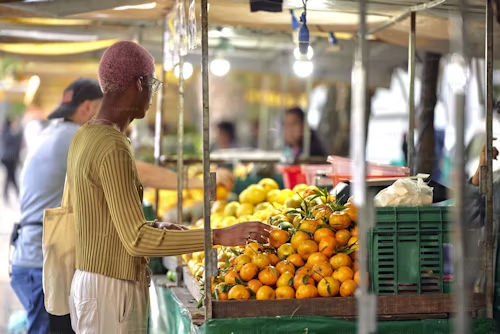
Mastering the Art of Farmers Market Planning: A Guide to Empowering Vendors and Enhancing Market Days

Planning and organizing a farmers market can be as enriching as it is challenging. It's a unique venture where community, culture, and local agriculture intertwine to create vibrant, sustainable marketplaces. For anyone looking to start or improve a farm-to-table market, understanding the essentials of market planning and vendor empowerment is key. This in-depth guide will walk you through every aspect of farmers market planning, from the initial concept to the bustling market day, ensuring both vendors and customers leave satisfied.
Understanding the Basics of Farmers Market Planning
At its core, farmers market planning involves a series of strategic steps designed to create a thriving marketplace that benefits local farmers, vendors, and the community. This process requires careful consideration of various elements, including location selection, vendor management, marketing strategies, and community engagement.
- Location Selection: Choosing the right location is crucial. It should be accessible, visible, and large enough to accommodate vendors and shoppers comfortably.
- Vendor Selection: A diverse mix of vendors offering fresh produce, artisanal goods, and unique local products can draw a wide audience.
- Marketing and Promotion: Effective marketing strategies ensure the market reaches the intended audience and continues to attract new visitors.
- Community Engagement: Involving community stakeholders and incorporating feedback can help tailor the market to local needs and preferences.
By meticulously planning each of these facets, organizers can establish a robust framework for a successful farm-to-table market.
The Role of Empowering Vendors in Market Success
Vendors are the heartbeat of any farmers market. Empowering them not only boosts their individual success but also enhances the overall market atmosphere, attracting more visitors and fostering a sense of community. Here are some effective strategies for empowering vendors:
- Provide Training and Resources: Offering workshops on customer service, marketing, and product display can help vendors maximize their market potential.
- Encourage Innovation: Creating an environment that encourages vendors to introduce new and unique products can keep the market dynamic and interesting.
- Offer Competitive Pricing and Fees: Reasonable stall fees and pricing guidelines can make markets accessible to a wider range of vendors, increasing diversity and choice.
- Regular Feedback: Implementing a system for regular feedback allows vendors to express concerns and suggest improvements, fostering a collaborative atmosphere.
Empowering vendors not only helps in their growth but also in building a loyal customer base that appreciates the quality and variety of the market offerings.
Effective Market Day Planning for Farm-to-Table Markets
Market day is the culmination of all the planning efforts. It's the day when everything comes together, and vendors get to showcase their products to eager customers. Effective market day planning is crucial for a smooth operation and can greatly impact the overall success of the market.
- Logistics Management: This includes setting up vendor stalls, ensuring proper signage is in place, and managing parking and traffic flow.
- Vendor Coordination: Keeping vendors informed about schedules, policies, and any last-minute changes is vital for a well-organized market day.
- Customer Experience: Creating a welcoming and enjoyable environment for shoppers can make a significant difference. This might include live music, cooking demonstrations, or kids’ activities.
- Emergency Preparedness: Having a plan for handling unexpected situations such as bad weather or medical emergencies ensures safety and continuity.
Every successful market day boosts the market's reputation, encouraging repeat visits and word-of-mouth promotion.
Marketing Strategies for Attracting Customers to Farm-to-Table Markets
Effective marketing is vital for attracting and retaining customers. Here are some strategies specifically tailored for farm-to-table markets:
- Utilize Social Media: Platforms like Instagram and Facebook are perfect for showcasing the fresh produce and vibrant atmosphere of the market. Regular posts and live videos on market days can engage a broader audience.
- Local Partnerships: Collaborating with local businesses and organizations can help reach more people and even sponsor events or activities at the market.
- Email Newsletters: Regular updates about upcoming market days, featured vendors, and seasonal produce can keep the market in the minds of locals.
- Community Involvement: Hosting community events or participating in local festivals can increase visibility and draw crowds.
By adopting these marketing tactics, farmers markets can enhance their visibility and appeal, attracting a steady flow of customers eager for quality, locally-sourced products.
Measuring Success and Adapting Strategies
Tracking the success of a farmers market is key to its sustainability and growth. Metrics such as vendor sales volumes, customer foot traffic, and social media engagement can provide valuable insights. Regular surveys and feedback from vendors and customers also offer qualitative data that can guide future improvements. Adapting strategies based on these findings helps markets stay relevant and responsive to changing needs and trends.
By continuously evaluating performance and adapting strategies, farmers markets can thrive and continue to serve as essential community hubs. Whether it’s through empowering vendors, careful day-of planning, or innovative marketing strategies, the effort put into enhancing a farmers market can yield significant rewards for all involved.
In conclusion, successful farmers market planning involves a comprehensive approach that includes solid preparation, vendor empowerment, effective marketing, and continuous improvement based on feedback. By focusing on these areas, organizers can create vibrant, sustainable markets that benefit everyone from local farmers to the community at large.