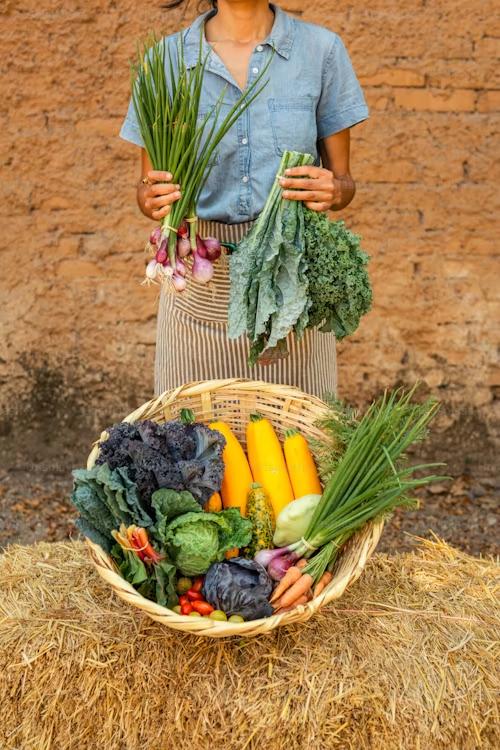
Mastering Market Day: Strategies for Sustainable Success

Market days are vibrant, community-oriented events that bring together local vendors, fresh produce, and eager customers. As these markets grow in popularity, effective planning and sustainable practices become paramount for their success and longevity. In this comprehensive guide, we'll explore some key strategies in market day planning, sustainable market practices, vendor recruitment, and boosting local produce sales.
Understanding Market Day Planning
Effective market day planning is crucial for the smooth operation of market events. It involves several components from logistics to vendor management, each requiring careful consideration and strategy. Here’s what you need to know to set up a successful market day.
- Site Selection: Choose a location that is accessible, visible, and spacious enough to accommodate vendors and attendees comfortably.
- Vendor Layout: Plan the layout to ensure a flow that minimizes congestion and maximizes exposure for all vendors.
- Timing and Frequency: Decide on the frequency of the market (weekly, bi-weekly, monthly) and its duration, considering peak times for customer turnout.
- Permits and Insurance: Obtain all necessary permits and insurance to ensure compliance with local laws and regulations.
- Facilities and Amenities: Provide basic amenities like parking, toilets, and possibly, entertainment zones to enhance the market experience.
Each of these elements requires detailed attention and coordination, ensuring that your market day runs as smoothly as possible, creating an enjoyable atmosphere for both vendors and visitors.
Embracing Sustainable Market Practices
Sustainable markets are not just beneficial for the environment; they also foster community goodwill and can draw in a crowd that values ethical practices. Here’s how market organizers can promote sustainability:
- Waste Management: Implement recycling stations and encourage vendors to use biodegradable or reusable packaging.
- Energy Conservation: Use solar panels or other renewable energy sources to power the market’s electrical needs.
- Local and Organic: Prioritize vendors who offer locally sourced and organic products, reducing the carbon footprint associated with transportation.
- Eco-Friendly Transportation: Promote eco-friendly transportation options to and from the market, such as biking, public transport, or carpooling.
- Education and Community Involvement: Hold workshops or talks on sustainability topics, engaging the community in environmental stewardship.
By adopting these practices, market organizers can significantly reduce the environmental impact of their events and appeal to a broader audience concerned with sustainability.
Vendor Recruitment: Building Your Market Community
The success of a market greatly depends on its vendors. Effective vendor recruitment is essential to creating a diverse and appealing market. Here are strategies to attract and retain the best vendors:
- Market Research: Understand what products your audience wants and recruit vendors accordingly to fill these niches.
- Incentives: Offer early sign-up discounts, loyalty benefits, and other incentives to attract quality vendors.
- Supportive Environment: Provide vendors with support such as promotional tools, setup assistance, and regular feedback sessions.
- Community Engagement: Encourage vendors to participate in community events and activities, helping them to build a bond with local customers.
- Digital Presence: Utilize social media and an effective website to reach potential vendors who align with the market’s values and offerings.
With a strong focus on building a supportive and engaging environment, you can create a loyal and diverse vendor base which is crucial for the market’s growth and sustainability.
Boosting Local Produce Sales
Local produce sales are at the heart of many markets. They not only support local farmers and reduce carbon footprints but also offer fresh, nutritious options to the community. Here are effective strategies to enhance local produce sales:
- Education: Educate your customers on the benefits of buying local, including freshness, taste, and the support of local economies.
- Visibility: Position local produce vendors in prominent spots to enhance their visibility.
- Promotions: Run promotions such as discounts, loyalty programs, or bundled offers to encourage purchases.
- Events: Organize events like cooking demonstrations or farm visits to create excitement around local produce.
- Collaborations: Encourage collaborations between local produce vendors and other market vendors to create new, unique offerings.
By implementing these strategies, you can significantly increase the appeal and sales of local produce at your market, benefiting both local producers and consumers.
In conclusion, planning and running a successful market involves a blend of detailed logistics, sustainable practices, strategic vendor recruitment, and a focus on boosting local produce sales. By adopting these strategies, market organizers can ensure their markets not only thrive but also contribute positively to their communities and the environment. Whether you are a seasoned market organizer or planning your first market day, these insights will help you create a more sustainable, vibrant, and successful market experience for everyone involved.