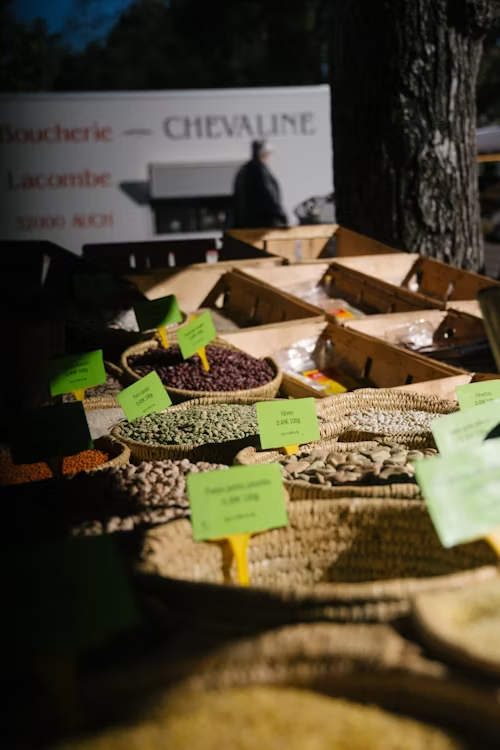
Mastering Farmers Market Success: Innovative Strategies for Promotion, Planning, and Community Engagement
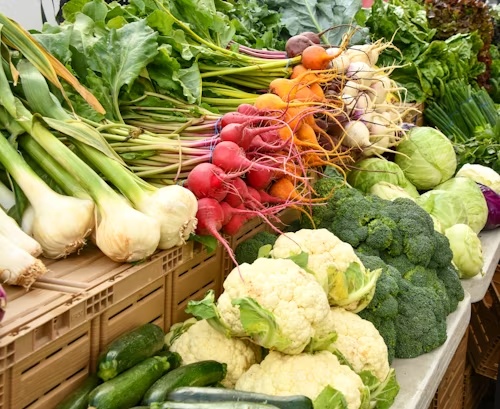
Farmers markets serve as crucial hubs for local agriculture, enabling farmers to directly connect with consumers while revitalizing community spaces. Successfully managing a farmers market involves meticulous planning, strategic promotion, and a focus on providing an exceptional market experience for both vendors and visitors. This comprehensive guide delves into effective strategies for enhancing farmers market experiences through focused promotion, event planning, and the integration of organic produce offerings.
Essential Steps in Farmers Market Planning
Planning is the backbone of a successful farmers market. It involves various strategic and logistical considerations that ensure the market operates smoothly and meets the expectations of participants and visitors alike. Here’s how to create a solid foundation for your community farmers market:
- Establish Clear Objectives: Define what your farmers market aims to achieve. Are you focusing on boosting local agriculture, providing healthy food options, or creating a community gathering place? Setting clear goals helps guide all other planning aspects.
- Choose the Right Location: Select a site that is accessible, visible, and suitable for setting up multiple vendor stalls. Consider factors like parking availability, foot traffic, and local zoning laws.
- Vendor Selection: Curate a diverse group of vendors not only limited to farmers but also artisans, ready-to-eat food sellers, and local crafters to attract a wider audience.
- Regular Scheduling: Consistency is key. Having a regular schedule, such as every Saturday morning, makes it easier for customers to remember and plan their visits.
- Obtain Necessary Permits and Insurance: Ensure all legal requirements are met including permits for food sales, liability insurance, and health inspections if applicable.
Strategies for Effective Farmers Market Promotion
Effective promotion is crucial to attract both vendors and shoppers to your farmers market. Utilizing a mix of traditional and digital marketing strategies can maximize your outreach and engagement. Here are proven promotional tactics for your market:
- Social Media Campaigns: Leverage platforms like Facebook, Instagram, and Twitter to create buzz. Regular posts, live videos from the market, and featured stories of vendors can keep the audience engaged.
- Local Media Partnerships: Collaborate with local newspapers, radio stations, and TV channels to feature your market. These partnerships can provide broader coverage and attract more visitors.
- Email Newsletters: Keep your community informed and excited about upcoming market days, special events, and new vendor highlights through a regularly distributed email newsletter.
- Community Collaboration: Partner with local schools, non-profits, and businesses to sponsor events or activities at the market, enhancing visibility across different community sectors.
- Signage and Flyers: Invest in eye-catching signage at key community points and distribute flyers in local shops, cafes, and community centers.
Incorporating Organic Produce into Your Market
Organic produce is increasingly sought after by consumers looking for healthier food options. Integrating an organic produce sector in your farmers market not only caters to this demand but also helps in attracting a niche demographic focused on health and sustainability. Here are tips to effectively incorporate organic offerings:
- Strict Vendor Criteria: Establish criteria that define what qualifies as 'organic' and ensure all participating vendors meet these standards.
- Education and Signage: Educate both vendors and consumers about the benefits of organic produce and use clear signage to differentiate organic products from conventional ones at the market.
- Offer Certifications: Work with local agricultural boards to offer or facilitate organic certification for your vendors, adding credibility and authenticity.
- Create Organic-Only Sections: Designate areas of your market specifically for organic vendors to make it easier for consumers to find what they’re looking for.
Enhancing Market Experiences for Visitors
To retain visitors and turn them into regulars, your farmers market must offer more than just shopping. Enhancing the overall market experience can significantly contribute to its popularity and success. Consider these strategies:
- Engaging Activities: Organize live music performances, cooking demos, and workshops to engage visitors of all ages.
- Comfort and Accessibility: Ensure that the market space is accessible to everyone, including ample parking, restroom facilities, and shaded rest areas.
- Customer Loyalty Programs: Implement loyalty programs that reward regular visitors with discounts, special offers, or first-hand information on events.
- Interactive Experiences: Set up 'Meet the Farmer' sessions where consumers can learn about where their food comes from, farming practices, and more.
Building Community Support for Your Farmers Market
A community farmers market thrives on local support. Building strong relationships with local residents, businesses, and institutions is vital. Here’s how to cultivate and maintain community support:
- Community Involvement: Encourage local community groups to participate in the market, whether through booths, educational outreach, or sponsorships.
- Feedback Systems: Implement systems for feedback where community members can suggest improvements or express concerns, making them feel involved in the market’s evolution.
- Highlight Local Talent: Feature local artisans and performers, giving them a platform to showcase their talents while adding to the market’s local flavor.
In conclusion, a successful farmers market requires careful planning, effective promotion, and a commitment to creating an engaging and community-friendly environment. By focusing on these key areas, market organizers can ensure their market not only survives but thrives, becoming an indispensable part of the local community.