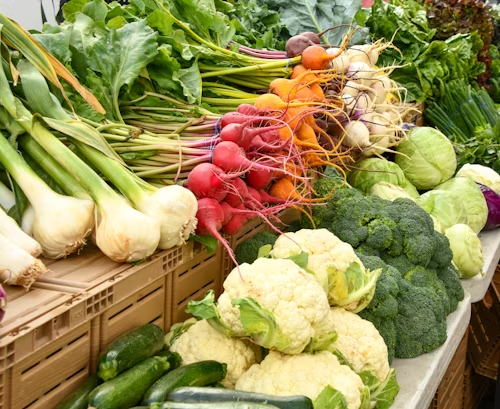
How to Enhance Your Farmers Market Experience for Better Accessibility and Support

Welcome to a hands-on guide on enhancing the accessibility and support of farmers markets, ensuring every visitor leaves satisfied and every vendor achieves their potential. As an entrepreneur with a strong focus on innovation and systems optimization, I've seen firsthand how small adjustments can create significant impacts. Today, I'll walk you through tangible strategies and personal insights to make any farmers market more engaging, accessible, and successful.
Understanding the Importance of Farmers Markets
Farmers markets are more than just venues to buy farm-fresh produce; they are vital for supporting local agriculture, fostering community relationships, and promoting sustainable practices. They serve as critical economic engines in local communities, providing small farmers and artisans a platform to sell their goods directly to consumers.
However, managing a farmers market and enhancing its experience can be challenging. Issues like vendor diversity, customer access, and overall market atmosphere must be addressed to ensure its success and sustainability.
Key Components for a Successful Farmers Market
- Vendor diversity: A range of products from fresh produce to artisan goods
- Customer accessibility: Easy access for all, including ample parking and ADA compliance
- Engaging atmosphere: Live music, workshops, and food demonstrations
- Efficient layout: Intuitive arrangement that facilitates foot traffic and interaction
- Strong community ties: Collaboration with local businesses and organizations
Ensuring these elements are in place can dramatically enhance the market's appeal and functionality.
Strategies to Enhance Market Accessibility
Accessibility is crucial for inviting a broader audience and ensuring that everyone, regardless of physical ability or socioeconomic status, can enjoy the market. Here’s how you can make your local farmers market more accessible:
Improving Physical and Economic Accessibility
- Implement clear signage and wheelchair-accessible routes.
- Introduce incentive programs like discounts or loyalty rewards for repeat customers.
- Offer multiple payment options, including EBT/SNAP.
- Host markets at times that are convenient for a wide range of people, including evenings or weekends.
These steps not only boost inclusivity but also potentially increase market foot traffic and vendor sales.
Boosting Farmers Market Experience through Technology
As a full-stack programmer and someone who champions AI and automation, I believe technology can significantly improve the management and experience of farmers markets. Here’s what can be done:
Technological Enhancements for Market Management
- Use of an app to provide real-time information on vendor locations and product availability.
- QR codes at stalls for easy access to vendor details, farming practices, and product information.
- Automated systems for quick and efficient vendor setup and breakdown processes.
- Social media and digital marketing to enhance market visibility and customer engagement.
Adopting these technologies not only eases operations but also enriches the customer experience, making markets more appealing to a tech-savvy generation.
Personal Insights on Market Enhancement
In my experience, the key to a thriving farmers market lies not just in what you offer but how you offer it. Emphasizing a community-focused approach that values both vendor and visitor experiences is crucial.
Focusing on creating a welcoming atmosphere, where people are excited to visit and linger, can transform a standard market day into a community highlight. This includes everything from kids’ play areas to live cooking demos that showcase the produce available on that day.Conclusion
Enhancing the accessibility and experience of farmers markets isn’t just about bringing in more customers or making more sales—it’s about creating a vibrant, sustainable community hub that supports local agriculture and crafts. By focusing on accessibility, leveraging technology, and fostering a welcoming atmosphere, we can ensure that these vital institutions continue to thrive and serve communities well into the future.
What strategies have you seen or implemented that have effectively improved your local farmers market?