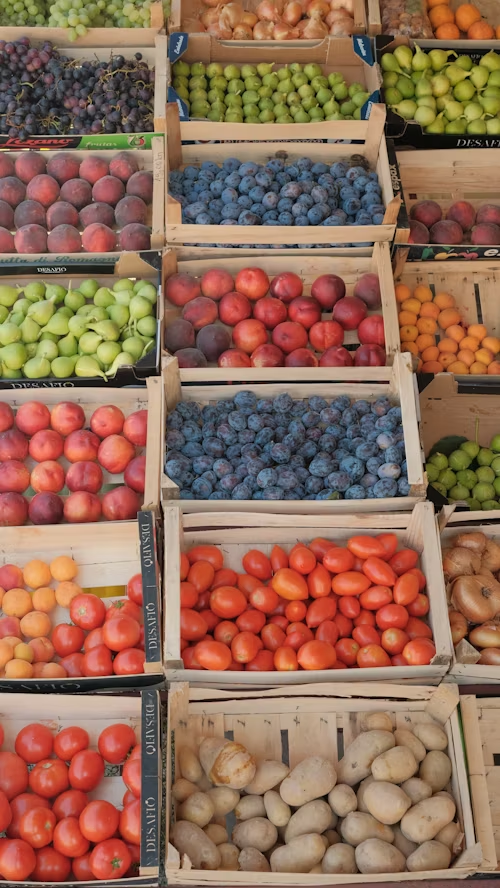
How to Build Market Day Success Through Smart Logistics and Vendor Support

Every Saturday morning I walk the aisles of my local farmers market, watching vendors set up their stalls, customers scan fresh produce, and the whole operation run like a well‑tuned machine. But behind that smooth surface lies a complex web of logistics, metrics, and support systems that determine whether a market thrives or flounders. In this expert roundtable I’ll share practical tactics—drawn from my own experience running multiple markets and consulting with farmers—to help you achieve consistent Market day success, scale Farmers market growth, and build a resilient Market organization.
1. Defining Clear Success Metrics for Every Market Day
Success starts with measurement. I’ve found that the most reliable indicators are simple yet actionable:
Key Performance Indicators (KPIs)
- Foot Traffic Count: Total visitors per day.
- Vendor Sales Volume: Aggregate sales and average transaction size.
- Customer Satisfaction Score: Post‑market survey rating.
- Vendor Retention Rate: Percentage of vendors returning month over month.
By tracking these KPIs weekly, I can identify trends—such as a surge in foot traffic during a community event—and adjust logistics or marketing accordingly. The single most important KPI is vendor sales volume; when vendors see consistent revenue, the entire market ecosystem stabilizes.
To make these metrics truly actionable, consider implementing a lightweight data collection system that blends manual and digital methods:
- Manual counters at entry points can provide an instant foot‑traffic snapshot, while QR‑code check‑ins on vendor stalls capture customer dwell time and repeat visits.
- POS integration across all vendors allows real‑time sales aggregation; a simple spreadsheet or cloud dashboard can then calculate average transaction sizes within minutes of closing.
- Use post‑market surveys delivered via SMS or email to gather customer sentiment, and tie that data back to specific stalls or product categories for targeted feedback loops.
When you have a clear baseline, it becomes easier to set realistic goals—such as increasing foot traffic by 10 % each quarter—or to pinpoint where a sudden dip might signal an underlying issue like insufficient signage or a vendor shortage.
2. Streamlining Market Logistics for Predictable Flow
The heart of any successful farmers market is its logistics engine: how vendors arrive, set up, and depart without bottlenecks. Below are the core components I focus on:
Vendor Coordination
In my experience, a shared digital calendar that sends automated reminders to vendors reduces no‑shows by 35 %.
- Pre‑market briefing via group chat.
- Standardized arrival times and stall assignments.
- Real‑time communication channel for emergencies.
Enhancing this system with a vendor onboarding packet—which includes layout drawings, local regulations, and a quick‑start guide to the POS app—can reduce setup time by up to 15 %. Vendors who know exactly where they will be positioned feel less anxious and can focus on product presentation from the first minute.
Stall Layout Design
Optimizing the physical layout reduces congestion:
- Dedicated pathways with clear signage.
- Buffer zones between stalls to prevent spillover of produce and equipment.
- Central trash and recycling stations to keep aisles clear.
A well‑planned traffic flow diagram—created using simple grid software or even a printed map—helps vendors visualize where they should place high‑visibility items. For example, placing the most popular fruit near the main entrance encourages early traffic, while bulkier goods can be positioned deeper to avoid blocking foot traffic.
Inventory Flow Management
Ensuring that high‑traffic items are stocked near the entrance boosts sales:
- Rotate seasonal products based on forecasted demand.
- Use barcode scanners for real‑time stock updates.
- Implement a “last‑minute restock” protocol for popular items.
Pairing inventory management with a restocking checklist that vendors fill out at the end of each day ensures continuity next week. When a vendor notices that a particular item is consistently sold out, they can pre‑order more or swap it for an alternate product that might resonate better with the market’s demographic.
3. Catalyzing Farmers Market Growth Through Community Engagement
Growth is not merely about adding more stalls; it’s about building a community that values local food and sustainable practices.
Community‑Based Marketing Initiatives
- Host weekly cooking demos featuring vendor produce.
- Create a loyalty program with reward tiers for frequent shoppers.
- Partner with nearby schools for educational field trips.
- Leverage local influencers to showcase the market’s unique offerings.
These tactics create repeat foot traffic and elevate the market’s profile in the wider region. The most effective growth lever is a well‑executed loyalty program that turns first‑time buyers into regular patrons.
A robust community strategy also includes seasonal festivals, such as harvest celebrations or “farm-to-table” nights, which provide additional touchpoints for engagement. By collaborating with local artisans—chefs, bakers, and even potters—you can diversify the experience beyond produce sales and attract niche audiences.
Marketing should always be data‑driven. Track how many participants attend each event, measure social media reach, and solicit feedback through post‑event surveys. This information informs future programming decisions: if a particular demo draws larger crowds, you might schedule it more frequently or invite a new vendor to lead the session.
4. Providing Robust Support for Farmers and Vendors
A thriving market depends on empowered vendors who have the tools, knowledge, and confidence to succeed. I’ve built several support programs based on what works in practice:
Training Workshops
- Financial literacy: pricing strategies and cost control.
- Marketing basics: social media setup and email newsletters.
- Product quality: proper handling, storage, and labeling.
To increase participation, schedule workshops at convenient times—such as early Saturday mornings before market day or during a mid‑week “vendor night.” Offer recorded sessions for those who cannot attend live, ensuring that every vendor has access to the same learning resources.
Technology Integration
In my experience, a simple point‑of‑sale (POS) app synced with the market’s inventory system cuts transaction time by 20 %.
- Mobile POS for on‑site sales and receipt printing.
- Cloud‑based inventory dashboards accessible to all vendors.
- Integrated payment solutions supporting credit cards, mobile wallets, and cash.
Beyond the basics, consider adding a vendor portal where participants can view their own performance metrics, download sales reports, or request maintenance support. This transparency builds trust and encourages vendors to stay engaged with the market’s operational ecosystem.
Financial Assistance & Grants
Link vendors with local grant programs or cooperative purchasing agreements to lower overhead costs. This support translates directly into higher vendor retention.
Establish a small vendor assistance fund—financed through a modest surcharge on stall fees—that can be used for emergency repairs, marketing materials, or bulk purchases of essential supplies. By pooling resources, vendors feel less financially vulnerable and more invested in the market’s long‑term success.
5. Building a Scalable Market Organization for Long‑Term Stability
As markets grow, governance and infrastructure become critical. Below is a pragmatic framework I recommend:
Governance Structure
- Establish a board comprising vendor representatives, community leaders, and an operations manager.
- Define clear roles: Market Director (overall strategy), Logistics Lead, Vendor Relations Officer, Marketing Coordinator.
- Hold quarterly reviews to assess KPIs and adjust policies.
Implementing a charter document that outlines mission, values, and decision‑making processes ensures that all stakeholders share a common vision. Regular board meetings foster accountability and provide a forum for collaborative problem solving.
Digital Presence & Data Analytics
- Create a dedicated website with vendor directories, event calendars, and e‑commerce options.
- Deploy analytics tools (Google Analytics, POS data) to track visitor behavior and sales patterns.
- Use insights to refine marketing campaigns and vendor onboarding criteria.
A responsive mobile site is essential, as many shoppers use smartphones to browse vendor lists or check for special offers. Integrate a simple online ordering system that allows customers to pre‑purchase items—especially high‑value goods like artisanal cheeses or fresh baked bread—and pick them up during market hours, thereby increasing sales volume and reducing waste.
Partnerships & Sponsorships
- Collaborate with local farms for exclusive product lines.
- Secure sponsorships from eco‑friendly brands that align with market values.
- Partner with transportation services to offer shuttle options during peak periods.
Strategic partnerships also provide opportunities for cross‑promotion. For example, a nearby café might feature a “market day special” menu item sourced directly from the stalls, creating a win‑win scenario that benefits both the café and the vendor.
Conclusion: Turning Insight Into Action
The path to Market day success is clear when you break it down into measurable KPIs, streamlined logistics, community‑driven growth strategies, comprehensive vendor support, and a robust organizational framework. By implementing these tactics—many of which I’ve tested across multiple markets—you can elevate both the customer experience and vendor profitability.
What specific metric do you track most closely to gauge your market’s health, and how has that data guided your recent operational decisions?