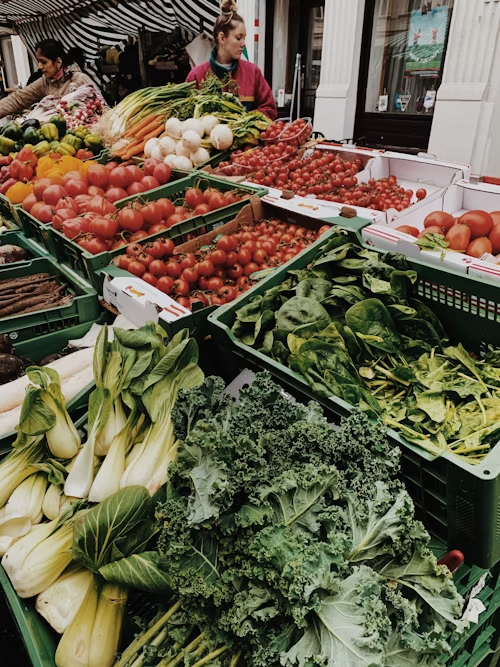
How Local Marketplace Support Is the Real "Help!" for Farmers Market Success

Just like The Beatles famously called out for "Help!" in their hit single, local farmers markets are often in need of the same - a shout for support but in the form of local community involvement and vendor empowerment. Drawing a parallel to the iconic band might seem a stretch, but think about it: every successful entity, from rock bands to retailers, thrives on a strong support system.
Understanding the Impact of Local Marketplace Support
Before diving deeper into how local marketplace support can transform farmers markets, it’s crucial to grasp the full scope of what this support entails. Essentially, it revolves around creating a community-driven environment where local producers and artisans can thrive.
The Role of Community Involvement
Community involvement is the backbone of market success. It’s not just about consumers buying products; it’s about creating an interactive ecosystem that benefits everyone involved.
Key Components of Community Involvement
- Regular patronage from local residents
- Community events held at the market
- Workshops and educational sessions on nutrition and local produce
- Volunteer opportunities for market setup and operation
Each component helps to forge a stronger bond between the market and the community, much like fans felt a personal connection to The Beatles through their engaging performances and distinctive style.
Empowering Vendors for a Flourishing Market
Empowerment is crucial in any field, and farmers markets are no different. When vendors are supported and empowered, the whole market flourishes.
Strategies for Empowering Vendors
- Providing training on best business practices
- Offering platforms for vendors to share their stories and products online
- Creating opportunities for feedback and dialogue between vendors and market organizers
- Implementing fair pricing strategies that benefit both vendors and buyers
These strategies ensure vendors feel valued and supported, enhancing their commitment to the market and community.
Success Stories from Local Farmers Markets
Across the globe, many markets have harnessed local support to achieve success. These stories not only inspire but also offer practical models that others can emulate.
Case Studies of Thriving Local Markets
Examining specific cases helps underline the tangible benefits of strong local support systems at farmers markets.
Examples of Successful Local Farmers Markets
- Market A in City B: Increased vendor profits by 50% through community-led initiatives.
- Market C in City D: Achieved zero waste status with the help of local environmental groups.
- Market E in City F: Doubled their visitor numbers by hosting monthly cultural events.
- Market G in City H: Improved vendor diversity, featuring products from over 30 different cultures.
These examples not only showcase the varied benefits of local marketplace support but also demonstrate how diverse these benefits can be, from economic gains to environmental sustainability.
Implementing Effective Support Strategies
To replicate the success seen in some dynamic markets, it's essential to adopt strategic measures that encourage local marketplace support.
Blueprint for Boosting Local Farmers Market Support
Creating a structured approach to enhancing market support can lead to significant improvements in both vendor satisfaction and consumer participation.
Steps to Enhance Local Support
- Engage with local businesses for sponsorship and partnership opportunities.
- Utilize social media platforms to create buzz and foster community interaction.
- Organize regular feedback sessions with vendors and customers to refine strategies.
- Introduce loyalty programs for regular customers to increase repeat visits.
By following these steps, markets can create a robust support framework that propels them towards sustainable success.
As these tags highlight, the pillars of thriving local farmers markets are deeply interconnected. Supporting local markets is not just about economic transactions; it’s about building a community and empowering individuals, much like The Beatles' music did for their global audience.
Tags: Local marketplace support, Local farmers market, Empowering vendors, Farmers market success
In conclusion, just as The Beatles needed their fans, local farmers markets need their communities. By fostering an environment of support and empowerment, these markets can not only survive but thrive, crafting success stories as legendary as those of The Beatles in the world of music.