
How Does Effective Farmers Market Management Connect Communities and Promote Healthy Eating?
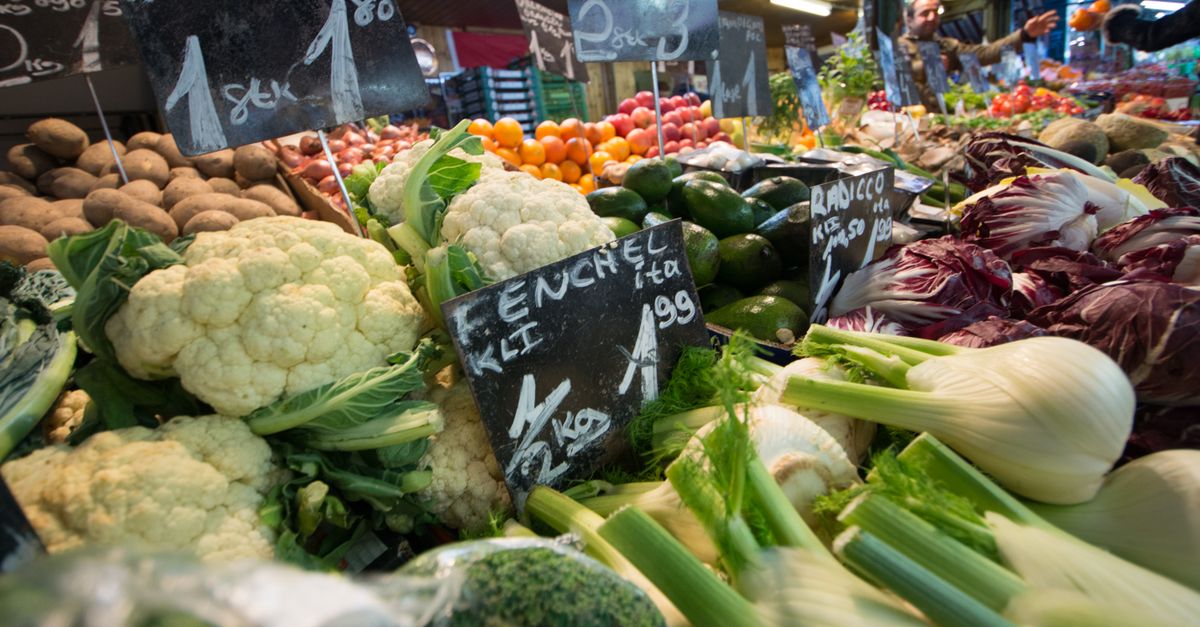
Farmers markets are hubs where local farmers, consumers, and community members interact, learn, and support one another. As someone who has built systems that bring people together—whether through tech start‑ups or community events—I’ve seen how the right management practices can transform a simple market into a thriving ecosystem that promotes healthy eating and strengthens neighborhood ties.
1. The Role of a Farmers Market Manager in Building Community
A manager stitches vendors, customers, volunteers, and stakeholders into one cohesive network. Beyond setting up stalls, the manager curates an environment where trust, transparency, and shared purpose flourish. Clear communication and consistent standards create a market that feels safe and welcoming to everyone.
2. Core Functions of Farmers Market Management
Effective management hinges on four pillars: vendor selection & support, scheduling & logistics, marketing & outreach, and financial oversight. Each pillar feeds into the others, creating a feedback loop that keeps the market running smoothly.
Vendor Selection & Support
- Define criteria for product quality, sustainability practices, and local sourcing.
- Offer onboarding workshops on health regulations, pricing strategies, and customer engagement.
- Create a vendor portal for sales tracking, inventory alerts, and feedback forms.
- Encourage cross‑vendor collaboration such as shared composting programs.
Managers should assess each vendor’s potential to contribute to community resilience by evaluating crop diversification plans, seasonal swaps, and surplus sharing with food banks. A mentorship program pairs seasoned farmers with newcomers, accelerating knowledge transfer and fostering belonging.
Scheduling & Logistics
- Develop a rotating schedule that balances high‑traffic days with quieter slots for fair exposure.
- Coordinate permits, parking, and sanitation services with city officials.
- Establish clear signage and layout plans to guide foot traffic efficiently.
- Implement a digital reservation system to reduce stall space conflicts.
A robust schedule includes weather contingencies—shifting from outdoor stalls to covered tents or notifying attendees via SMS. Volunteer coordination assigns staff to manage gates, waste collection, and information desks, ensuring smooth flow on busy days. Foot‑traffic patterns can be optimized by placing high‑demand items near entrances and grouping complementary products.
Marketing & Outreach
- Create a brand identity that reflects community values (e.g., “Harvesting Health in [Town Name]”).
- Utilize social media, local newsletters, and school partnerships to spread awareness.
- Host themed events—crop‑specific markets or seasonal festivals—to attract diverse crowds.
- Track engagement metrics (attendance, repeat customers) to refine outreach tactics.
Seasonal branding such as a “Summer Berry Bash” draws attention and aligns marketing with produce on offer. Collaborating with local media outlets extends reach beyond social networks, tapping into established audiences. Storytelling—short videos of farmers explaining planting schedules or customer testimonials—humanizes the market experience. A content calendar schedules posts in advance for consistent engagement.
Financial Oversight
- Set transparent vendor fees and collect them through an automated system.
- Maintain a budget covering operational costs, marketing, and contingency funds.
- Provide vendors with regular financial reports to plan growth.
- Explore sponsorships or grants to subsidize community initiatives.
Fee structures should consider vendor size and product type, using a sliding scale that encourages diversity. Automating collections via mobile payment platforms reduces overhead and offers real‑time revenue tracking. A contingency line in the budget covers unexpected expenses such as emergency repairs or additional sanitation during health crises, fostering shared investment in sustainability.
3. Connecting Farmers and Customers
Bridging producers and shoppers is where a market’s social value shines. Trust is built through transparency, shared knowledge, and mutual respect.
Building Trust Through Transparency
- Display clear labeling of product origins, organic certifications, and farm practices.
- Offer farmers opportunities to share stories or conduct live demos during market hours.
- Publish a monthly “Farmers Spotlight” newsletter highlighting each vendor’s journey.
- Encourage feedback loops—both positive and constructive—from customers back to vendors.
QR codes on produce bags let shoppers scan for detailed information, including farm of origin, harvesting date, and recipe ideas. Live demos, such as salsa‑making with fresh tomatoes, create memorable interactions that reinforce product value.
Educational Programming
- Organize cooking classes or recipe demos using market produce.
- Collaborate with local schools for field trips teaching agriculture.
- Host Q&A sessions where consumers ask farmers about soil health, pest control, and seasonal cycles.
- Develop a “Kids Grow” corner where children plant seeds and learn basic horticulture.
A “Harvest to Table” workshop series invites participants to follow a crop from seed to plate, providing actionable skills for home or community gardens. School partnerships extend the market’s reach into classrooms with guided tours, hands‑on seed planting, and interactive discussions on nutrition and sustainability, cultivating future generations who value local food systems.
4. Promoting Healthy Food Markets
A market’s primary mission is to supply nutritious foods that are affordable and accessible. By focusing on education, seasonal sourcing, and community partnerships, managers can elevate the health impact of their markets.
Nutritional Education & Partnerships
- Partner with local dietitians or nutritionists for free consultations during market days.
- Create informational placards explaining benefits of each produce item (e.g., vitamin content).
- Establish a “Healthy Choice” badge for vendors meeting specific nutritional criteria.
- Host seasonal workshops on meal planning and budgeting with fresh ingredients.
A rotating panel of nutrition experts can conduct brief “nutrient spotlight” sessions, discussing the health benefits of a particular fruit or vegetable. These micro‑talks educate while adding eventfulness that encourages repeat attendance.
Seasonal & Local Sourcing
- Map crop calendars to showcase what’s in season and encourage local eating.
- Offer a “Farmers’ Forecast” weekly email highlighting upcoming produce.
- Encourage farmers to diversify crops, reducing reliance on single commodities.
- Provide incentives for vendors incorporating under‑represented produce (e.g., heirloom tomatoes).
A publicly displayed crop calendar serves as both a visual guide and storytelling canvas. Aligning the market layout with seasonal peaks—placing zucchini near the entrance during summer, for example—nudges consumers toward fresh options that match dietary goals.
5. Common Pitfalls and How to Avoid Them
Even well‑planned markets can stumble if challenges are overlooked. Below are typical mistakes and practical countermeasures.
- Inconsistent Vendor Standards: Implement strict onboarding and regular compliance checks.
- Poor Foot Traffic Flow: Use analytics to monitor crowd patterns and adjust stall layouts.
- Lack of Community Engagement: Schedule themed events (festivals, talks) that draw non‑regular visitors.
- Financial Mismanagement: Maintain a transparent budgeting system with quarterly reviews.
A market that fails to enforce stall cleanliness may see a decline in repeat customers; an audit schedule ensures high standards without friction. Foot traffic bottlenecks arise when popular items cluster near one entrance—rotating stalls or adding signage distributes flow more evenly. Themed events, such as “Kids’ Market Day” with face painting and storytelling, invite families who might otherwise skip market visits. Financial oversight requires accurate record‑keeping and proactive communication about revenue streams, cost sharing for shared resources, and grant opportunities that offset operating expenses.
6. Leveraging Technology & Data for Market Success
The digital age offers tools to streamline operations, enhance customer experience, and drive growth—from mobile apps that let shoppers scan QR codes for product info to dashboards revealing sales trends, technology can elevate a farmers market into a smart ecosystem.
Digital Tools for Vendors
- Online inventory management systems reduce manual errors and enable real‑time updates.
- POS integrations with mobile wallets simplify transactions for vendors and buyers.
- Analytics dashboards help farmers identify best‑selling items and adjust production accordingly.
An integrated POS system syncing sales data to a cloud platform lets vendors monitor revenue per product in real time, enabling quick inventory adjustments such as ordering more peaches when demand spikes or reducing overstocked cucumbers before spoilage.
Customer Engagement Platforms
- SMS or push notifications alert shoppers to daily specials, weather updates, or event changes.
- Digital loyalty programs reward repeat visits with discounts or exclusive offers.
- Social media feeds showcase behind‑the‑scenes content that builds belonging.
A simple SMS subscription service sends reminders about upcoming market days and highlights featured items. Pairing this with a loyalty app—where shoppers collect stamps for each purchase—encourages regular visits and fosters brand loyalty.
Sustainability & Data Transparency
- Publish carbon footprints or waste reduction metrics to educate and inspire participants.
- Use data to identify opportunities for composting, rainwater harvesting, or renewable energy at the market site.
- Share success stories through community newsletters to reinforce collective impact.
Tracking waste streams—such as packaging discarded each week—allows managers to set concrete reduction goals and implement a compost bin program. Publicly sharing progress builds accountability and motivates vendors and shoppers to adopt greener practices.
Key takeaway: A well‑structured farmers market is a living system where clear management practices, community engagement, and technology converge to create healthier eating habits and stronger neighborhood bonds.What specific challenges have you encountered when trying to align vendor standards with community health goals, and how did you address them?


