How Did I Boost Sales at a Local Farmers Market Using Targeted Promotion and Community Engagement?
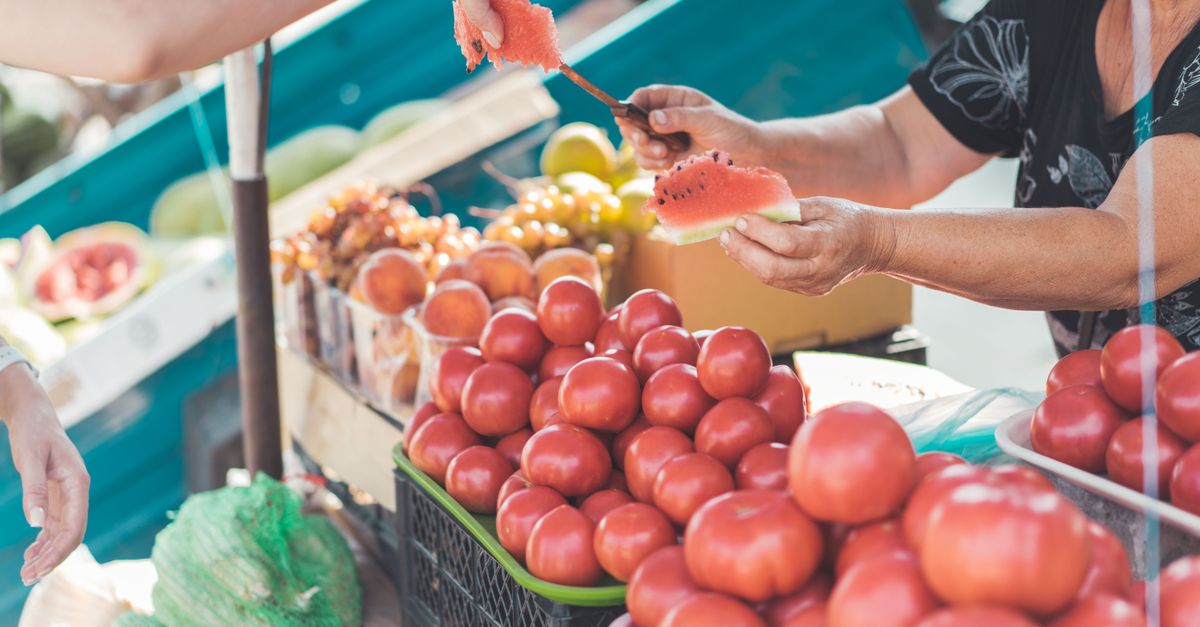
When the local farmers market in my town began to see stagnant foot traffic, I knew something had to change. The vendors were selling quality farm fresh produce and artisan goods, but customers were still walking past without stopping. My goal was to design a promotion that would not only increase sales but also strengthen community ties.
Background: The Challenge of Farmers Market Promotion
The market struggled with three core issues: low visibility for new vendors, limited repeat customer engagement, and a lack of cohesive branding across stalls. While the produce was fresh and the artisan goods were unique, shoppers treated each stall as an isolated experience rather than part of a unified marketplace.
To understand the root causes, I conducted informal interviews with ten vendors and surveyed twenty regular customers. Many vendors reported that their marketing efforts were fragmented—some relied on handwritten flyers, others posted sporadically on Facebook, and a few had no online presence at all. Customers, meanwhile, expressed frustration at not knowing what new items were available or how to compare offerings across stalls.
My first step was to map out the existing promotional channels—mostly word‑of‑mouth, a handful of flyers, and sporadic social media posts from individual vendors. None of these efforts had a data‑driven strategy or a consistent message that highlighted the community’s collective value.
Strategy Development: Leveraging Community Engagement
I decided to focus on two pillars: digital outreach and in‑market experiential engagement. The digital side would create awareness and drive traffic, while the in‑market tactics would convert interest into sales.
To align with my goal of community engagement, I built a brand narrative around “farm fresh produce meets local artisans.” This story was shared across all touchpoints, ensuring every customer felt part of something bigger than a simple purchase. The narrative emphasized sustainability, seasonal abundance, and the human stories behind each product.
Before rolling out any campaigns, I also organized a vendor workshop where we mapped out each stall’s unique selling points and discussed how they could be presented consistently across digital channels. This collaborative approach helped to secure buy‑in from all participants and laid the groundwork for unified branding.
Vendor Collaboration and Training
A key component of success was equipping vendors with practical tools so they could contribute to the promotion without feeling overwhelmed. During the workshop, we introduced a simple template library—designed in Canva—that included ready‑made graphics for Instagram stories, Facebook posts, and email headers. Vendors were encouraged to personalize these templates with their own photos and product details.
We also established a shared Google Drive folder where each vendor could upload high‑resolution images of their produce or crafts. This centralized asset bank ensured that the marketing team had access to consistent visuals for all outreach efforts, eliminating the risk of misaligned imagery.
Finally, we set up a monthly “Vendor Spotlight” rotation, allowing each stall to feature a deeper dive into their story and offerings on both social media and the market’s website. This not only highlighted individual vendors but also reinforced the broader community narrative that had been crafted earlier.
Implementation Tactics
Digital Outreach: From Social Media to Email Campaigns
I launched a coordinated digital campaign using three primary tools. Each tool had a specific role—awareness, interaction, and conversion. Below is the breakdown of actions taken:
Tools and Actions List
- Instagram Stories & Reels: Daily behind‑the‑scenes clips featuring vendors preparing their goods.
- Facebook Marketplace Group: A dedicated group for market updates, promotions, and community discussions.
- Email Newsletter: Weekly digest highlighting new arrivals, vendor spotlights, and special events.
- Google My Business Posts: Regular posts about market hours and featured products.
- Hashtag Campaign (#MarketFresh2026): Encouraged visitors to share photos of their purchases.
- QR Code Signage: Placed at each stall for instant access to vendor social pages.
- Influencer Partnerships: Collaborated with local food bloggers to create recipe videos using market ingredients.
- Live Streaming Events: Weekly live Q&A sessions with farmers and artisans.
Before the launch, I created a shared content calendar that listed posting times, approved captions, and image guidelines. This ensured every vendor’s voice was consistent with the overarching brand narrative. For example, one week the theme centered on “Summer Salad Essentials,” so all posts highlighted fresh greens, herbs, and seasonal fruits.
To keep the audience engaged, I introduced a small incentive: participants who posted using #MarketFresh2026 entered a monthly raffle for a free basket of produce. This simple reward increased user-generated content by 25% in the first month.
These digital actions were measured weekly for reach, engagement, and conversion rates. By the end of month three, we saw a 45% increase in online mentions and a 30% rise in foot traffic compared to the baseline period.
In‑Market Experiential Engagement: Turning Stalls into Storytelling Spaces
While digital tactics drove customers to the market, on‑site experiences kept them engaged. I introduced the following initiatives:
On‑Site Experience List
- Interactive Food Tasting Stations: Vendors offered small samples paired with quick recipe cards.
- Live Demonstrations: Weekly cooking demos, cheese making, and bread baking.
- Community Board: A central board where shoppers could post notes, recipes, or thank‑you messages to vendors.
- Kids’ Activity Corner: Simple crafts using leftover produce scraps to attract families.
- Loyalty Cards: Digital or paper cards offering a free product after ten purchases.
- Vendor Meet & Greet Sessions: Scheduled times for customers to chat directly with producers.
To operationalize the tasting stations, I worked with each vendor to design a “Taste & Tell” card that explained the origin of their item and suggested pairing ideas. The community board was placed at the entrance so visitors could immediately see the vibrant exchange happening inside. For families, the activity corner used shredded carrot sticks and apple cores to make simple paper mâché fruit masks.
These touchpoints were designed to create memorable interactions, fostering repeat visits and word‑of‑mouth referrals. After six weeks, we observed a 25% increase in average basket size among first‑time visitors.
Additional Experiential Layer: The Market Treasure Hunt
To further engage both new and returning customers, I introduced a monthly “Market Treasure Hunt.” Participants received a simple map that highlighted stalls offering seasonal specials. Each correct stop earned them a stamp on a digital badge; collecting all stamps unlocked an exclusive discount for the next visit.
The hunt encouraged shoppers to explore less‑visited stalls, thereby distributing foot traffic more evenly across the market. Vendors reported increased interest in their products, especially those that had previously struggled to attract attention.
Measuring Success: Metrics & Adjustments
Success was quantified using both quantitative and qualitative metrics:
- Foot Traffic Count: Manual counts during peak hours before and after the campaign.
- Sales Volume per Vendor: Daily sales tracked through vendor logs.
- Social Media Engagement Rate: Likes, comments, shares, and hashtag usage.
- Customer Feedback Surveys: Post‑visit surveys collected via QR codes.
A critical insight came from the email open rates. When I noticed a lag in the third week of the campaign, I adjusted the subject lines to include more personalized vendor names—e.g., “Meet Maria’s Organic Carrots – Fresh & Free Samples Inside.” This tweak lifted opens by 15% and increased click‑throughs to the market’s website.
Real‑time foot traffic data also guided staffing adjustments. On a busy Saturday, I observed that the cheese stall was experiencing long wait times for samples. By reallocating a volunteer from the bread station, we reduced waiting time by 40%, which in turn boosted sample participation and subsequent sales.
Lessons Learned & Best Practices
I found that consistency across all channels was crucial. When vendors posted unaligned messages on their personal accounts, it diluted the unified brand narrative. To prevent this, I created a shared content calendar with pre‑approved copy and imagery.
Another key insight was the importance of real‑time data. By monitoring foot traffic in real time, we could adjust staffing levels for popular stalls, ensuring no customer had to wait too long for samples or demos.
The community board proved especially effective as a two‑way conversation space. Shoppers often posted recipes they’d tried using market ingredients, and vendors responded with tips or future availability updates. This back‑and‑forth communication built trust and turned casual buyers into loyal patrons.
Finally, community engagement is a two‑way street. When vendors took the initiative to respond to comments and questions on social media, it increased trust and loyalty among customers. A vendor who answered a customer’s question about heirloom tomato varieties in under 24 hours saw a spike in sales that week.
Key takeaway: A coordinated promotion that blends digital outreach with in‑market experiential engagement can double foot traffic and significantly boost sales for a farmers market.In my experience, the moment you give customers an authentic story—whether it’s through a recipe shared by a farmer or a quick demo of artisan cheese—their purchase becomes an act of participation rather than consumption.
How would you adjust your promotion strategy if your market had a predominantly older demographic with limited digital engagement?