How Can Seasonal Farmers Markets Drive Healthy Food Market Success?
I’ve observed the rise of locally sourced produce and healthier eating over the past decade. The key question is how seasonal farmers markets can become central to this movement. In this interview‑style Q&A, I’ll outline practical steps, common pitfalls, and proven tactics for turning a weekend market into a thriving healthy food hub.
1. Why Seasonal Farmers Markets Matter for Healthy Food Markets
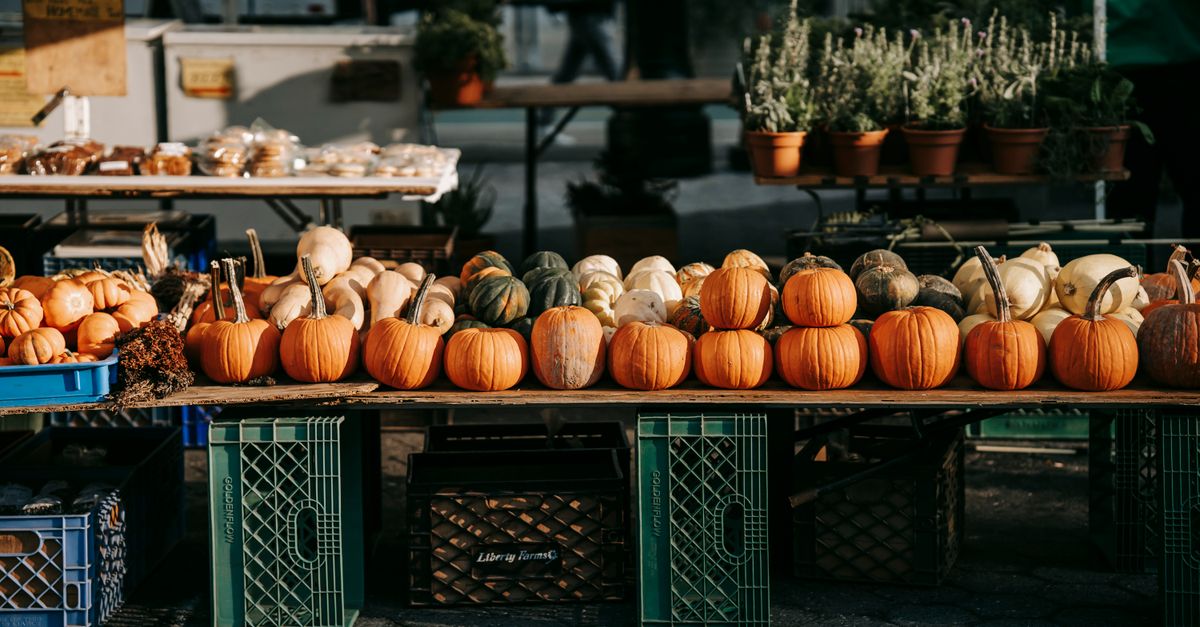
Seasonal farmers markets provide two key benefits: fresh, nutrient‑dense foods straight from growers and a community hub that promotes healthier choices. Operating on a seasonal schedule—spring greens, summer berries, fall squash—maximizes product quality and encourages repeat visits.
Key Benefits for Consumers
- Immediate access to vitamin‑rich produce
- Lower carbon footprint from reduced transport
- Transparency about sourcing and practices
- Seasonal recipes that match nutrition science
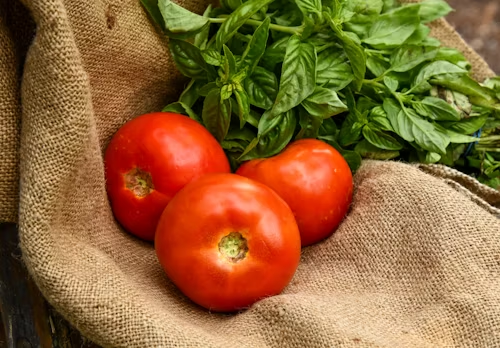
These benefits lead to tangible health outcomes; for instance, buying tomatoes at peak harvest can raise lycopene intake by 15–20% versus store‑bought. Shopping also prompts families to try new produce.
Business Advantages
- Reduced inventory risk—vendors sell on the day of harvest
- Lower storage costs than supermarkets
- Strong brand loyalty from community shoppers
- Data collection via digital ticketing or loyalty programs
From a vendor’s view, “sell as you harvest” eliminates warehousing and cuts spoilage. Organizers can use data on peak days, product preferences, and demographics to target marketing and select vendors for future seasons.
Seasonal farmers markets excel because they combine freshness with community engagement, creating a virtuous cycle of repeat customers and vendor trust.2. Building the Framework for a Successful Farmers Market
Before you open the gates, map out the foundational elements that sustain long‑term success. Think of it as setting up the operating system before installing applications.
Site Selection and Layout
- Accessibility: Close to transit and parking reduces friction.
- Infrastructure: Reliable electricity, water, and waste disposal are essential.
- Zoning compliance: Verify street‑closure permits and health regulations.
Also plan foot‑traffic flow. A central walkway with clear signage for categories like “Vegetables,” “Fruits,” or “Bakery” guides visitors and reduces congestion. Seating or shaded corners extend dwell time and encourage impulse buys.
Vendor Recruitment Strategy
The first 20 vendors set the market’s tone. Focus on growers who can supply a full season and are willing to collaborate on marketing. Use a vetting questionnaire that covers production methods, pricing, and sustainability.
Vendor Onboarding Checklist
- Produce inventory list (seasonal forecast)
- Pricing structure and payment terms
- Health & safety certifications
- Marketing cooperation agreement (social media cross‑promotion)
- Stall layout preferences and equipment needs
End onboarding with a brief orientation where vendors learn the market’s brand voice, operational expectations, and community standards. A digital handbook with sample stall setups ensures visual cohesion.
Operational Timeline
- Pre‑season: secure permits, finalize contracts, design signage.
- During season: weekly inventory checks, marketing pushes, and community events.
- Post‑season: gather feedback, reconcile finances, plan the next cycle.
Schedule a mid‑week vendor check‑in to address supply chain disruptions—weather, pests—and adjust messaging.
3. Vendor Relationships: The Heart of Market Success
A market thrives when vendors feel valued and customers trust product quality. Building that relationship blends clear communication with shared vision.
Communication Cadence
- Monthly roundtables for performance and trends.
- Real‑time messaging (Slack/WhatsApp) for urgent updates.
- Quarterly analytics reports on foot traffic, sales, and demographics.
Document these touchpoints in a shared calendar so all parties know when to expect updates. A “Weather Alert” channel can feed local forecasts that vendors use to adjust harvest plans or prepare for cancellations.
Shared Marketing Initiatives
Partner with vendors on joint social media campaigns featuring recipe videos. Keep messaging authentic—focus on storytelling rather than hype. Align product tags with consumer values, labeling items as “No‑Pesticide” or “Organic Certified” when verified.
Vendor Collaboration Ideas
- Cross‑promotional discounts.
- Co‑hosted cooking classes or tastings.
- Seasonal subscription boxes delivered locally.
- Email marketing data sharing.
Offer tiered pricing—basic, premium, farm‑to‑table—with recipe cards. This diversifies revenue and deepens loyalty by giving customers convenient access to seasonal produce year‑round.
4. Marketing and Community Engagement Strategies
Even the best stalls need visibility. The goal is to move beyond passive foot traffic into active participation.
Digital Presence
- Mobile‑friendly website with calendar and vendor profiles.
- Geofencing ads for locals within 10 miles on market days.
- Instagram Reels of “farm‑to‑table” moments.
A blog that posts weekly recipes, vendor spotlights, and nutrition tips positions the market as a healthy eating authority while keeping visitors engaged between seasons.
Local Partnerships
Partner with gyms, yoga studios, and schools for bundled wellness packages—e.g., gym discount plus a market tote. Cross‑promotion on newsletters and social media strengthens the health narrative.
Community Engagement Tactics
- Kids’ art contests displayed in lobby.
- “Ask a Farmer” Q&A during peak hours.
- Seasonal festivals like pumpkin carving or strawberry picking.
- Volunteer ambassadors guiding first‑time shoppers and gathering feedback.
An interactive tasting booth lets visitors sample heirloom varieties, reducing purchase hesitation. Pair this with signage that explains each item’s health benefits to reinforce the market’s mission.
5. Logistics, Operations, and Technology Solutions
Operational efficiency determines whether a market can scale without compromising quality.
Inventory Management Software
A cloud spreadsheet works for small markets; larger ones benefit from systems that sync vendor sales with inventory alerts. Look for features like real‑time stock tracking, automated reorder notifications, and sales dashboards.
Sustainability Practices
- Reusable or compostable tableware.
- Central waste station with clear signage.
- Solar lighting for evening markets.
Provide a dedicated compost bin next to each stall labeled “Plant Material Only” to reduce landfill contributions. Solar panels on the canopy can offset electricity usage by 30–40%, yielding savings over several years.
Payment Systems
- Mobile POS apps linked to vendor accounts.
- QR code payment links in vendor signage.
- Prepaid market passes that customers load with cash or digital credit.
A prepaid pass system encourages repeat visits; users receive a small discount on their first purchase when they top up at the entrance, creating an incentive loop between the market and its vendors.
6. Measuring Success and Scaling Up
Success metrics should cover financial performance, community impact, and operational efficiency.
Key Performance Indicators (KPIs)
- Average daily sales per vendor.
- Customer footfall & repeat rate.
- Vendor churn (return rate).
- NPS from surveys.
Tracking across seasons reveals patterns—sales spikes at festivals or dips during bad weather—and informs strategy. A balanced scorecard that includes both financial and experiential metrics ensures growth doesn’t compromise core values.
Scaling Strategies
- Open additional seasonal markets nearby.
- Convert the model to pop‑ups for festivals and corporate events.
- Create an online marketplace for home delivery.
Each expansion route requires careful resource allocation. A pop‑up needs portable stalls, permits, and targeted marketing; an online platform demands e‑commerce infrastructure but can reach a broader audience while keeping vendors’ physical presence minimal.
Most sustainable growth comes from preserving freshness, community, and transparency while adding services that align with those values. Listening to vendors and customers ensures the market evolves into a trusted local brand in the food ecosystem.
What seasonal product do you think has the highest potential to boost foot traffic at a farmers market?