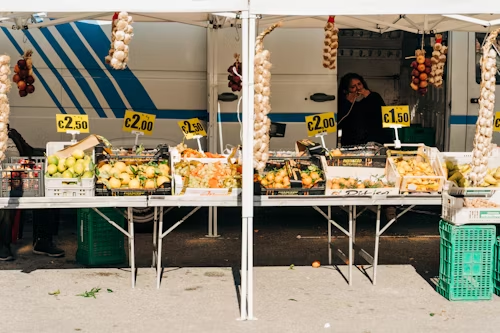
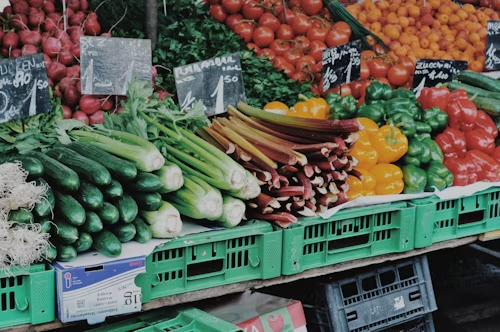
How can local markets build stronger farm‑to‑community connections in 2026?
In 2026, the demand for fresh, locally sourced food continues to rise. Consumers are more conscious about where their produce comes from and how it reaches them. If you’re a city official, farmer, or community organizer looking to strengthen local agricultural markets, this article outlines practical steps, key elements, and common pitfalls that will help your market thrive.
Understanding the Need for Local Market Organization
The success of any healthy food market hinges on solid organization. A well‑structured market reduces waste, improves farmer satisfaction, and delivers reliable quality to shoppers. When I first helped launch a pop‑up farmers’ market in Las Vegas, we saw that even small logistical tweaks—like staggered vendor hours or clear signage—could double customer visits.
Benefits of Proper Market Organization
- Predictable Supply Chains: Vendors know when to bring produce, reducing spoilage.
- Improved Customer Experience: Consistent layout and hours create trust.
- Data Collection: Structured sales data informs future planning.
- Community Engagement: Regular events foster belonging.
- Scalability: A repeatable model eases expansion to new locations.
Treating market organization as the backbone of your operation sets the stage for sustainable growth and stronger farm‑to‑community ties. Predictable schedules encourage farmers to invest in higher quality crops, confident their produce will reach consumers without unnecessary delays.
Key Elements of a Successful Farm-to-Community Connection
Creating a bridge between farmers and consumers requires more than just a stall. It demands thoughtful infrastructure, clear communication channels, and shared goals. Below are six core elements that underpin thriving local agricultural markets.
Essential Components for Market Success
- Unified Vendor Agreements: Standard contracts outlining expectations, fees, and sustainability practices, including product quality standards, stall responsibilities, and dispute resolution.
- Centralized Logistics Hub: A shared storage or distribution point streamlining deliveries, where vendors can check inventory, conduct safety inspections, and coordinate pickups with transport partners.
- Digital Marketplace Platform: An app or website for pre‑orders and real‑time vendor updates, featuring personalized alerts, recipe suggestions, and seasonal availability.
- Community Advisory Board: Representatives from farmers, shoppers, and local businesses guiding decisions, reviewing performance data, proposing initiatives, and ensuring responsiveness to community needs.
- Marketing Cohesion: A joint brand highlighting local stories and seasonal produce, with consistent signage, social media, and promotional materials that build trust and a memorable identity.
- Continuous Education Programs: Workshops on nutrition, cooking, and farm practices for both vendors and consumers—such as “Seasonal Cooking with Local Ingredients” or “Farm‑to‑Table Nutrition Basics”—turning the market into an educational hub.
Implementing these elements fosters trust, transparency, and a shared vision. When every stakeholder knows their role and expectations, friction is minimized and collaboration flourishes.
Practical Steps to Build and Organize Your Local Market
Transitioning from idea to reality involves concrete actions. Below is an eight‑step roadmap covering everything from initial research to launch day execution.
Step-by-Step Guide for Building a Local Market
- Conduct Community Needs Assessment: Survey residents and farmers via online forms, town hall meetings, and focus groups to identify gaps in supply, price points, and desired services.
- Secure a Strategic Location: Choose an accessible site with ample parking, pedestrian flow, and proximity to residential areas. Existing infrastructure such as bus stops or bike racks encourages sustainable travel.
- Create a Business Plan: Outline revenue streams (vendor fees, sponsorships, events), projected costs, and break‑even analysis. Include contingency plans for seasonal fluctuations and unexpected expenses.
- Develop Vendor Outreach Program: Use local agricultural associations, social media, and direct mail to recruit diverse growers. Highlight benefits like exposure to a dedicated customer base, marketing support, and potential long‑term contracts.
- Establish Operational Policies: Set standards for product quality, stall layout, waste management, and safety protocols. Provide vendors with a clear manual covering food handling certifications and cleaning schedules.
- Implement a Digital Ordering System: Offer pre‑orders or subscription boxes tied to your physical market schedule. Ensure the system is mobile‑friendly and integrates with local payment processors for seamless transactions.
- Launch Marketing Campaign: Leverage local influencers, community newsletters, and QR code signage to generate buzz. Create a teaser video featuring farmers discussing their produce’s journey from field to table.
- Run Pilot Events: Test the model with a limited number of vendors, gather feedback before scaling, and refine logistics, pricing structures, and marketing messages for future expansion.
Following these steps systematically minimizes risk and creates a repeatable framework that adapts to growth or market shifts. Each phase builds on the previous one, ensuring a solid foundation before adding new layers of complexity.
Common Pitfalls and How to Avoid Them
Even seasoned organizers stumble on certain missteps. Recognizing them early saves time, money, and relationships.
Top Five Market Organization Mistakes
- Underestimating Logistics: Failing to plan for timely deliveries leads to spoilage and vendor dissatisfaction. Establish a clear delivery schedule with buffer times for weather or traffic delays.
- Lack of Vendor Support: Ignoring farmers’ needs—such as storage or marketing assistance—reduces participation. Offer shared cold‑storage units, co‑branded packaging options, or bundled advertising packages to add value.
- Inconsistent Pricing Structures: Variable fees create confusion and can deter both vendors and shoppers. Publish a transparent fee schedule that accounts for stall size, location, and duration of participation.
- Neglecting Data Tracking: Without sales data, you can’t identify trends or justify new investments. Implement a simple point‑of‑sale system that captures transaction details, inventory levels, and customer feedback.
- Overreliance on Physical Presence: Not integrating digital tools limits reach and fails to meet modern consumer expectations. Complement in‑person events with online storefronts, virtual tours, or live cooking demos to broaden engagement.
Address these pitfalls proactively by establishing clear protocols, maintaining open communication channels, and investing in technology that scales with your market. Continuous improvement is the key to sustaining relevance in a rapidly evolving food landscape.
Case Study: A Growing Community Market in Nevada
I partnered with a small town near Reno to transform an abandoned parking lot into a thriving farmers’ market. By applying the eight‑step roadmap, we onboarded 30 local growers within six months and achieved a 45% increase in foot traffic year over year. The key was integrating a mobile app that allowed customers to pre‑order seasonal produce, which reduced waste by 22%. Additionally, weekly “Meet the Farmer” sessions built personal connections, turning casual shoppers into loyal supporters.
Other successful initiatives included a shared composting program where vendors donated excess produce for community gardens and a quarterly newsletter featuring recipes, farm stories, and upcoming events. These layers of engagement turned the market from a simple vendor space into a vibrant neighborhood hub.
Key takeaway: A well‑organized market framework—anchored by clear vendor agreements, logistics hubs, and digital tools—creates the foundation for strong farm‑to‑community connections and long‑term sustainability.In my experience, aligning every stakeholder’s incentives—from farmers to city officials—turns a marketplace into a community asset that supports local economies and healthy lifestyles. When everyone sees tangible benefits, collaboration becomes natural and the market thrives even during challenging seasons.
What specific challenge have you faced when trying to connect local farms with your community, and how did you address it?