How can I run a successful regional farmers market that sells farm‑fresh food?
I’ve spent years turning ideas into reality—whether it’s an app, a brand, or a community event. When it comes to farmers markets, the goal is simple: connect growers with hungry customers while keeping the operation lean and profitable. Below I lay out practical answers to the most common questions about setting up, managing, and growing a regional farmers market that sells farm‑fresh produce.
What Makes a Regional Farmers Market Successful?
A regional farmers market is more than a vendor stall—it’s an ecosystem that supports growers, attracts shoppers, and builds community trust. Success hinges on four pillars: location, timing, vendor mix, and community partnership.
Location & Accessibility
The first rule of thumb is to be where people are. Pick a site with ample parking, easy public‑transport links, and visibility from major roads. If you’re in a suburban area, consider partnering with an existing grocery store or community center that already has foot traffic.
Timing & Frequency
Consistency beats novelty. Most markets thrive on a weekly schedule; some choose bi‑weekly to reduce vendor turnover. Early mornings (8–10 am) capture the freshest produce and morning shoppers, while late afternoons (4–6 pm) draw families after school.
Diverse Vendor Mix
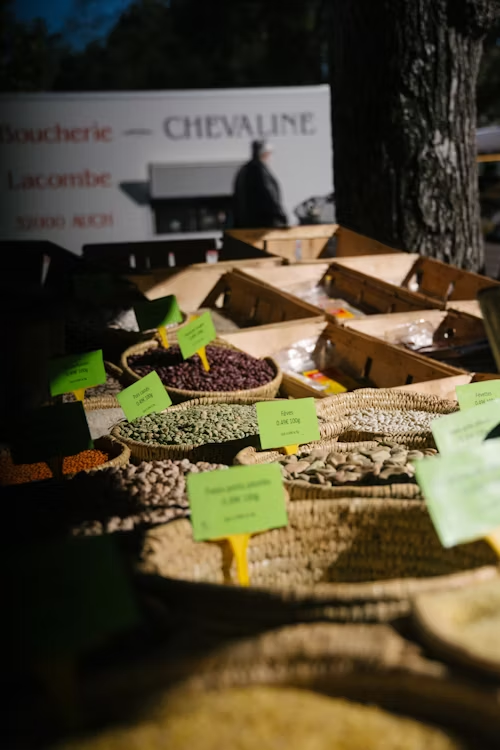
Offer more than just fruits and veg. Include dairy, eggs, baked goods, artisanal cheeses, and even local crafts or small‑batch condiments. A balanced lineup keeps customers coming back for a full meal rather than just one item.
Community Partnership
Engage local schools, nonprofits, and civic groups to build advocacy. Host themed days—farm‑to‑table cooking demos, school lunch programs, or seasonal festivals—to create buzz and repeat attendance.
Key Success Checklist
- Prime location with parking and transit links
- Consistent weekly schedule
- Diverse vendor mix (produce + value‑added goods)
- Active community partnerships & themed events
Managing Farm Fresh Produce: From Field to Stall
The journey from seed to sale is a critical line of control. Good management reduces waste, increases shelf life, and ensures the best customer experience.
Harvest Timing & Logistics
Coordinate with growers to pick produce at peak ripeness. Use a shared calendar (Google Sheets or Airtable) so everyone knows when items are ready for pickup. Plan transport routes that minimize temperature drift—use insulated containers and keep the load balanced.
Quality Inspection & Packaging
Inspect each shipment for bruises, mold, or pests. Use clean, food‑grade packaging: biodegradable bags, paper wrap, or reusable containers. Label with harvest date and origin to satisfy traceability demands.
Storage & Shelf Management
Keep a small cold storage unit or refrigerated trailer if you’re selling perishable items like berries or leafy greens. Rotate stock so older produce moves to the front of stalls. Use clear signage for pricing and origin stories—storytelling drives willingness to pay.
Waste Reduction Strategies
Plan menu‑based bundles: “Veggie Combo” packs carrots, cucumbers, and bell peppers at a discounted rate. Offer “look‑and‑buy” sections for items that need quick sale. Donate excess produce to local shelters—this builds goodwill and can qualify for tax deductions.
Produce Management Action List
- Create shared harvest calendar with growers
- Inspect, package, and label each shipment
- Maintain refrigeration for perishable goods
- Implement front‑of‑stall rotation system
- Develop bundled offerings & donation plan
Marketing and Community Engagement for Farmers Markets
Even the best produce can’t sell itself. Your marketing strategy should focus on community engagement, digital presence, and experiential events.
Local Outreach
Distribute flyers at nearby gyms, coffee shops, and schools. Offer a “first‑visit” discount or free sample to lower entry barriers. Use local radio spots or podcasts that discuss health and sustainability.
Digital Presence
Create a simple website with vendor listings, market schedule, and a newsletter signup. Leverage social media (Instagram & Facebook) for daily photos of fresh arrivals, behind‑the‑scenes videos, and customer testimonials. Use hashtags like #FarmFreshFood and #RegionalFarmersMarket to increase discoverability.
Experiential Events
Host cooking demos using market produce, partner with local chefs for “farm‑to‑table” nights, or bring in a farmer to talk about sustainable practices. These events transform the market from a shopping trip into an experience that people share on social media.
Data Collection & Feedback
Use QR codes on signage to link to surveys or loyalty programs. Track which items sell fastest and adjust vendor mix accordingly. Ask vendors for feedback on logistics; their insights often reveal pain points you might miss.
Marketing Tactics Summary
- Flyers & local outreach
- Website + newsletter + social media
- Cooking demos & farmer talks
- QR‑based surveys & loyalty tracking
Common Mistakes and How to Avoid Them
Even seasoned market organizers can fall into traps that hurt revenue, vendor relationships, or customer satisfaction. Recognizing these pitfalls early saves time and money.
Underestimating Costs
Many start-ups focus on stall rent but ignore utilities, insurance, marketing, and waste disposal. Build a detailed budget with contingency—typically 10‑15% of projected revenue.
Poor Vendor Screening
Allowing unqualified vendors (e.g., those without proper food safety certifications) can lead to legal headaches and spoil the market’s reputation. Implement a vetting process: require health permits, proof of liability insurance, and sample products before approval.
Lack of Flexibility
Markets that stick rigidly to one layout or vendor mix become stale. Rotate stall arrangements quarterly, invite new vendors, and test pop‑up booths for seasonal items.
Ignoring Customer Feedback
If shoppers complain about long lines or lack of shade, it’s a sign you’re missing critical infrastructure. Use feedback loops (online polls, comment cards) to stay ahead of issues.
Mistake Avoidance Checklist
- Create comprehensive budget with contingency
- Vet vendors for safety and certifications
- Rotate layout & vendor mix seasonally
- Actively collect and act on customer feedback
Pricing Strategies and Profitability
Setting the right price is a balancing act between covering costs, reflecting quality, and staying competitive. Here’s how I approach it.
Cost‑Plus Pricing
Add a standard markup to your cost of goods sold (COGS). For example, if a pound of tomatoes costs $1.00 wholesale, set the retail price at $2.50–$3.00 for a 30% profit margin after accounting for stall fees and taxes.
Value‑Based Pricing
For specialty items (organic heirloom tomatoes, locally produced honey), charge more because customers perceive higher value. Use storytelling on signage to justify the premium.
Bundling & Discounts
Create bundle offers: “Breakfast Pack” includes eggs, bacon, and fresh fruit for a fixed price. Offer early‑bird discounts or loyalty coupons to repeat shoppers.
Dynamic Pricing Tools
Use simple spreadsheet models (Google Sheets) to adjust prices in real time based on inventory levels. If you’re near the end of the season with surplus produce, drop prices slightly to move stock and maintain cash flow.
Profitability Tips
- Apply cost‑plus or value‑based pricing per product line
- Use bundles & loyalty discounts strategically
- Adjust prices dynamically based on inventory and seasonality
- Track sales data weekly to refine price points
Tools, Systems, and Best Practices in Farmers Market Management
A smooth operation relies on the right tech stack—no need for enterprise ERP; a few cloud tools go far.
Vendor Management Platforms
Use Airtable or Notion to track vendor contracts, health certificates, stall assignments, and payment schedules. Shared dashboards keep everyone informed.
Inventory & Point‑of‑Sale (POS)
A mobile POS like Square or Shopify POS lets vendors accept card payments on the spot. Integrate with a Google Sheet to auto‑update sales logs and inventory levels.
Marketing Automation
Mailchimp or SendGrid manage email newsletters, event reminders, and promotional offers. Connect your website’s sign‑up form to automate welcome sequences.
Analytics & Reporting
Google Analytics on the site tracks traffic sources and conversion rates. For in‑market analytics, use QR‑coded surveys that feed data into a dashboard (Data Studio).
Community Engagement Apps
Build a simple app or use platforms like Nextdoor to post daily produce updates, vendor spotlights, and market news.
Toolset Checklist
- Airtable/Notion for vendor & contract management
- Square/Shopify POS + Google Sheet integration
- Email automation (Mailchimp/SendGrid)
- Google Analytics + Data Studio dashboards
- Community app or Nextdoor for real‑time updates