How can I effectively organize a farmers market to attract local vendors?
When I set out to launch a new farmers market in my town, I quickly realized that the biggest hurdle wasn’t finding fresh produce or negotiating with suppliers. It was creating a structure that would keep vendors satisfied, attract reliable local producers, and build a loyal customer base. In this review I’ll walk through the core components of market organization, outline practical steps for managing day‑to‑day operations, break down proven vendor recruitment tactics, explain how to empower your vendors, and highlight common mistakes to avoid.
The most critical factor in a successful farmers market is clear communication—both internally with your team and externally with vendors and customers. When everyone knows what’s expected, the whole system runs smoother.1. Foundations of Market Organization
A solid organizational plan serves as the blueprint for every decision: stall count, layout, and role assignment. A clear hierarchy minimizes confusion and speeds up decisions.
Key Elements to Define Early
- Market Size & Layout: Decide square footage per vendor (e.g., 12 × 12 ft stalls) plus aisles; include a small reception area for customers.
- Roles & Responsibilities: Appoint a market manager, sales coordinator, logistics lead, and volunteer supervisor.
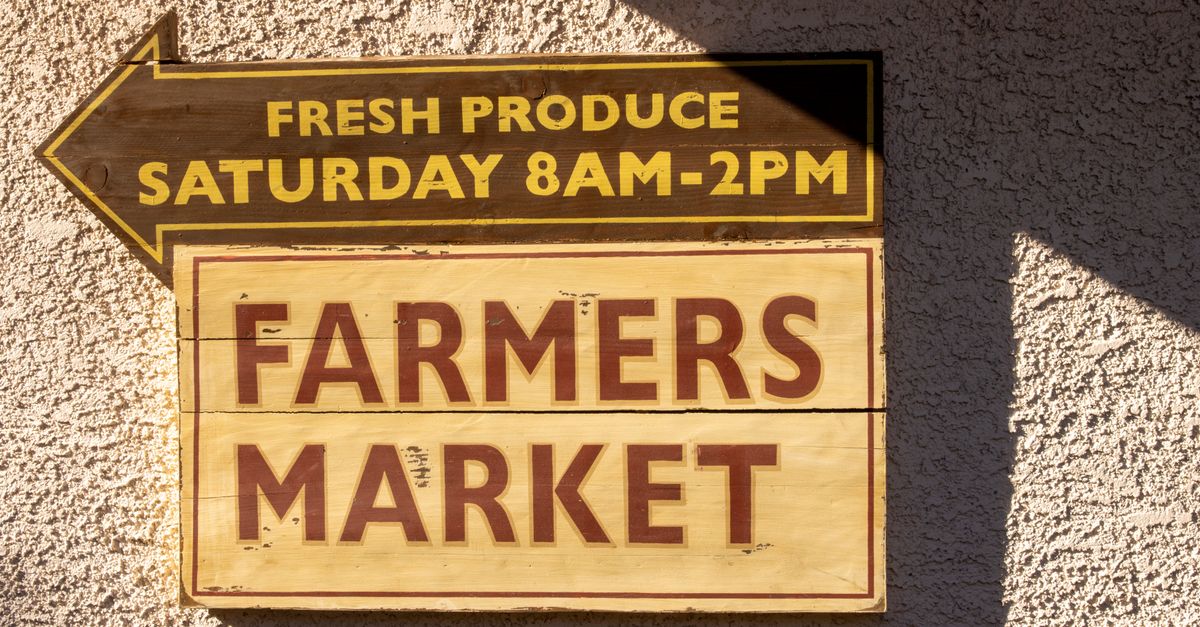
- Operating Hours: Set consistent times that match local habits (e.g., Saturday 8 a.m.–2 p.m.; optional Sunday evenings).
- Vendor Policies: Draft rules on product standards, stall fees, and compliance.
- Revenue Streams: Identify primary income from stalls and secondary income from sponsorships or events.
- Legal & Insurance: Obtain necessary permits and liability coverage before launch.
Documenting these details creates a reference that keeps the market on track, no matter who is in charge. It also signals professionalism to prospective vendors and partners.
Additional Design Considerations
- Signage & Branding: Set height limits (6–8 ft) and approved colors for cohesion; provide reusable banners that vendors can personalize.
- Health & Safety: Coordinate with local health departments to ensure food handling, refrigeration, and waste disposal meet regulations.
- Accessibility: Keep aisles at least 5 ft wide and provide clear paths for wheelchairs or strollers.
2. Practical Farmers Market Management
Daily management blends logistics, customer flow, vendor support, and data collection. Below are actionable practices that work in markets I’ve run.
Daily Operations Checklist
- Pre‑Market Setup: Verify stall readiness, signage placement, and security presence.
- Vendor Onboarding: Confirm arrival times, inspect product quality, and give a quick orientation.
- Crowd Control: Use floor maps or simple apps to guide shoppers through high‑traffic zones.
- Maintenance: Schedule regular cleanups of trash, restrooms, and walkways.
- Problem Resolution: Keep a “quick fix” kit for stalls needing repairs or supplies.
- Data Capture: Record sales figures, foot traffic counts, and vendor feedback each day.
Automating data capture with a template spreadsheet reduces errors and frees time for community building. I once used QR codes at stalls; customers scanned to view product details, and we could pull instant sales numbers.
Volunteer Coordination & Safety Protocols
Most markets rely on volunteers for setup, ticketing, and sanitation. Create a schedule with defined shifts—morning prep (6 a.m.–8 a.m.), midday support (12 p.m.–1 p.m.), closing assistance (1 p.m.–3 p.m.). Offer short training videos covering first aid, customer service, and emergency procedures.
Weather Contingency Planning
Have a backup plan for rain: portable tents, retractable awnings, or nearby indoor venues. Communicate the plan to vendors and customers via email and social media two days before each event.
3. Vendor Recruitment Tactics
A diverse mix of local producers, artisans, and small businesses attracts repeat shoppers. Effective recruitment hinges on outreach, incentives, and a transparent vetting process.
Recruitment Playbook
- Targeted Outreach: Use local farming associations, craft guilds, and social media groups to find prospects.
- Referral Program: Offer existing vendors a small discount for each new vendor they bring in.
- Open Calls & Auditions: Host quarterly “pitch days” where producers present products. Provide a simple application form asking about product type, quantity, storage needs, and sustainability practices.
- Flexible Pricing: Tier stall rates based on vendor size or seasonality.
- Trial Periods: Offer a 3‑month pilot for new vendors to assess fit before committing long‑term.
- Vendor Support Resources: Share marketing tips, packaging guidelines, and sustainability best practices.
During the audition phase evaluate each applicant on product quality, presentation skills, and alignment with community values. Use a scoring rubric (1–5) for each pillar to keep decisions objective; store all scores in a shared spreadsheet so both staff and vendors see how evaluations were made.
4. Empowering Vendors & Building Community
Retention is as important as recruitment. Empowered vendors feel valued, are more likely to innovate, and become ambassadors for your market. Community events, shared marketing, and collaborative goals foster loyalty.
Vendor Empowerment Strategies
- Shared Marketing Platforms: Create a joint social media page where vendors can tag each other; post weekly “Meet the Vendor” stories.
- Collective Branding: Offer branded signage or packaging, such as reusable tote bags with the market logo.
- Skill‑Sharing Workshops: Host monthly sessions on digital sales, sustainability, or customer service; provide certificates of completion.
- Revenue‑Sharing Models: For high‑volume vendors, consider a small commission on overall market sales to align incentives.
- Community Events: Organize seasonal festivals that bring shoppers and vendors together for live music, cooking demos, or craft fairs.
- Feedback Loops: Conduct quarterly surveys and town‑hall meetings to gather vendor input on policies.
The result? Vendors reported a 30% increase in customer repeat visits when they participated in joint marketing. A sense of belonging turned casual sellers into long‑term partners.
Customer Engagement & Loyalty Programs
Encourage vendors to offer loyalty cards or a “farmers market passport” that rewards shoppers for visiting multiple stalls. This boosts foot traffic and gives vendors data on customer preferences.
5. Common Pitfalls & Mitigation Measures
Even the best‑laid plans can stumble if certain risks are ignored. Below are frequent mistakes market operators make, along with quick fixes.
- Underestimating Logistics: Plan for parking, waste disposal, and emergency exits; conduct a dry run before opening.
- Inconsistent Vendor Quality: Enforce strict quality checks during onboarding to maintain buyer trust.
- Overpricing Stall Fees: Benchmark rates against comparable markets and offer introductory discounts.
- Lack of Data Tracking: Use simple digital tools or spreadsheets to record daily metrics.
- Ignoring Community Voice: Schedule regular feedback sessions and act on suggestions promptly.
- Weather‑Related Disruptions: Have a clear postponement or relocation policy, communicated in advance via email and social media updates.
- Vendor Burnout: Rotate leadership roles among vendors, offer rest days during off‑peak seasons, and recognize outstanding service publicly.
Addressing these issues early creates a resilient market ecosystem that adapts to seasonal fluctuations and shifting consumer preferences.
What vendor recruitment strategy has worked best in your local farmers market, and why?