How Can I Build a Practical Local Farmers Market Directory and Operate It Efficiently?
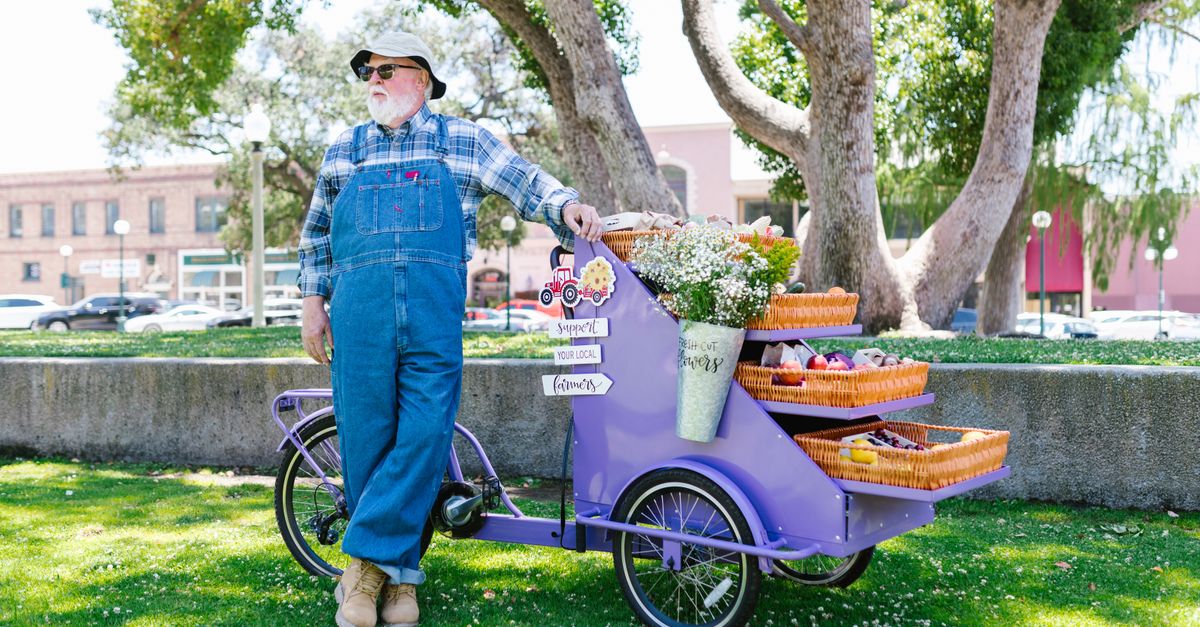
The challenge of creating a reliable local farmers market directory while managing seasonal food markets is two‑fold: you need accurate vendor data, product availability, and operating hours, and you must translate that information into daily operations—vendor selection, logistics, marketing, and customer experience—all while adapting to natural seasonal shifts.
Why Local Farmers Markets Matter
Local farmers markets strengthen community health, economic resilience, and environmental stewardship. They offer fresh produce, cut food miles, and give small growers a direct platform to reach consumers.
Key Benefits of Seasonal Food Markets
- Freshness: Products sold within hours of harvest keep nutrients intact and taste superior.
- Transparency: Consumers see where their food comes from, fostering trust and sustainable practices.
- Community: Markets become gathering spots that spark informal exchanges and strengthen social bonds.
- Economic Support: Money circulates locally, giving farmers a stable income base and allowing small businesses to thrive.
However, benefits come with challenges such as fluctuating inventory, vendor turnover, and limited operating windows. Poor management risks credibility and profitability loss.
Common Challenges in Farmers Market Operations
- Inconsistent product availability due to weather or supply chain disruptions.
- Mismatched supplier capacity and consumer demand, leading to missed sales.
- Lack of standardized data across markets, hindering comparison and best‑practice sharing.
- Limited marketing resources for vendors and organizers, causing low visibility.
Addressing these issues requires a structured approach to directory creation and operational workflow.
Building a Seasonal Food Market Directory
A robust directory is the backbone of any efficient market. It should capture essential vendor details, product lists, seasonal availability, and contact information so shoppers can plan visits and vendors coordinate logistics.
Data Sources for Your Directory
- Vendor Interviews: Direct conversations provide up‑to‑date info; use a standardized questionnaire to capture consistent fields.
- Local Agriculture Departments: Offer certified grower data, crop calendars, and compliance information for quality assurance.
- Community Boards: Online forums often contain listings and user reviews that highlight emerging vendors or niche products.
- Mobile Apps: Some platforms provide APIs; even if unused, the API can serve as a template for structuring your own database schema.
Cross‑checking multiple sources reduces errors and ensures completeness. For example, flag a discrepancy when a vendor claims strawberries in summer but weather reports predict a drought.
Structuring the Directory
- Vendor Profile: Name, location, product categories, contact info, certification status, short bio.
- Product Catalog: Item name, seasonality tags, pricing range, unit of measure, special handling instructions.
- Operating Hours: Market days and times; vendor booth opening/closing if different.
- Logistics Notes: Parking, booth size, waste disposal options, accessibility features.
Storing this information in a relational database or structured spreadsheet keeps it accessible. A simple SQL schema might include tables such as vendors, products, market_days, and logistics, linked by foreign keys.
Sample Directory Template (4 Columns)
- Vendor Name | Product Category | Season | Contact Phone
- Example: “Greenfield Farms” | “Vegetables” | “Spring, Summer” | 555‑123‑4567
Use filters and search functions so shoppers can quickly find what they need. A filter on “Season” helps customers plan trips around the freshest produce.
Operations of a Farmers Market
Once the directory is ready, day‑to‑day operations follow: vendor selection, layout planning, community outreach.
Vendor Selection Process
- Application Form: Capture basic info, product types, availability; allow vendors to upload images for visual review.
- Quality Check: Verify certifications or quality marks required by market standards.
- Diversity Goals: Aim for a mix of produce, dairy, artisanal goods, and prepared foods to cater to a broad audience.
- Capacity Matching: Review historical sales data or production forecasts to ensure vendors can meet market size expectations.
A scoring rubric keeps decisions objective. Weight criteria—e.g., 40% diversity, 30% quality, 20% capacity, 10% community engagement—to match strategic priorities.
Logistics & Layout Planning
- Booth Placement: High‑traffic areas host popular items; quieter zones feature niche products that benefit from a calm environment.
- Waste Management: Provide compost bins, recycling stations, and clear signage. A color‑coded system—green for compost, blue for recycling—helps reduce confusion.
- Utilities: Position portable generators or solar panels to minimize noise and visual clutter while ensuring adequate lighting.
- Accessibility: Include ramps, clear signage, and wide aisles. A 4‑meter aisle width is often recommended for wheelchair access.
A well‑thought layout reduces congestion and improves the shopper experience, boosting vendor sales and overall satisfaction.
Marketing & Community Engagement
- Social Media Calendars: Post weekly highlights of vendors and seasonal items using Instagram Stories or Facebook Events. Consistency builds a following that anticipates market updates.
- Email Newsletters: Share schedules, new arrivals, and recipes that incorporate featured produce. A monthly digest keeps the community informed even if they don’t attend every week.
- Local Partnerships: Collaborate with schools, gyms, or community centers for cross‑promotion. For example, a gym might offer a discount to market attendees who show their membership card.
- Events: Host cooking demos, farmer talks, or kid‑friendly activities such as “Harvest Crafts” to draw crowds and create memorable experiences.
Consistent engagement builds loyalty and increases foot traffic. Tracking metrics like email open rates or event attendance provides data for refining outreach strategies.
Managing Seasonal Variability
The core of a seasonal food market is its ability to adapt inventory and pricing as crops come in and out. Proper planning mitigates waste and maximizes revenue.
Crop Calendars & Forecasting
- Local Weather Data: Use forecast services to anticipate harvest windows and potential delays. A spreadsheet mapping expected yield dates against weather patterns guides vendor scheduling.
- Vendor Reports: Request weekly updates on yields and issues such as pest outbreaks or irrigation problems; standardize the format for comparability.
- Historical Trends: Analyze past seasons to identify supply-demand patterns, peak periods, and slowdowns. This informs future pricing and marketing tactics.
- Buffer Stocks: Allocate space for unexpected surpluses or shortages. A small reserve of seasonal produce can fill gaps when a vendor falls short, maintaining market consistency.
Integrating these data points helps anticipate needs accurately. For instance, if heavy rainfall is forecasted in mid‑June, schedule a “Rainy Day Specials” promotion for wetter‑grown crops like leafy greens.
Pricing Strategies for Seasonal Products
- Dynamic Pricing: Adjust prices based on supply levels and demand spikes. Offer a small discount to encourage bulk purchases when tomatoes are abundant.
- Bundle Offers: Combine complementary items (e.g., tomatoes with basil) to increase basket size and reduce waste.
- Early‑Bird Discounts: Encourage early shoppers during low‑traffic periods with a 5% discount on the first hour of market operation.
- Premium Pricing for Rare Items: Mark up out‑of‑season or specialty goods to compensate vendors while keeping customers satisfied.
A transparent pricing policy builds trust. Communicating the rationale behind changes—such as seasonal scarcity—helps shoppers understand and accept adjustments.
Inventory Tracking & Waste Reduction
- Barcode Scanning: Track product movement from vendor to buyer, providing real‑time insights into sales velocity and inventory depletion.
- First‑In, First‑Out (FIFO): Ensure older stock is sold first. A color‑coded labeling system reminds vendors when produce has been on the market longer than desired.
- Donation Programs: Partner with food banks or community kitchens for unsold produce, turning potential waste into a social good and improving the market’s public image.
- Digital Dashboards: Real‑time data on sales and inventory levels allows quick decision‑making—for example, reallocating space from underperforming stalls to high‑demand items.
Efficient tracking reduces spoilage and improves vendor payouts. Vendors see exactly how many units were sold, informing future planting decisions and sustaining a healthy supply chain.
Technology Solutions for Market Ops
Leveraging technology streamlines operations, enhances customer experience, and delivers data‑driven insights.
Mobile Apps for Vendors & Customers
- Vendor Portal: Submit product lists, update availability, view sales reports. A user‑friendly interface reduces administrative burden.
- Customer App: Browse directory, receive push notifications about specials, and pre‑order items for pickup at a chosen time slot.
- QR Code Menus: Allow quick access to vendor profiles. A scan shows product details, price, and origin story.
- Review System: Collect feedback for continuous improvement; positive reviews boost visibility while constructive criticism helps vendors refine offerings.
POS & Payment Integration
- Contactless Payments: NFC or QR codes reduce cash handling, speed transactions, and improve hygiene.
- Unified Receipts: Provide digital receipts linked to vendor profiles, encouraging repeat visits.
- Real‑time Settlement: Automate payouts after closing, reducing administrative overhead and ensuring timely compensation for farmers.
- Tax Compliance Tools: Ensure accurate sales tax calculations across jurisdictions or online pre‑orders that ship across state lines.
Data Analytics & Reporting
- Sales Dashboards: Visualize top‑selling items and vendor performance. Heat maps illustrate stalls generating the most foot traffic.
- Customer Segmentation: Understand demographics for targeted marketing—families, health‑conscious shoppers, culinary enthusiasts.
- Operational Efficiency Metrics: Measure average customer wait time, booth turnover rates, and energy consumption to identify improvement areas.
- Predictive Analytics: Forecast demand based on weather, holidays, and past data. This informs staffing levels, vendor allocation, and promotional timing.
Case Study: A Successful Local Farmers Market in 2026
In early 2026, a small town launched “Harvest Hub,” a weekly market that integrated the practices outlined above.
Background: The town had no centralized directory; vendors operated independently. Attendance hovered at 200 people per week.
Implementation Steps
- Created an online directory with vendor profiles and seasonal product lists, accessible via a mobile‑friendly website.
- Implemented a mobile app for vendors to update inventory in real time, syncing data directly into the central database.
- Installed solar‑powered POS stations with contactless payment options, reducing reliance on generators and cutting operating costs.
- Launched weekly email newsletters featuring vendor spotlights, recipe ideas, and a “What’s Fresh Today” calendar to keep customers engaged.
Results After One Year
- Attendance grew by 45% to over 300 daily shoppers, driven by improved visibility and targeted marketing.
- Vendor revenue increased by 30% due to better visibility and dynamic pricing tools that matched supply with demand.
- Waste reduced by 25% through real‑time inventory tracking and donation partnerships with a local food bank.
- Customer satisfaction scores rose from 3.8/5 to 4.6/5 on post‑market surveys, reflecting higher product quality and smoother transactions.
Common Mistakes to Avoid in Farmers Market Operations
- Underestimating Seasonal Fluctuations: Failure to plan for weather‑related crop delays can leave booths empty or force last‑minute substitutions.
- Lack of Vendor Onboarding Protocols: Inconsistent quality and supply gaps arise when new vendors are not vetted against clear standards.
- Poor Layout Design: Congestion in high‑traffic areas reduces shopper satisfaction, lowering repeat visits.
- Insufficient Marketing: Relying solely on word‑of‑mouth limits reach and fails to capture younger demographics.
- Ignoring Data Analytics: Missed opportunities for pricing optimization and inventory control that could enhance profitability.
- No Waste Management Strategy: Leads to higher costs, negative environmental impact, and potential regulatory scrutiny.