From Spinners to Seasonal Spreads: How Farm-to-Community Connections Reshape Our Food Landscape
Just as in The Game of Life where a simple spin can direct the paths we take, the seasonal farmers market and its vibrant network of farm-to-community connections, organic produce, and local artisans offer us a delightful spin on the traditional grocery shopping experience. The choices we make at these markets can significantly influence not only our health and taste buds but also the local economy and environment.
The Rich Tapestry of Farm-to-Community Connections
Farm-to-community connections are pivotal in creating sustainable food ecosystems. These networks allow communities to foster direct relationships with farmers, understanding precisely where their food comes from and how it's grown.
Benefits of Strengthening Farm-to-Community Links
Engaging directly with local farms isn’t just about getting fresh produce; it’s about building relationships and community resilience. Here are some critical advantages:
Key Benefits of Direct Farm Connections
- Improved freshness and nutritional content of food
- Support for local economies
- Reduced carbon footprint due to shorter travel distances for food
- Greater transparency in food sourcing
The positive ripple effects of purchasing locally go beyond just the economic; they also include educational opportunities for consumers about sustainable practices and seasonal eating.
Exploring the Bustling Organic Produce Market
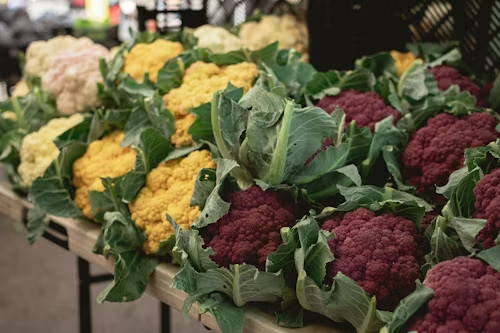
The demand for organic produce has surged as consumers become more health-conscious and environmentally aware. Markets dedicated to organic goods offer a plethora of options that are not only better for the body but also for the planet.
Why Organic Matters
Choosing organic is choosing a lifestyle. Learn why an increasing number of consumers are turning to organic markets:
Reasons to Shop Organic
- Lower levels of pesticides and chemicals
- Non-GMO produce
- Enhanced flavor and nutritional benefits
- Support for humane treatment of animals
Organic markets are not just food hubs but also educational platforms where consumers learn about the benefits of organic farming and ecological preservation.
Unpacking Market Logistics
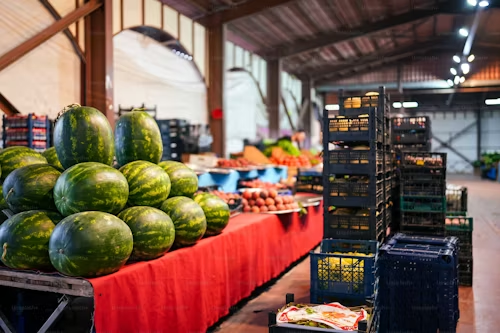
The efficiency of market logistics determines how smoothly products move from farm to table. This includes everything from the transportation of goods to the management of market stalls.
Optimizing the Path from Farm to Market
Effective logistics are crucial for maintaining the quality and sustainability of food distribution in local markets.
Components of Effective Market Logistics
- Robust transportation networks
- Efficient stall management
- Inventory control and storage solutions
- Technology integration for tracking and sales
By fine-tuning these elements, markets can ensure that fresh, quality produce reaches the consumer without unnecessary delays or wastage, much like avoiding roadblocks and pitfalls in The Game of Life.
Celebrating Local Artisans
Local artisans are the heart and soul of seasonal farmers markets. These talented individuals bring a unique blend of traditional and innovative crafts that enrich the community.
Spotlight on Artisanal Excellence
Discover the diverse range of products created by local artisans that you can typically find at a seasonal farmers market:
Diverse Products Offered by Local Artisans
- Handcrafted jewelry and accessories
- Homemade preserves and sauces
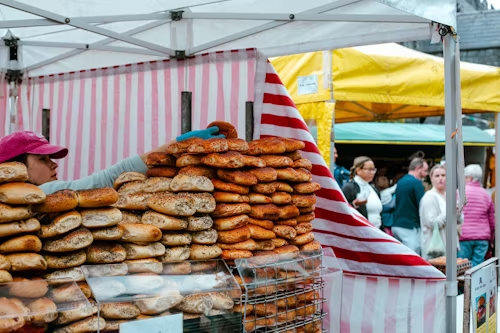
- Artisanal breads and cheeses
- Ceramics and pottery
These artisans not only contribute to the market's charm but also to its economic diversity, offering goods that are as unique and personal as a customized spinner in The Game of Life.
The Colorful Calendar of Seasonal Farmers Markets
Seasonal adjustments in farmers markets reflect the natural growing cycles of local agriculture, ensuring that consumers have access to the best and freshest produce throughout the year.
Harvesting Through the Seasons
Each season brings a new array of products to the market. Here's what you can expect:
Seasonal Offerings at Farmers Markets
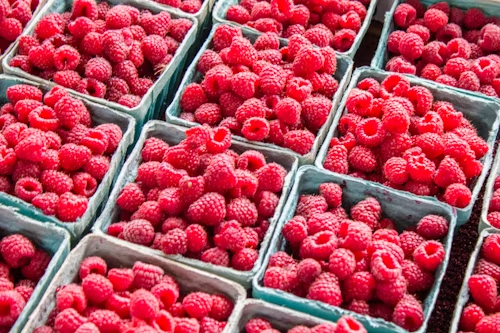
- Spring: Fresh herbs, leafy greens, and early berries
- Summer: Stone fruits, tomatoes, and vibrant flowers
- Autumn: Root vegetables, squashes, and late berries
- Winter: Citrus fruits, nuts, and hearty greens
Understanding this cycle not only enhances the shopping experience but also connects consumers with the natural rhythms of agriculture, much like navigating the changing seasons in The Game of Life.
Tags: Farm-to-community connections, Organic produce market, Market logistics, Local artisans, Seasonal farmers market