Farmers Markets: The Real-Life Game of Growth and Connection
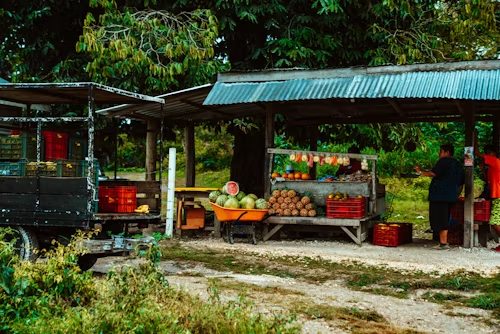
Just like in a suspenseful game of Clue, where players piece together clues to solve a mystery, the evolving world of farmers markets involves connecting dots between producers and consumers. But instead of Colonel Mustard in the library with the candlestick, it's local farmers in the town square with crates of fresh produce, ready to transform how we think about shopping and eating.
The Growth of Farmers Markets: A Strategy for Sustainable Living
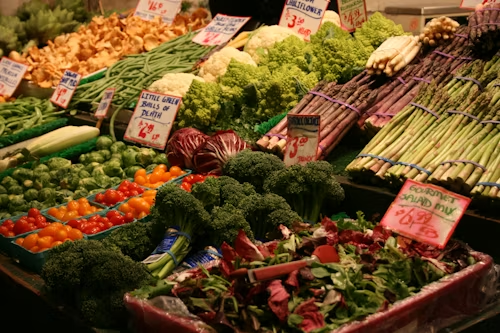
The narrative of farmers markets has shifted dramatically over the last decade. Once seen as the quaint weekend activity for the eco-conscious or those in search of novelty, these markets have blossomed into essential hubs of local economies, promoting sustainable agriculture and community health.
Understanding the Surge in Popularity
The surge in farmers market popularity isn't just about fresh carrots and homemade pies. It's about consumers' growing awareness of the environmental and health benefits of locally sourced food.
Key Factors Driving Farmers Market Popularity
- Increased consumer interest in healthier food options
- Growing concern about environmental sustainability
- The desire for supporting local economies
- Enhanced appreciation for the quality and taste of locally grown produce
This list underscores a collective shift towards mindful consumption where the origins and ethical considerations of food are as important as its taste.
Impact on Local Economies
Farmers markets do more than just sell food; they invigorate local economies. Vendors selling locally-sourced items keep money circulating within local communities, supporting more robust economic growth.
Benefits to Local Economies
- Job creation within local communities
- Increased visibility for small-scale farmers and artisans
- More stable income streams for producers through direct sales
- Development of related businesses, such as local cafes and shops
The intertwining of community engagement and economic activity creates a sustainable ecosystem that benefits everyone involved.
Connecting Farmers and Customers: More Than Just Transactions
Imagine the farmers market as a board game from Clue, where every vendor's stall offers a clue into their world—their practices, their products, and their stories. This interaction is not just transactional; it's transformational.
Building Relationships Beyond Sales
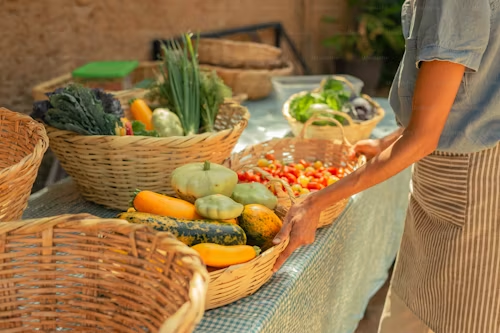
Engaging with local farmers allows consumers to understand and appreciate the journey from farm to table, fostering a connection that goes beyond the simple purchase of goods.
How Relationships Transform the Market Experience
- Education about food sources and production processes
- Customized advice on product selection and preparation
- Community building through repeated interactions
- Increased trust and loyalty between consumers and producers
This rapport encourages a deeper respect for food and its production, turning regular customers into advocates for local farms.
Technology as a Bridge
Just as the smartphone transformed communication, technology has the potential to revolutionize the connection between farmers and consumers.
Technological Tools Enhancing Connections
- Online marketplaces for pre-orders
- Apps for real-time updates on product availability
- Social media platforms for story-telling and customer engagement
- QR codes at stalls providing detailed product information
These technologies ensure that the farmers market experience can be both a physical and digital marketplace, accessible anytime and anywhere.
Enhancing Market Accessibility
Ensuring everyone has access to farmers markets is like solving the final puzzle in a game of Clue—crucial for revealing the full picture.
Strategies for Increasing Accessibility
Making farmers markets accessible means addressing physical, economic, and informational barriers that potential shoppers may face.
Ways to Boost Market Accessibility
- Convenient locations with public transportation options
- Acceptance of food assistance programs like SNAP
- Mobile markets to serve underrepresented areas
- Multilingual information booths
By implementing these strategies, farmers markets can become a welcoming space for all members of a community, regardless of socioeconomic status.
Efficient Farmers Market Management
Behind every successful farmers market, there's a management team working diligently, much like detectives piecing together clues in a game of Clue, ensuring every aspect of the market runs smoothly.
Key Aspects of Market Management
Effective management is crucial for maintaining the quality, safety, and ongoing success of farmers markets.
Essential Management Practices
- Regular vendor training and support
- Strict health and safety regulations
- Efficient layout and customer flow design
- Community feedback mechanisms
These practices ensure that the market operates at its best, providing a safe, enjoyable, and profitable environment for vendors and shoppers alike.
Tags: Farmers market growth, Connecting farmers and customers, Market accessibility, Farmers market management