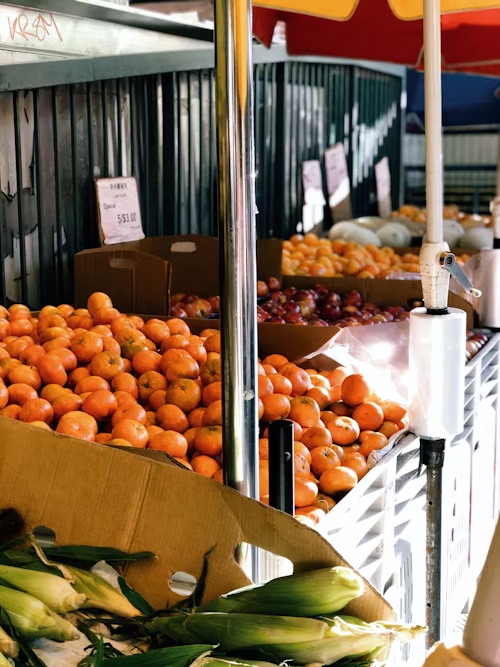
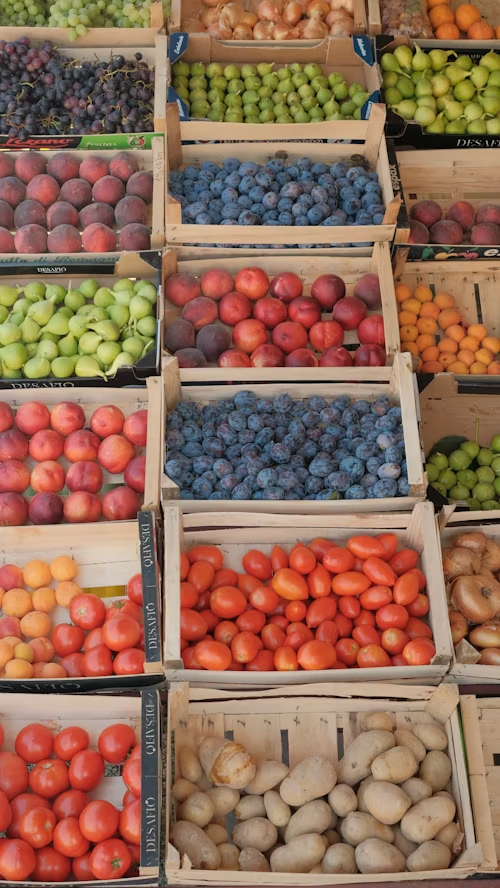
Farmers Markets: The Cornerstone of Urban Renaissance and Community Connectivity
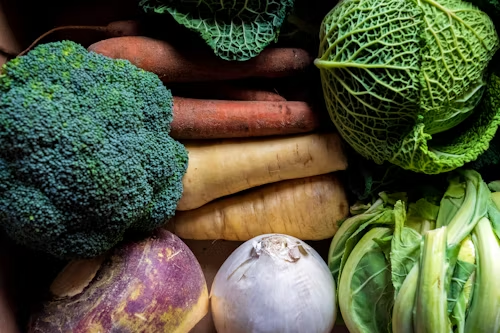
When Tupac famously rapped about changes, he might as well have been talking about today’s revitalization of urban spaces with the burgeoning popularity of farmers markets. Much like how Tupac envisaged a fresh, vibrant world through his lyrics, farmers markets are breathing new life into city corners and connecting communities in dynamic ways. Let’s dive into how these colorful markets are more than just places to buy fresh produce—they are vital cogs in the wheel of urban development and community bonding.
The Role of Farmers Markets in Urban Settings
Farmers markets are often celebrated for their fresh produce and artisan goods, but their impact extends far beyond just providing a venue for buying and selling. They are instrumental in transforming urban landscapes, enhancing community interaction, and promoting sustainable living practices.
Revitalizing Urban Areas
Installing a farmers market in an urban district does more than fill an empty lot—it sparks a chain reaction of positive community engagement and economic activity. The presence of a market increases foot traffic, which can lead to improved safety and stimulates the interest of local businesses and investors.
Key Benefits of Urban Farmers Markets
- Economic growth through increased local spending
- Improved local infrastructure driven by increased foot traffic
- Enhanced community safety as markets bring regular activity
- Preservation of local traditions and crafts
These markets bring an energetic vibe to neighborhoods, often becoming weekly festivals that offer a taste of local culture alongside fresh produce. The economic and social ripple effects are a testament to their transformative power.
Connecting Communities
A farmers market is a melting pot of cultures, age groups, and social classes. It’s a place where organic conversations blossom and where the community fabric is woven tighter through shared experiences and mutual interests.
Ways Farmers Markets Connect Communities
- They serve as gathering spots for social interactions
- Markets act as platforms for local artists and musicians
- They foster a sense of pride and ownership within neighborhoods
- They facilitate the exchange of ideas about health and sustainability
Like a Tupac track that resonates across diverse audiences, farmers markets appeal to a broad demographic, making them excellent venues for fostering community bonds and understanding.
Overcoming Market Accessibility Challenges
While the benefits of farmers markets are clear, not everyone has equal access to these community resources. Addressing the barriers to market accessibility is crucial for ensuring that everyone can participate in and benefit from them.
Physical and Economic Barriers
Accessibility issues can range from physical barriers to economic hardships. For some, getting to a market is a challenge due to a lack of public transportation options or personal mobility issues. For others, the prices at farmers markets can be prohibitively high compared to conventional supermarkets.
Strategies to Improve Market Accessibility
- Implementing EBT and SNAP programs to make products affordable
- Organizing transportation services for areas lacking public transit
- Hosting markets at various times to accommodate different schedules
- Ensuring ADA compliance in market layouts
By adopting these strategies, farmers markets can become more inclusive, allowing a wider segment of the population to access fresh, local produce and participate in community activities.
Optimizing Farmers Market Operations
Efficient operations are the backbone of successful farmers markets. From logistics to vendor coordination, seamless operations ensure a positive experience for both vendors and visitors.
Logistical Coordination
Effective logistics involve everything from stall placement and traffic management to sanitation and emergency services. Good logistical planning makes markets accessible and enjoyable.
Elements of Smooth Market Operations
- Clear signage and accessible pathways
- Regular communication with vendors about rules and setup times
- Efficient waste management systems
- Emergency medical and security services on-site
These operational details might not be glamorous, but they are essential for making farmers markets dependable and safe for everyone involved. Just as Tupac’s producers ensured his music flowed flawlessly, market organizers must manage operations seamlessly to create enjoyable community events.
Tags: Farmers market, Market accessibility, Farmers market operations, Connecting communities
In conclusion, farmers markets do more than sell food; they enrich communities, bridge cultural gaps, and revitalize urban areas. Addressing accessibility and operational challenges will only increase their positive impact. As Tupac might say, they help us see changes — not only in our diets but in our neighborhoods and social interactions. Embracing and supporting your local farmers market can lead to a healthier, more connected community.