Farmers Market Management: How to Run a Successful Local Marketplace Event
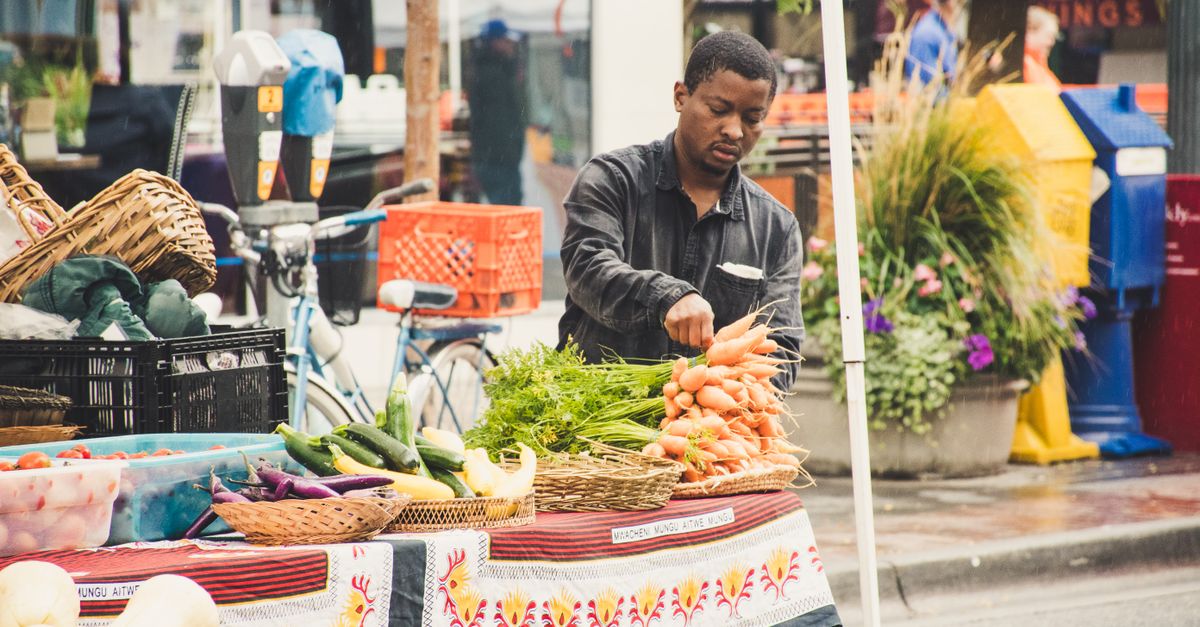
Running a farmers market involves more than stalls; it requires an ecosystem that supports vendors, draws shoppers, and keeps community engaged. This guide covers the key steps of farmers market management, from planning to evaluation, helping you build a thriving local marketplace support hub.
1. Understanding the Scope of Farmers Market Management
Launching a market in 2014 taught me that clear objectives drive success. Address these questions: who you serve, what value you offer, and how to measure impact.
Defining Goals and Success Metrics
Set SMART goals—Specific, Measurable, Achievable, Relevant, Time‑bound. For example: “Increase vendor participation by 15% in the next year” or “Achieve a 90% shopper satisfaction rate.” Track attendance, sales revenue, and repeat customer counts to gauge progress.
Qualitative goals—community cohesion, brand awareness—are also important. Start each season with focus groups to refine expectations.
Choosing the Right Venue and Timing
Select a location with easy parking, visibility, and accessibility. Most markets run on weekends from spring through fall. Coordinate with local authorities for permits and public works schedules to avoid clashes.
Use a checklist covering utilities, shade, transit, and scalability; a good site eases operations and improves shopper experience.
Key takeaway: A well‑defined mission and measurable goals lay the groundwork for every other decision in farmers market management.2. Vendor Acquisition and Support
Vendors are the lifeblood of any local farmers market. My experience teaching vendors to optimize their stalls taught me that support goes beyond a simple sign‑up form.
Recruiting Local Producers
- Target small farms, artisanal food makers, and local artisans.
- Offer tiered pricing based on stall size and days per week.
- Host an open house to let potential vendors experience the atmosphere.
Use storytelling—share vendor stories—to attract quality sellers and build shared purpose.
Providing Tools and Resources for Vendors
Provide signage templates, POS systems, and compliance checklists. Offer workshops on inventory, marketing, and food safety to build vendor confidence.
Create a “Vendor Toolkit” PDF that vendors can download before the season starts. Include best practices for layout, pricing, and customer interactions to ease onboarding.
3. Operational Logistics
Behind the scenes of a bustling farmers market is a complex web of logistics.
Permits, Licenses, and Insurance
Secure all required permits—food handler licenses for vendors, temporary event permits, and liability insurance that covers both the market operator and sellers. Keep a master calendar and digital copies; submit early to avoid delays.
Layout Design and Signage
Design a layout that guides foot traffic from entrance to exit while allowing vendor visibility. Use clear signage: directional arrows, vendor names, product categories, and safety notices.
Simulate foot traffic with diagrams to spot bottlenecks and adjust spacing early.
Waste Management and Sustainability Practices
Provide recycling bins, compost stations, and a single‑use plastic ban policy. Encourage vendors to use reusable containers; offer incentives for sustainable practices.
Introduce a “Green Vendor” badge for sellers who meet sustainability criteria; display it visibly to guide shoppers and reinforce stewardship.
4. Marketing and Community Engagement
Even the best market fails without shoppers. Effective marketing blends traditional outreach with digital strategies.
Traditional Outreach Methods
- Distribute flyers in nearby neighborhoods.
- Partner with local businesses for cross‑promotion.
- Offer early‑bird coupons to first‑time visitors.
Partner with community centers, libraries, and schools; add a QR code linking to schedule or vendors for quick info.
Digital Promotion Strategies
Build a simple site with vendors and dates; use social media stories for produce, interviews, and live snippets; email newsletters update specials. Engage local influencers to share videos of vendor tours, adding authenticity and buzz.
In my experience, combining a robust email list with Instagram reels featuring vendor demos can boost attendance by up to 25% during peak season.Monitor open rates, clicks, and mentions; A/B test subject lines and posting times.
5. Financial Planning and Pricing Models
Revenue streams for farmers markets are multifaceted; careful budgeting ensures long‑term viability.
Budgeting for Infrastructure and Staff
Allocate funds for temporary structures (tents, tables), lighting, security, sanitation facilities, and staffing—especially during peak hours. Factor in seasonal maintenance costs like roof repairs or parking lot resurfacing.
Create a contingency line item of at least 10% to cover unexpected expenses such as weather‑related damage or last‑minute vendor cancellations.
Vendor Fees, Revenue Sharing, and Profitability
Set stall fees that reflect demand yet stay competitive. Consider revenue sharing for premium spots to incentivize quality vendors.
Provide introductory discounts or loyalty perks to retain vendors and stabilize cash flow.
6. Technology and Data Management
Data-driven decisions elevate market operations.
- Use cloud‑based POS systems to aggregate sales data.
- Integrate Google Analytics with your website for traffic insights.
- Maintain a CRM to nurture vendor relationships and customer loyalty programs.
Automate weekly reports showing best sellers and restock suggestions; this transparency builds collaboration.
7. Health and Safety Protocols
Public health concerns, especially post‑pandemic, demand rigorous protocols.
- Mandatory hand sanitization stations for shoppers and staff.
- Temperature checks at entry points during high‑risk periods.
- Clear guidelines on food handling, allergen labeling, and safe storage temperatures.
Regularly review these protocols with vendors during monthly meetings. Keep a visible health compliance poster in the market’s central hub so shoppers feel confident in your safety standards.
8. Community Partnerships and Sponsorships
Leverage local businesses, schools, and civic groups to broaden reach.
- Create partnership packages with tiered benefits (logo placement, booth space).
- Collaborate with local schools for student art displays or science projects.
- Engage city councils to align market goals with municipal economic development plans.
Store agreements in a shared drive; hold quarterly check‑ins so sponsors feel valued and contributions align with programming.
9. Common Pitfalls and How to Avoid Them
- Underestimating Permitting Requirements: Delay permits by even a week can shut down an entire market.
- Inadequate Vendor Communication: Lack of clear expectations leads to disputes over stall placement or pricing.
- Ignoring Customer Feedback: A 60% satisfaction rate should trigger immediate action plans.
- Sustainability Neglect: Failure to implement waste reduction can alienate eco‑conscious shoppers.
Implement a “Pre‑Market Checklist” that vendors and staff sign off on, covering permits, safety equipment, signage compliance, and sustainability measures. This simple step reduces oversight risk before the market opens.
10. Evaluation and Continuous Improvement
Post‑market evaluation is non‑negotiable. I use a structured survey after each season, asking vendors about logistics, customers about experience, and staff about operational challenges.
- Analyze data to identify high‑traffic zones and underperforming stalls.
- Adjust vendor mix based on sales performance and customer demand.
- Iterate layout designs for better flow and safety compliance.
Treat evaluation as a Plan‑Do‑Check‑Act cycle; share results publicly so stakeholders see progress.
What’s the most challenging aspect of managing a local farmers market in your city, and how did you overcome it?