Farmers Market in San Diego, CA: Navigating the Growth and Pitfalls Like a Pro
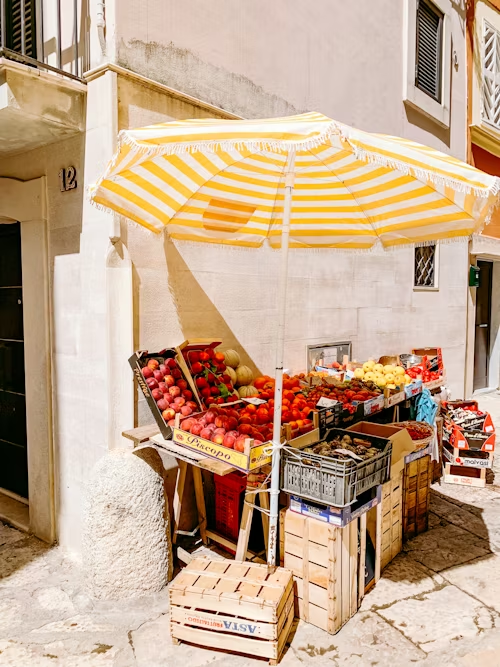
Let's cut to the chase, folks. I've been elbow-deep in farmers markets from Las Vegas to San Diego, and I've seen it all—the good, the bad, and the downright ugly. Today, I'm breaking down the common blunders I've witnessed at the San Diego Farmers Market scene and how we can flip those mishaps into growth and success. Buckle up; it's going to be a juicy ride.
The "All Eggs in One Basket" Syndrome
First off, many newbies to the farmers market scene in San Diego try to play it safe by sticking to one type of product. Big mistake. Diversification isn't just a fancy word for investors; it's crucial for market vendors too.
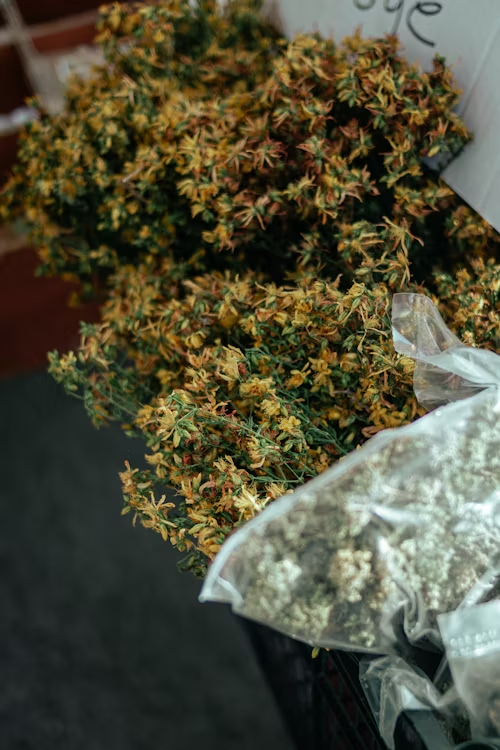
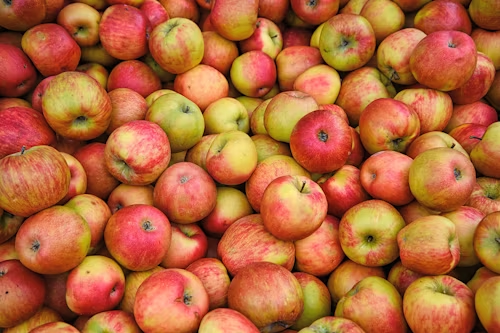
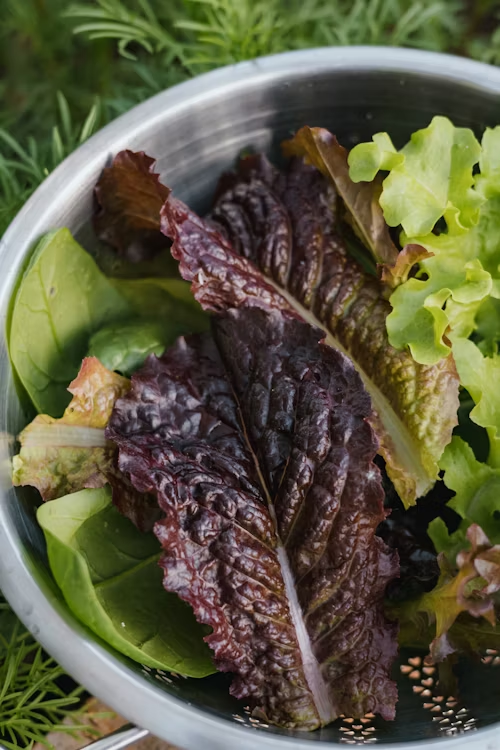
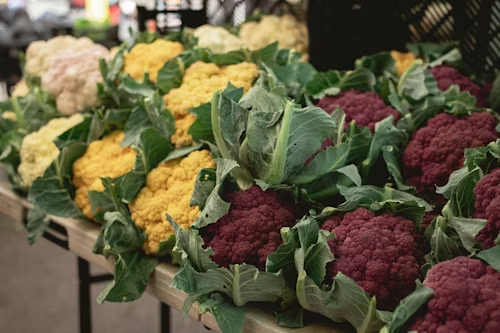
Imagine walking through rows of stands, each offering an array of farm-fresh fruits, organic veggies, and artisanal crafts. That's a farmers market jackpot right there! Variety not only catches the eye but also caters to the varied tastes of San Diego's eclectic crowd.
Quick Tips for Vendors:
- Expand your product range—mix it up with some local crafts or baked goods.
- Seasonal specials can draw in crowds—think pumpkin spice in fall, berries in summer.
- Interactive displays or live demos can captivate passersby (who doesn't love a good cheese-making demo?).
- Feedback boxes! Knowing what works (and what doesn’t) straight from your customers can be gold.
And remember, the broader your offerings, the wider your net for catching customers.
Misunderstanding the Audience
San Diego isn't just surf and sun; it's a mosaic of cultures, tastes, and wallets. A common slip? Assuming all market-goers are looking for ultra-cheap deals. Yes, affordability is key, but so is quality. Many visitors are willing to shell out a bit more for something truly exceptional or ethically produced.
Incorporating local culture into your products can make them resonate more with the community. Whether it’s using local ingredients in your recipes or incorporating regional designs in crafts, it shows respect and understanding for the locale.
Engagement Ideas:
- Themed market days (e.g., "Taste of San Diego") can celebrate local flavors and traditions.
- Collaborations with other local businesses can create cross-promotions that benefit everyone.
Understanding and embracing the local vibe is your ticket to becoming a community favorite.
Ignoring Digital Footprints
In today's world, if you're not online, do you even exist? Many farmers markets and vendors fail to maintain an active digital presence, which is like saying ‘no thanks’ to free marketing. And no, an annual Facebook post doesn't count.
Creating a robust online profile can help you reach out to those who might not wander into a farmers market on their usual route. Plus, it’s a perfect platform for storytelling—share your farm's history, your artisanal process, or that secret ingredient in your grandma’s recipe.
How to Boost Your Online Presence:
- Regular posts on platforms like Instagram or Pinterest can visually showcase your products.
- Engaging stories or behind-the-scenes videos can create a personal connection with your audience.
- Online promotions or contests can drive physical foot traffic to your booth.
Remember, every like, share, and comment is a potential customer.
Pricing Pitfalls
Pricing can be a slippery slope. Go too high, and you scare away budget-conscious buyers; too low, and you undervalue your hard work. It's about finding that sweet spot where your price reflects the quality and craftsmanship of your product.
Competitive pricing doesn't mean undercutting everyone else. It means offering fair value that customers are willing to pay for a product they perceive as worth the cost.
Strategies for Smart Pricing:
- Market research is key—see what others are charging for similar products and find your competitive edge.
- Value-based pricing lets your craftsmanship and product backstory enhance perceived value.
- Loyalty discounts or bundle deals can keep customers coming back without slashing prices.
Smart pricing ensures you're not left with loads of unsold inventory or selling yourself short.
Adapting to Trends
Lastly, the market is always evolving. What sold like hotcakes last year might not get a second glance this season. Adapting to trends—be it eco-friendly packaging, plant-based foods, or the latest superfood—keeps you relevant and in demand.
It’s not about chasing every fad but picking and choosing what aligns with your brand and can genuinely enhance your product offering.
Keeping Up with the Market:
- Stay informed about industry trends through newsletters, blogs, or local market networks.
- Customer surveys can directly tell you what's working and what’s not.
- Seasonal adaptations to your product lineup keep things fresh and exciting.
Remember, the ability to adapt is what keeps businesses thriving through ups and downs.
In my experience, embracing these strategies has not only helped me grow my own ventures but has also allowed me to help other fledgling markets and artisans find their footing in this vibrant community. What's the biggest challenge you've faced at your local farmers market? Share your stories and let's learn from each other!