Exploring the Vibrant World of Local Artisans and Seasonal Farmers Markets
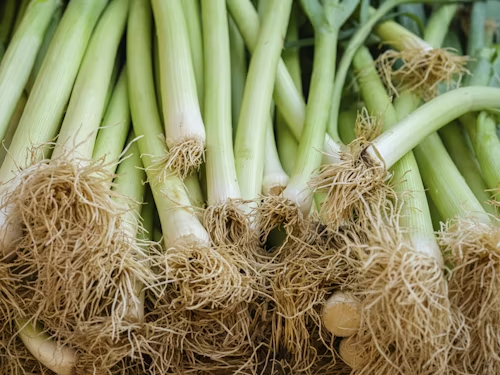
The heart of every community can often be found in the bustling energy of its local markets. From the intricate, handcrafted goods offered by local artisans to the fresh, organically grown produce available at healthy food markets, these hubs are a treasure trove of local culture, sustainability, and engagement. In this post, we delve into how seasonal farmers markets not only serve as vital economic outlets for small producers but also as key platforms for fostering market visitor engagement.
The Role and Rise of Local Artisans in Community Markets
In many local markets, artisans are not merely vendors; they are the lifeblood that brings uniqueness and originality to the market scene. These creators offer handcrafted products ranging from jewelry and ceramics to textiles and home decor. By supporting local artisans, shoppers contribute to their community in several meaningful ways:
- Economic Support: Money spent on local artisans stays within the community, helping to boost the local economy.
- Sustainability: Handmade products often have a smaller carbon footprint than mass-produced goods, making them a more environmentally friendly choice.
- Cultural Preservation: Many artisans incorporate traditional techniques and cultural stories into their work, helping to keep these traditions alive and accessible.
Engaging with local artisans at markets also enables visitors to learn about the craftsmanship that goes into each product, creating a meaningful connection between the consumer and the creator.
Healthy Food Markets: A Hub for Nutritious Choices
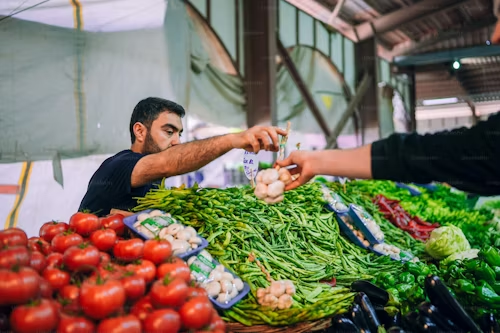
Healthy food markets have carved out a significant niche in many communities. These markets prioritize products that are not only organic and fresh but also contribute to healthier lifestyle choices. Here are some benefits provided by healthy food markets:
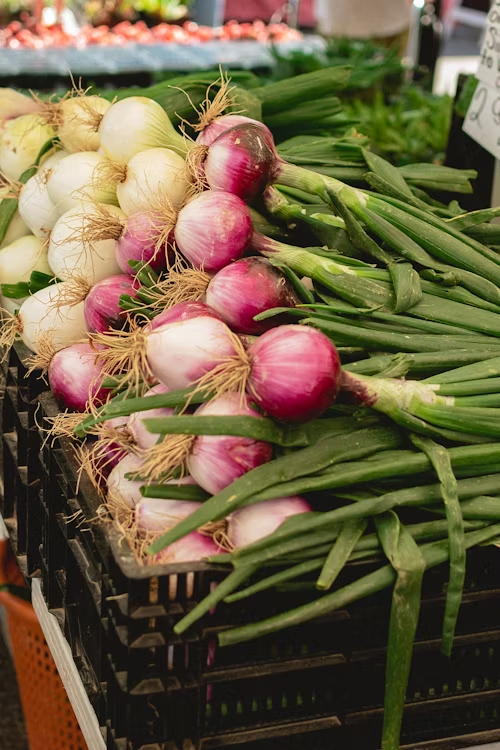
- Access to Fresh and Nutritious Foods: These markets often offer a variety of fruits, vegetables, and other fresh foods that are free from harmful pesticides and chemicals.
- Educational Opportunities: Market-goers can learn from vendors about the best practices for maintaining a healthy diet and can often find new and exciting recipes.
- Support for Local Farmers: By purchasing directly from local growers, consumers can ensure farmers receive a fair price for their produce, encouraging sustainable farming practices.
Healthy food markets not only cater to the nutritional needs of the community but also serve as social gathering spots where people can mingle and share health tips.
Seasonal Farmers Markets: Celebrating the Bounty of Each Season
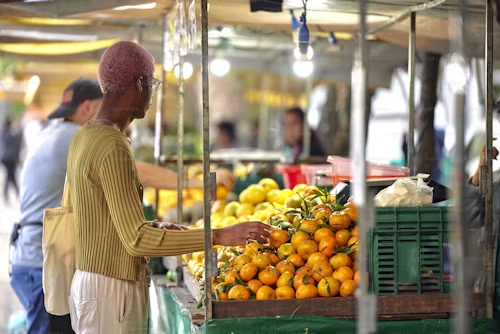
Seasonal farmers markets are particularly special because they celebrate the cyclical nature of agriculture. These markets adjust their offerings based on what is currently in season, ensuring that consumers get the freshest produce possible. Here’s why seasonal farmers markets are eagerly anticipated in many regions:
- Seasonal Variety: Shoppers can enjoy a diverse array of produce that changes with the seasons, providing unique flavors and nutritional benefits.
- Peak Freshness: Foods that are in season are typically at their peak in both flavor and nutrients.
- Community Events: Many seasonal markets also host special events, workshops, and festivities that turn shopping into a lively community activity.
By aligning market offerings with the agricultural calendar, seasonal farmers markets not only promote better health but also education about where food comes from and how it grows.
Enhancing Market Visitor Engagement: Strategies for Success
To turn a market visit into a more engaging and memorable experience, market organizers can adopt several strategies. These not only enhance the visitor's experience but also help vendors achieve better sales and lasting customer relationships. Here are some effective ways to boost market visitor engagement:
- Interactive Workshops: Hosting workshops where visitors can learn crafts from local artisans or cooking skills from food vendors adds educational value and fun to the market experience.
- Live Demonstrations: Farmers and artisans can showcase the processes behind their products, from milking cows to weaving baskets, which not only entertains but also educates the consumers.
- Loyalty Programs: Implementing a reward system for frequent visitors encourages ongoing engagement and repeat visits.
- Social Media Interaction: Active social media presence helps keep the community informed and engaged with the market’s happenings, even when they are not physically present.
Through these initiatives, markets can create a deeper sense of community and a more engaging shopping environment.
Conclusion: The Impact and Importance of Supporting Local Markets
Local markets are more than just places to shop. They are vibrant, interactive hubs that foster community spirit, support the local economy, and provide access to unique, high-quality products. Whether through the purchase of a hand-woven basket, participation in a cooking class, or enjoying the seasonal harvest, every visit to a local market can contribute to a richer, more connected community life. By choosing to support these markets, each person contributes to a cycle of sustainability and cultural richness, benefiting the entire community.
Engaging with your local market is not just a choice, it’s an investment in your community’s future. So next time you need to shop, think local and discover the abundant benefits these markets bring to the table.