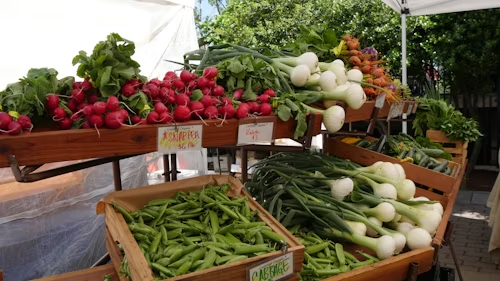
Exploring the Vibrant World of Community Farmers Markets

Community farmers markets serve as vital hubs for local agriculture, fostering farm-to-community connections that enrich our neighborhoods and dining tables alike. They provide a unique venue for consumers to directly engage with the producers of their food, learn about sustainable agriculture, and enjoy fresh, locally-sourced produce. By understanding the nuances of farmers market logistics and utilizing a comprehensive farmers market directory, communities can enhance the benefits these markets bring into their daily lives.
The Role of Community Farmers Markets in Local Economies
Community farmers markets do more than just sell food. They invigorate local economies, sustain small farms, and stimulate local entrepreneurship. By directly selling produce to the public, farmers are able to keep a higher share of the profits compared to selling through large grocery chains. This economic model not only supports farmers' livelihoods but also keeps money circulating within the community. Here are several ways community farmers markets impact local economies:
- Boosting local business visibility
- Creating jobs and supporting local farmers' markets vendors
- Increasing access to fresh, affordable produce
- Promoting tourism through unique market events
Moreover, these markets often become springboards for small-scale artisans and food producers who are not yet ready to scale up to larger retail locations. The immediate feedback they receive from customers and the ability to test products without a significant upfront investment can be invaluable for product development and improvement.
Navigating the Farmers Market Directory
With the rising popularity of community farmers markets, finding one near you has become easier than ever, thanks to comprehensive online farmers market directories. These resources not only list locations and operating hours but often provide details about vendors, special events, and even parking information. Here’s how to make the most of a farmers market directory:
- Search by location to find the nearest markets.
- Check available products and vendor types (organic, artisan, etc.).
- Plan visits around special events or seasonal offerings.
- Read reviews and tips left by other market-goers.
Whether you're a local looking to spice up your grocery shopping routine or a tourist seeking an authentic local experience, a farmers market directory is your gateway to discovering the richness of local produce and crafts.
Strengthening Farm-to-Community Connections
The connection between farms and community members at farmers markets goes beyond transactions. These interactions allow consumers to understand where their food comes from, how it is grown, and the challenges local farmers face. This transparency builds trust and a sense of community solidarity. Here are some effective ways markets foster these connections:
- Hosting farm tours and agricultural workshops
- Allowing consumers to meet and speak directly with farmers
- Organizing food tastings and cooking demonstrations
- Featuring community booths to share local initiatives and services
These initiatives not only enrich the shopping experience but also educate the public on the importance of sustainable practices and local purchasing.
Understanding Farmers Market Logistics
Running a community farmers market involves complex logistics that ensure the operation is efficient and beneficial for both vendors and consumers. Key elements include vendor management, site selection, traffic flow design, and regular communication with stakeholders. Effective logistics planning also addresses:
- Regulatory compliance: Adhering to local health and safety regulations to ensure that all products sold are safe and high-quality.
- Vendor spacing: Arranging stalls to allow for easy customer flow and to showcase a variety of vendors.
- Weather preparedness: Implementing measures for extreme weather conditions, ensuring the market can operate in various climates.
- Sustainability practices: Promoting eco-friendly practices like waste reduction programs and encouraging reusable packaging.
By meticulously planning these logistics, community farmers markets can provide a seamless shopping experience that encourages repeated visits and sustainable growth.
Conclusion: The Enduring Value of Community Farmers Markets
Community farmers markets are more than just places to buy food. They are vibrant platforms for promoting local agriculture, educating the public about sustainable practices, and strengthening community ties. By effectively utilizing a farmers market directory, understanding the importance of farm-to-community connections, and navigating the intricacies of market logistics, both consumers and producers can fully benefit from these communal treasures. Embracing these markets supports not only local farmers but also the broader community, contributing to a healthier, more connected society.
In conclusion, as we continue to seek more authentic and sustainable ways to source our food, community farmers markets stand out as invaluable assets. They not only bolster local economies but also create a more interconnected and environmentally aware community. Dive into the world of local produce at a community farmers market and experience the profound impact it can have on your eating habits and community relationships.