Exploring the Thriving World of Organic and Local Food Markets

The interest in healthy, sustainable eating is more than a trend—it’s a growing movement. As consumers increasingly seek out fresh, local options, organic produce markets, seasonal food markets, and farmers markets have become vital community hubs. These gatherings not only offer access to fresh food but also foster a connection between consumers and their local farmers, encouraging a healthier lifestyle and an eco-friendly approach to consumption.
The Rise of Organic Produce Markets
Organic produce markets are specialized venues where farmers offer goods grown without synthetic pesticides, fertilizers, or genetically modified organisms. These markets support sustainable agricultural practices that benefit the environment by reducing pollution and conserving water and soil. The popularity of organic food markets has soared as people have become more health-conscious and aware of the environmental impact of conventional farming.
Benefits of Shopping at Organic Produce Markets
- Fresher Produce: Organic markets typically feature fruits and vegetables that are harvested at their peak, ensuring maximum freshness and nutritional value.
- Healthier Choices: Organic produce is grown without harmful chemicals, offering a healthier option for consumers looking to minimize their exposure to pesticides.
- Environmental Impact: By supporting organic markets, consumers contribute to lessening the ecological footprint, promoting biodiversity, and reducing the contamination of soil and water.
- Support for Local Farmers: These markets provide farmers with a direct-to-consumer sales avenue, helping them achieve better margins and sustain their operations locally.
Seasonal Food Markets: A Celebration of the Harvest
Seasonal food markets, often popping up in spring and summer, bring the cycle of nature into the cityscape, allowing urban dwellers to experience the rhythms of agricultural life. These markets provide an opportunity to purchase produce at the height of its flavor and nutritional content, which can vary from month to month.
Discover the Rich Variety at Seasonal Markets
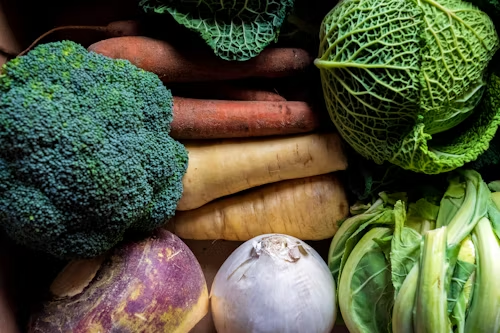
Every season offers something unique at these markets. Spring might bring tender asparagus and aromatic strawberries, while summer offers a bounty of tomatoes, peppers, and peaches. Fall and winter aren’t left out, with pumpkins, squashes, and hardy greens. Shopping seasonally not only adds variety to your diet but also means you’re buying foods at their nutritional peak.
Why Farmers Markets Are More Than Just Food Vendors
Farmers markets are more than places to buy food; they are vibrant social spaces that foster community interaction and the exchange of knowledge about food and farming. They are educational arenas where farmers can explain the benefits of their products and practices directly to consumers.
Top Reasons to Visit Your Local Farmers Market
- Ultra-fresh Produce: Most of the food sold at farmers markets is harvested within 24 hours of your visit, making it significantly fresher than what’s available in supermarkets.
- Seasonal Surprises: Farmers markets often feature unusual varieties not found in regular stores, which can introduce you to new tastes and recipes.
- Community Engagement: They provide a place to meet the growers and learn more about where and how your food is produced.
- Economic Benefits: Spending money at farmers markets supports local families and keeps money circulating within your community.
Local Food Markets: Nurturing Local Economies
Local food markets not only promote the consumption of fresh products but also bolster local economies. These markets create jobs and keep financial capital circulating locally. The direct interaction between consumers and producers nurtures trust and loyalty, encouraging the community to flourish.
How to Engage with Your Local Food Market
- Know the Season: Understand what produce is in season to shop the best quality and prices.
- Talk to Farmers: Engage with local farmers about their practices and the products they offer. This interaction can give you insights into the food’s journey from farm to table.
- Bring Reusable Bags: Contributing to the sustainability efforts, always bring your own bags to reduce plastic use.
- Plan Meals Around Market Visits: You can plan your weekly meals based on what’s available, ensuring you use the freshest ingredients.
Conclusion: A Call to Action for Sustainable Consumerism
Embracing local and organic food markets is more than a shopping decision—it's a lifestyle choice that supports health, community, and the environment. By choosing these markets, you are voting with your dollar for a more sustainable world. Get involved in the local food scene to make a direct impact on the local economy and contribute to a greener planet. Start exploring these vibrant markets today, and enjoy the fresh, delicious benefits they bring to your table.
Ready to dive into the world of organic and local food markets? Begin your journey towards a healthier lifestyle and a more sustainable world by supporting these vital community resources. Your body, your community, and your planet will thank you.