Exploring the Rise of Healthy Food Markets and Their Impact on Sustainability

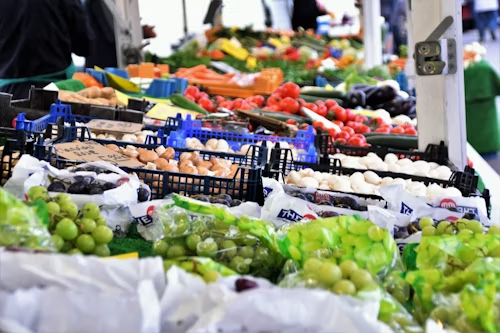
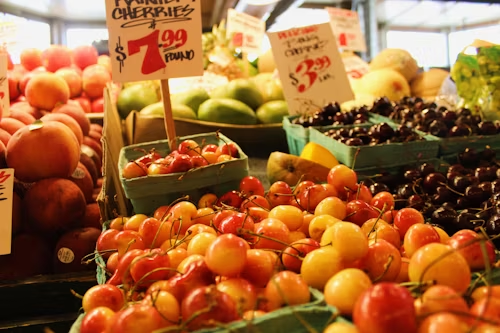
The shift towards healthier lifestyles has seen a significant rise in the popularity of healthy food markets. These markets, stocked with products from local vendors and emphasizing farm-to-community connections, are not just a trend but a movement towards sustainable living. In this post, we delve into how these markets operate, the benefits they bring to local communities and the environment, and why they are becoming vital components of urban and rural areas alike.
The Core of Healthy Food Markets
Healthy food markets are more than just places to buy food. They represent a collective effort to improve health standards, support local economies, and promote sustainable agricultural practices. By focusing on fresh, locally-sourced produce, these markets offer a viable alternative to the processed foods that dominate supermarket shelves. The emphasis on local sourcing helps reduce carbon footprints, managing food production in a more environmentally friendly way.
- Quality and Nutrition: Products sold at healthy food markets are often fresher, having been harvested at peak ripeness close to their point of sale. This freshness not only retains more nutrients but also provides better taste.
- Local Economy Support: By purchasing from local vendors, consumers inject money directly back into their local economies. This cyclical money flow helps to strengthen community bonds and financial stability.
- Sustainability: Shorter supply chains associated with these markets lead to reduced transport emissions, lower energy usage, and less packaging waste.
Understanding Sustainable Markets
Sustainable markets take the principles of healthy food markets a step further by integrating environmental, economic, and social goals into their core operations. These markets look to influence the entire supply chain to be more eco-friendly, from production and packaging to logistics and disposal. The goal is not only to provide health benefits but also to protect the planet.
- Eco-friendly Practices: Many sustainable markets use organic farming techniques that avoid, or significantly reduce, the use of synthetic pesticides and fertilizers which are harmful to both the earth and human health.
- Reducing Waste: These markets often encourage practices such as using biodegradable bags or reusable containers to minimize plastic waste.
- Energy Efficiency: Some markets also invest in renewable energy sources to power their operations, reducing reliance on fossil fuels.
Strengthening Farm-to-Community Connections
The bond between farmers and consumers has never been more critical than in the context of healthy and sustainable markets. Farm-to-community connections help ensure that consumers receive the freshest produce possible, and farmers receive fair compensation for their efforts. This direct relationship fosters transparency, allowing consumers to know where their food comes from and how it was grown.
- Community Supported Agriculture (CSA): CSAs are a popular model where consumers buy shares of a farm's harvest in advance, reducing the financial risks for farmers.
- Farmers' Markets: These markets allow farmers to sell directly to the public, bypassing the middleman, which can help farmers retain a greater portion of profits.
- Educational Opportunities: Many sustainable markets also serve as platforms for educating the public about sustainable practices, nutrition, and the importance of supporting local economies.
Role of Local Vendors in Healthy Food Markets
Local vendors are the backbone of healthy food markets. They provide a diverse array of products, from organic fruits and vegetables to artisanal cheeses and homemade preserves. The presence of local vendors not only enhances the market's variety but also its appeal to consumers looking for unique, locally-produced items that cannot be found in typical supermarkets.
- Diversity of Products: Local vendors often offer a variety of goods that are unique to the region, attracting both locals and tourists.
- Quality Control: With shorter supply chains, local vendors can manage quality control more effectively, ensuring that their products meet high standards.
- Personal Connection: Purchasing from local vendors allows consumers to build relationships with the people who grow and make their food, adding a personal dimension to the shopping experience.
Challenges and Future Prospects
Despite their benefits, healthy food markets face several challenges. These include logistical issues, higher prices compared to conventional supermarkets, and the seasonal availability of produce. However, as consumer awareness grows and technology improves, solutions are being developed to address these challenges. Innovations in agriculture, such as vertical farming and hydroponics, are making it possible to grow produce in smaller, urban spaces and during off-seasons, increasing the availability of fresh produce year-round.
Looking ahead, the future of healthy food markets appears promising. With increasing consumer interest in health, sustainability, and community support, these markets are set to become integral parts of more and more neighborhoods. As they evolve, they continue to offer valuable opportunities for local vendors, provide fresh, nutritious options for consumers, and create stronger, more sustainable communities.
In conclusion, healthy food markets are much more than mere trading spaces. They are pivotal in advancing a sustainable future, boosting local economies, and forging stronger community ties through the support of farm-to-community connections and local vendors. As we continue to navigate towards a healthier, more sustainable world, the role of these markets will undoubtedly expand, reshaping our food systems and communities for the better.