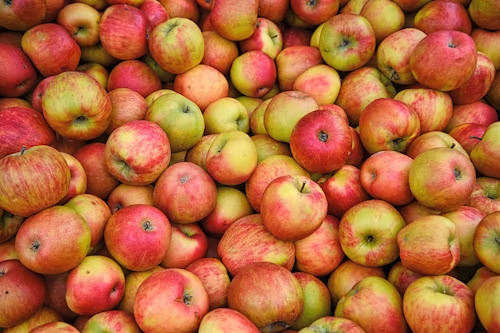
Exploring the Growth and Impact of Organic Produce Markets

The increasing demand for healthier food options and sustainable agricultural practices has led to a significant rise in organic produce markets. These markets not only offer fresh, chemical-free produce but also support local economies and promote environmental sustainability. This blog post delves into the various aspects of organic produce markets, including local produce sales, farmers market event planning, local agricultural markets, and strategies for enhancing market visitor engagement.
The Rise of Organic Produce Markets
Organic produce markets have become popular destinations for health-conscious consumers and supporters of local agriculture. These markets offer a variety of benefits that go beyond just the food itself, contributing to healthier lifestyles, local economies, and the environment. Consumers are increasingly aware of the impacts of their food choices, leading to a growing preference for organic and locally sourced foods.
Benefits of Local Produce Sales
Local produce sales at organic markets bring a multitude of advantages. By purchasing locally, consumers can enjoy fresher food, support local farmers, reduce carbon footprints, and help boost the local economy. Here are some key benefits of supporting local produce sales:
- Freshness: Local produce is often harvested at its peak and brought directly to market, which preserves its flavor and nutrients.
- Support for Local Farmers: Buying local helps farmers receive a fair price for their produce, encouraging sustainable farming practices.
- Reduced Environmental Impact: Local produce requires less transportation, which significantly reduces greenhouse gas emissions and packaging waste.
- Economic Benefits: Money spent on local produce stays within the community, bolstering the local economy and creating jobs.
Planning Successful Farmers Market Events
Farmers market event planning is crucial for the success of local agricultural markets. Effective planning involves several components, from vendor selection to marketing and customer engagement. Here are some tips for organizing a successful farmers market event:
- Vendor Selection: Choose a diverse range of vendors offering various products to attract a broad audience.
- Location and Layout: Select a central, accessible location and arrange stalls in a way that allows easy flow and visibility.
- Marketing and Promotion: Utilize social media, local media, and community bulletins to promote the event.
- Engagement Activities: Include live music, workshops, and cooking demonstrations to enhance visitor experience.
- Feedback Mechanism: Implement a system to gather feedback from both vendors and visitors for continuous improvement.
Successful event planning not only boosts the market's popularity but also ensures that visitors leave with a positive impression, increasing the likelihood of return visits.
Understanding Local Agricultural Markets
Local agricultural markets serve as integral components of the local food ecosystem, connecting farmers directly with consumers. These markets not only facilitate the exchange of goods but also foster community connections and provide educational opportunities about sustainable agriculture. Here's what makes these markets essential:
- Community Building: Markets serve as social venues where people can meet, interact, and build relationships.
- Education: Many markets host demonstrations and talks on food origins, preparation, and nutrition.
- Access to Diverse Products: Consumers can find unique varieties of fruits, vegetables, and other products that are not available in conventional stores.
Understanding the structure and benefits of local agricultural markets can help consumers appreciate the value and effort behind the produce they purchase.
Enhancing Market Visitor Engagement
Increasing market visitor engagement is vital for the success of organic produce markets. Engaged visitors are more likely to make purchases, participate in events, and spread the word about their experiences. Here are effective strategies for enhancing visitor engagement:
- Interactive Activities: Incorporate hands-on activities like food tastings, cooking contests, or gardening workshops.
- Loyalty Programs: Offer rewards programs for frequent shoppers which could include discounts or special offers.
- Effective Signage: Clear, attractive signage can help visitors navigate the market easily and highlight special offerings.
- Community Involvement: Engage local schools, clubs, and other organizations in market activities to foster a sense of community ownership.
- Social Media Interaction: Use social media platforms to create a buzz around the market, share updates, and interact with the community.
By implementing these strategies, markets can create a more engaging and enjoyable experience for visitors, encouraging them to return and bring others with them.
Conclusion
Organic produce markets play a crucial role in promoting healthy eating, supporting local economies, and enhancing community life. By focusing on local produce sales, effective farmers market event planning, understanding the dynamics of local agricultural markets, and employing strategies to boost visitor engagement, these markets can thrive and grow. As consumers become more aware of the benefits of eating organic and locally grown food, the popularity of these markets is only expected to rise, paving the way for a healthier, more sustainable future.
Whether you are a consumer, farmer, or market organizer, understanding and supporting organic produce markets can lead to numerous benefits. Let's cherish and promote these valuable community assets for generations to come.