Exploring the Growth and Benefits of Local Food Markets and Seasonal Farmers Markets
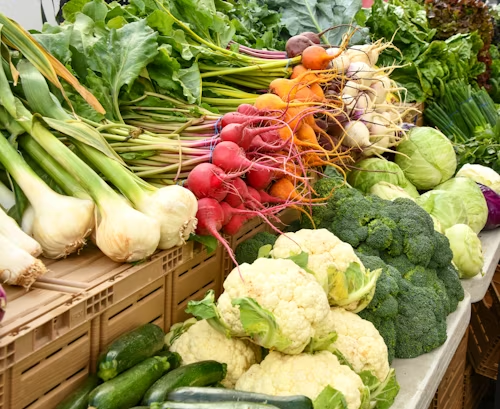
As consumer awareness increases about the impact of their food choices on health, the environment, and local economies, more people are turning to local food markets and seasonal farmers markets. These markets play a crucial role in developing sustainable food systems, offering fresh, locally-sourced products directly from the producers to the consumers. This blog post delves into the significance of these markets, their growth, and why they are more than just a weekend activity.
The Rise of Farmers Markets: Understanding the Growth
The past decade has witnessed a remarkable increase in the number of farmers markets across the globe. According to statistics from the Farmers Market Coalition, there has been a steady growth in these markets, indicating a shift towards more sustainable eating practices and support for local economies. But what is driving this growth?
- Increased consumer awareness: Consumers are becoming more aware of the environmental and health impacts of their food choices, leading to increased interest in locally sourced and organic products.
- Support for local economies: There is a growing recognition of the benefits that local markets bring to local economies, including supporting small and family-owned farms and businesses.
- Desire for fresh and nutritious food: Freshness and nutritional content are higher in locally sourced produce, which is often harvested at its peak and sold shortly thereafter.
- Community and social benefits: Farmers markets often become community hubs, fostering a sense of community and connection among residents.
This uptick in farmers market popularity reflects a broader trend towards sustainability and community-oriented lifestyles, reinforcing the importance of supporting local and seasonal produce.
What Are Local Food Markets and Seasonal Farmers Markets?
While they may seem similar, local food markets and seasonal farmers markets have distinct characteristics:
- Local food markets: These markets can operate year-round or seasonally, featuring locally grown food and sometimes including artisanal products made locally. They focus on selling food and products sourced from nearby producers to minimize transportation and promote local businesses.
- Seasonal farmers markets: Typically operating during specific times of the year, these markets focus exclusively on selling produce from local farms during their harvesting season. This ensures that consumers get the freshest and most seasonally appropriate produce available.
Both types of markets are integral to fostering sustainable food systems, but they cater to slightly different needs and preferences in the community.
The Impact of Local and Seasonal Markets on Sustainable Food Systems
Sustainable food systems are vital for reducing our environmental footprint, improving food security, and supporting healthy communities. Local and seasonal markets are at the heart of these systems, providing several benefits:
- Reduced carbon footprint: By minimizing the distance food travels from farm to consumer, these markets help reduce transportation emissions, a major component of the carbon footprint associated with food.
- Lowered use of packaging: Farmers markets often use less packaging than traditional grocery stores, which contributes to lower waste production.
- Support for biodiversity: Local farms are more likely to grow a wider variety of crops, including heirloom species, which can help maintain genetic diversity and resilience in food sources.
- Enhanced soil health: Sustainable practices used by many small farmers, such as crop rotation and organic methods, improve soil health and reduce reliance on chemical inputs.
By supporting these markets, consumers contribute to a more sustainable and equitable food system that benefits both people and the planet.
Exploring the Social and Economic Benefits of Farmers Markets
Aside from environmental advantages, local food markets and seasonal farmers markets provide substantial social and economic benefits:
- Economic opportunities: These markets provide crucial economic opportunities for rural and small-scale farmers, allowing them to sell directly to consumers and capture a greater share of the profit margin.
- Job creation: Local markets help create jobs in the community, from direct employment opportunities to those in ancillary services like transportation and marketing.
- Health and nutrition: Markets make fresh, nutrient-rich foods more accessible to the community, contributing to better overall health and diet quality.
- Cultural exchange: They serve as cultural hubs where people from diverse backgrounds can come together, share food, stories, and traditions, enriching the community fabric.
These social and economic dimensions highlight how integral these markets are in building resilient communities and economies.
Supporting Local Markets: How Consumers Can Make a Difference
Individual consumer choices can significantly impact the success and sustainability of local food markets. Here are some ways consumers can support these valuable community assets:
- Shop regularly at local markets: Regular purchases make a stable demand, helping farmers and local producers plan and sustain their operations.
- Spread the word: Word-of-mouth is a powerful tool. Share your positive experiences and encourage friends and family to visit and shop at these markets.
- Participate in community-supported agriculture (CSA): CSAs involve purchasing a share of a farm's production before the season begins, providing upfront capital to the farmer and ensuring a supply of fresh produce throughout the season.
- Volunteer: Many local markets operate with limited staff and budgets. Volunteering can help reduce operational costs and build community spirit.
By adopting these practices, consumers not only enjoy fresh, healthy foods but also contribute to the sustainability and growth of local food markets.
In conclusion, the rising popularity and growth of local food markets and seasonal farmers markets mirror a global shift towards more sustainable and community-focused food systems. These markets not only support local economies and reduce environmental impacts but also foster community health and cohesion. By understanding and supporting these markets, consumers can play a pivotal role in shaping a sustainable future.
Local food markets and seasonal farmers markets are more than just places to buy food; they are crucial components of a sustainable future, promoting health, community, and environmental well-being. Next time you visit your local market, remember that each purchase helps to sustain these benefits for your community and the world.