Exploring the Benefits and Strategies of the Organic Produce Market: Enhancing Community and Visitor Engagement
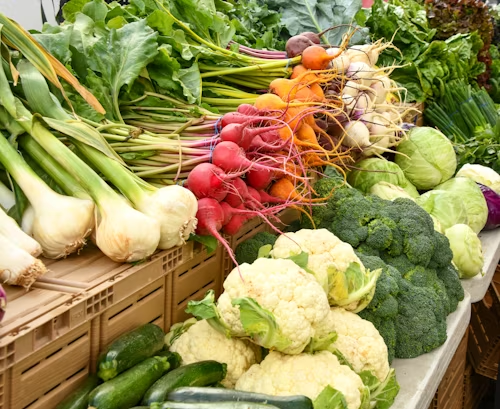
The surge in health awareness and sustainability has significantly boosted the popularity of organic produce markets. These markets not only offer fresh, chemical-free produce but also serve as vital hubs for community engagement and cultural exchange. In this detailed exploration, we will delve into what makes the farmers market a cornerstone of local communities, examining effective market organization and strategies to boost market visitor engagement.
Understanding the Organic Produce Market
Organic produce markets, often synonymous with farmers markets, specialize in selling goods grown without synthetic pesticides, fertilizers, or genetically modified organisms. These markets are not just points of sale; they are vibrant social settings that foster a sense of community and support local economies.
- Health Benefits: Organic foods are preferred for their health benefits, including fewer pesticides and heavy metals, more healthy fats, and often more antioxidants compared to conventional food.
- Environmental Impact: Sustainable farming practices used in growing organic produce help conserve water, reduce pollution, and decrease soil erosion.
- Economic Benefits: By purchasing directly from local farmers, consumers ensure their money supports local families and reduces the carbon footprint associated with long-distance food transport.
The Role of Market Organization in Success
Effective market organization is crucial for the success of any farmers market. This involves several key components that together create a welcoming and efficient environment for both vendors and visitors.
- Vendor Selection: Choosing the right mix of vendors is essential. A diverse range of products not only attracts a wider audience but also ensures a vibrant, bustling market atmosphere.
- Layout Design: The arrangement of stalls should facilitate easy movement and interaction. Clear signage and accessible paths are important for visitor convenience and safety.
- Regular Schedules: Consistency in market days and hours helps build visitor habits and expectations, enhancing visitor turnout over time.
- Community Involvement: Engaging local businesses and community groups can help in market promotion and offer additional resources for market activities.
Boosting Community Engagement Through Farmers Markets
Community engagement is a fundamental aspect of the organic produce market’s philosophy. These markets act as crucial touchpoints for community interaction, and there are several strategies to enhance this role.
- Educational Programs: Workshops on organic farming, sustainable practices, or cooking demonstrations can engage the community and provide additional value to the market experience.
- Events and Festivals: Organizing events around specific themes, such as harvest festivals or local food celebrations, can draw larger crowds and foster community spirit.
- Partnerships: Collaborating with local schools, NGOs, and governmental bodies can amplify the impact of the market’s community engagement efforts.
- Volunteer Opportunities: Encouraging local residents to volunteer at the market not only helps in its running but also builds a stronger sense of ownership and community pride.
Engaging Market Visitors: Strategies for Enhancing Experience
While organic produce is a strong draw, the overall market visitor experience can significantly affect the frequency and duration of visits. Here are some strategies designed to enhance visitor engagement:
- Interactive Activities: Offering interactive stations such as taste tests, “meet the farmer” talks, or hands-on gardening tips can keep visitors interested and entertained.
- Loyalty Programs: Implementing a rewards system for frequent visitors might encourage repeated visits and increase word-of-mouth promotion.
- Social Media Engagement: Active social media presence helps keep the community informed and engaged. Regular posts, live event streams, and interactive content can draw digital attention to the physical market.
- Accessibility: Ensuring the market is accessible to everyone, including adequate facilities for the disabled, ample parking, and easy public transport access, is crucial for attracting a diverse visitor base.
Case Studies: Successful Organic Produce Markets
Examining successful organic produce markets can provide valuable insights into effective practices and strategies. Let’s look at a few examples:
- Union Square Greenmarket, New York: Known for its robust vendor participation and extensive range of products, this market also hosts regular cooking demonstrations by prominent chefs and food personalities, enhancing its appeal and visitor engagement.
- Portland Farmers Market, Oregon: This market is celebrated for its emphasis on local products and community involvement, offering educational programs that connect children with agriculture and healthy eating.
- Santa Monica Farmers Market, California: This market not only provides organic produce but also engages visitors with live music, workshops, and an annual “Pesto Festo,” which integrates fun with food education.
Conclusion
The organic produce market is more than just a place to buy food; it is a vibrant community hub that promotes sustainable living and fosters significant community and visitor engagement. Effective market organization, strategic community interactions, and engaging visitor activities are key to making these markets successful and beloved parts of their communities. By supporting your local organic produce market, you are not just buying healthier food but also contributing to a more sustainable and community-focused world.
Whether you are a market organizer, a local farmer, or a consumer, understanding and participating in the dynamics of the organic produce market can lead to enriched community connections and a healthier lifestyle.