Enhancing Community Well-Being Through Local Marketplace Support

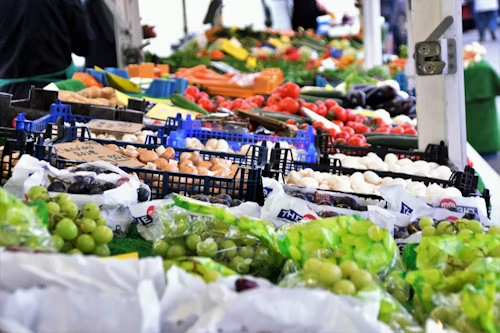
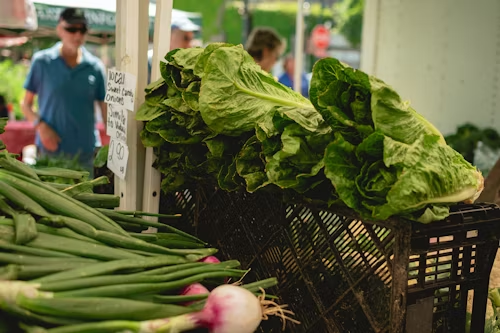
Supporting local marketplaces, including community farmers markets and farm-to-table markets, is not just a trend but a lifestyle choice that can significantly impact local economies, environmental sustainability, and social fabric. As consumers increasingly seek out farm fresh produce and unique local vendors, understanding the dynamics and benefits of these interactions becomes crucial. This blog post delves into the importance of local marketplace support, the role of local vendors, and the thriving culture of community farmers markets. We will explore how these elements collectively foster community engagement, support the local economy, and promote healthy, sustainable living.
The Importance of Supporting Local Marketplaces
Local marketplaces are vital in building economic resilience in a community. When you spend money at a local vendor or a community farmers market, it circulates within the community, bolstering the local economy instead of leaking out to major corporations. Here are a few key reasons why supporting your local marketplace is beneficial:
- Economic Growth: Money spent locally generates twice as much income for the local economy. It supports families of local vendors and farmers, who in turn, spend within the community.
- Job Creation: Local marketplaces create jobs for community members. These range from opportunities at individual stalls to transportation and supply chain roles supporting the market’s operation.
- Environmental Impact: Purchasing from local vendors reduces the carbon footprint associated with transporting goods over long distances. Farm-to-table markets, offering farm fresh produce directly to consumers, also minimize packaging waste.
- Healthier Options: Local markets often provide fresher, less processed products which contribute to better dietary habits. Farm fresh produce retains more nutrients compared to goods that have traveled long distances.
The Role of Local Vendors in Community Markets
Local vendors are the heartbeat of community marketplaces. They offer a variety of goods from farm fresh produce to artisanal crafts and local delicacies, creating a vibrant shopping experience unique to each locality. The diversity of products available is just one aspect of their role:
- Preservation of Local Traditions: Many local vendors come from families that have participated in farming or artisan crafts for generations. By supporting them, you help preserve cultural traditions and crafts that might otherwise be lost.
- Innovation and Entrepreneurship: Local markets serve as testing grounds for new products. Vendors can innovate and receive immediate customer feedback, which can lead to larger-scale business developments based on community needs and preferences.
- Social Interaction: Markets are social hubs where people meet, mingle, and build relationships. The interaction between vendors and customers helps strengthen community ties and fosters a sense of belonging.
Community Farmers Markets: A Nexus of Local Support
Community farmers markets play a crucial role in local marketplace ecosystems. They are not merely places to buy food; they are vibrant social landscapes that fortify community relations and provide crucial economic opportunities for farmers and artisans. Here’s what makes community farmers markets so special:
- Direct Farmer-to-Consumer Contact: Consumers have the unique opportunity to engage directly with the people who grow their food. This direct line of communication enhances trust and allows consumers to learn about the food production process.
- Seasonal and Fresh Produce: Farmers markets specialize in offering seasonal produce, ensuring that customers get the freshest and tastiest food possible, which also supports sustainable agricultural practices.
- Support for Local Agriculture: By purchasing directly from farmers, consumers help sustain local agriculture, allowing for the preservation of farmland and rural livelihoods in their communities.
- Educational Opportunities: Many farmers markets also function as venues for educational outreach, where consumers can learn about food sources, preparation, and nutrition.
Farm-to-Table Markets: Encouraging Sustainable Eating Habits
Farm-to-table markets have gained popularity as more people recognize the importance of sustainable eating practices. These markets support the idea that fresh, local ingredients are not only better for health but also for the environment. Here are several impacts of farm-to-table markets:
- Reduced Environmental Impact: Local sourcing reduces the need for long-haul transportation, which is a major contributor to greenhouse gas emissions and global warming.
- Enhanced Freshness and Taste: Locally sourced food is generally fresher, tastier, and more nutritious, providing a superior eating experience compared to foods shipped from afar.
- Economic Benefits for Farmers: Farm-to-table markets ensure that more of the consumer's money goes directly to the farmer, rather than to intermediaries, which helps improve the financial stability of local farms.
Conclusion: The Collective Impact of Local Marketplace Support
Embracing local marketplaces, farm-to-table markets, and community farmers markets not only enhances your immediate quality of life but also contributes to a broader societal benefit. By choosing farm fresh produce and supporting local vendors, consumers play a crucial role in sustaining the local economy, promoting environmental sustainability, and preserving community culture and traditions. The ripple effects of such choices are profound, leading to stronger, more resilient local communities. With every purchase, we have the power to reshape our world, making it a healthier, more equitable place for future generations. Let us continue to champion the cause of local marketplaces and reap the manifold benefits they bring to our lives and our environment.