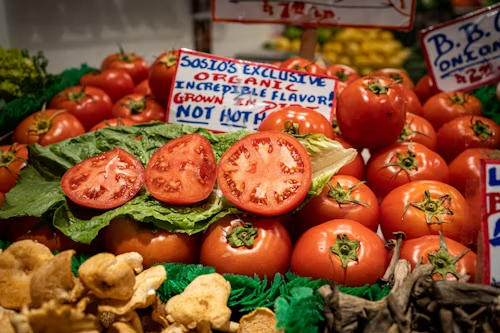
Enhancing Community Connections through Local Farmers Markets

The role of a local farmers market extends far beyond a simple venue for buying fresh produce. These markets are pivotal in connecting communities, fostering local economies, and promoting sustainability. By creating a shared space for the exchange of goods, stories, and traditions, they strengthen community ties and support local artisans and farmers. In this comprehensive exploration, we delve into the multifaceted benefits and strategic planning essential for thriving local and artisan goods markets.
The Importance of Farmers Markets in Community Engagement
Farmers markets do more than just sell locally-grown produce; they serve as a hub for community engagement and a platform for cultural exchange. These markets enable residents to interact with local growers, learn about the origins of their food, and gain insights into sustainable agricultural practices.
Benefits of Participating in Local Farmers Markets
Participation in local markets offers a variety of benefits for community members and local economies. Here's a closer look:
Key Reasons to Support Local Farmers Markets
- Promotion of local economy
- Access to fresh and nutritious products
- Reduction in carbon footprint
- Support for local agriculture
By choosing to shop at local farmers markets, consumers directly contribute to their local economy and help reduce environmental impact. This support helps maintain the viability of local farms, reduces transportation emissions, and ensures access to fresh food.
Strategic Planning for Farmers Market Success
Successful farmers markets don't just happen; they require careful planning and coordination. The following strategies are essential in launching and sustaining a thriving local farmers market.
Steps to Plan a Successful Farmers Market
Effective planning is crucial for the success of any farmers market. These steps outline how to start and maintain momentum:
Essential Steps in Farmers Market Planning
- Research local regulations and requirements
- Engage local farmers and artisans
- Develop a robust marketing strategy
- Establish consistent operating hours
- Implement safety and health protocols
- Plan for diverse vendor offerings
- Create community engagement activities
- Ensure accessibility for all community members
By following these steps, organizers can create a welcoming and thriving market environment that benefits vendors and shoppers alike.
Highlighting Artisan Goods at Local Markets
Artisan goods markets provide a vital platform for local craftsmen and artists to showcase their talents and sell their products. These markets not only support the local arts scene but also add a unique cultural element to the overall market experience.
Benefits of Including Artisan Goods in Farmers Markets
Incorporating artisan goods into farmers markets brings additional value and diversity, enhancing the shopping experience and broadening the market's appeal.
Variety of Artisan Goods to Feature in Markets
- Handcrafted jewelry and accessories
- Ceramics and pottery
- Homemade textiles and linens
- Art prints and photography
By offering a range of artisan products, markets can attract a wider audience, fostering greater community interaction and support for local artists.
Best Practices for Engaging the Community through Markets
Engagement goes beyond simply attracting visitors to the market. It involves creating meaningful interactions and a sense of belonging among community members.
Strategies to Boost Community Involvement
Effective community engagement requires active participation and shared experiences. Here are some strategies to enhance involvement and ensure everyone feels welcome:
Community Engagement Activities for Farmers Markets
- Live music and entertainment
- Workshops and educational talks
- Seasonal festivals and themed events
- Interactive activities for children
These activities not only entertain but also educate and connect people, making the farmers market a community focal point.
Tags: Connecting communities, Local farmers market, Farmers market planning, Artisan goods market, Community engagement
In conclusion, the value of local farmers and artisan goods markets in connecting communities cannot be overstated. They serve as critical platforms for fostering local economies, engaging community members, and promoting sustainable lifestyles. By effectively planning and incorporating diverse activities and offerings, market organizers can create vibrant, inclusive, and successful community hubs. Remember, every visit to a local farmers market is a step towards building a more connected and sustainable community.