Empowering Local Artisans Through Strategic Farmers Market Planning

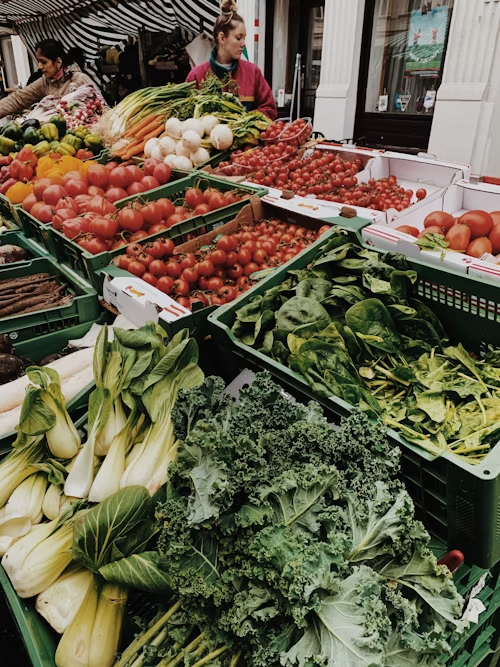
In a world where big retailers dominate consumer markets, local artisans and small-scale farmers are finding rejuvenating soil in the burgeoning field of farmers markets. These markets not only serve as essential platforms for selling and showcasing locally produced goods but also play a pivotal role in empowering vendors and sustaining regional economies. Crafting a successful farmers market involves strategic planning, community understanding, and a steadfast commitment to empowering local artisans and vendors. This blog post delves into the best practices in farmers market planning and shares insights on how these markets can serve as powerful tools for vendor empowerment.
The Importance of Farmers Markets for Local Artisans
Farmers markets are more than just temporary shopping venues; they are vital economic engines that drive local growth and support the creative endeavors of individual artisans. By providing a space where local talents can connect directly with customers, these markets help preserve traditional crafts, promote agricultural sustainability, and boost local employment. For many artisans and small-scale producers, farmers markets are the primary channels through which they gain exposure and build their businesses.
Moreover, these markets help to foster a sense of community by bridging the gap between urban consumers and rural producers. They offer a unique insight into the local culture and are a beacon of sustainability and ethical consumer practices, appealing to a growing demographic of environmentally and socially conscious buyers.
Strategic Planning for Farmers Markets
Effective farmers market planning is crucial for its success. Organizers and local governments need to consider several factors that contribute to creating a thriving market environment that benefits both vendors and customers.
- Location: The choice of location can make or break a farmers market. Ideal locations are accessible, visible, and well-connected by public transport. Parking availability is also a crucial factor to consider.
- Vendor Selection: A diverse mix of vendors selling a variety of goods—from fresh produce, handmade crafts, to gourmet foods—can attract a wider audience. Ensuring a high standard of quality in products offered is also essential.
- Customer Demographics: Understanding the local population and their preferences helps in tailoring the market offerings to meet community needs, which can significantly boost attendance and sales.
- Amenities: Basic amenities such as clean restrooms, seating areas, and food stalls can greatly enhance the shopping experience and encourage longer visits.
- Marketing and Promotion: Effective advertising through social media, local newspapers, and community bulletins can increase visibility. Engaging the community through events and workshops at the market can also draw more visitors.
Empowering Vendors Through Supportive Measures
To truly empower local artisans and vendors, market organizers must go beyond basic logistical planning. Providing robust support structures and resources can significantly impact the success of the vendors and, by extension, the market itself.
- Education and Training: Offering workshops on business skills, digital marketing, product presentation, and customer service can equip vendors with the tools they need to succeed.
- Financial Assistance: Facilitating access to small business loans or grants can help artisans expand their production or improve their market stalls.
- Network Building: Creating opportunities for vendors to network with each other, with business experts, and with suppliers can open up new business opportunities and avenues for collaboration.
- Feedback Mechanisms: Implementing systems for customer and vendor feedback can provide valuable insights that help in refining market operations and offerings.
Case Studies of Successful Markets
Many farmers markets around the globe serve as benchmarks of success and offer lessons in effective market management and vendor empowerment. For instance, the Union Square Greenmarket in New York City not only supports hundreds of local vendors but also provides them with educational programs that enhance their farming practices and marketing skills. Similarly, the Borough Market in London offers diverse vendor support services, including small business training and sustainability initiatives.
These examples show that with the right approach and resources, farmers markets can significantly uplift local artisans and contribute to the vitality of local economies.
Looking Forward: The Future of Farmers Markets
As consumer preferences shift towards sustainable and locally-sourced products, farmers markets are poised to grow in importance. For local artisans, these markets will continue to be invaluable as both economic platforms and community spaces. However, the sustainability of farmers markets hinges on continuous innovation in market management and vendor support. Embracing technology, enhancing vendor diversity, and expanding customer engagement are just a few avenues through which farmers markets can evolve and thrive in the changing economic landscape.
In conclusion, empowering local artisans through well-planned and supportive farmers markets is an endeavor that benefits all - vendors, consumers, and the community at large. By fostering an environment that promotes quality, diversity, and sustainability, these markets not only enrich local culture but also contribute to building a more sustainable world. Let's continue to support and champion these vital community spaces for a brighter, more connected future.