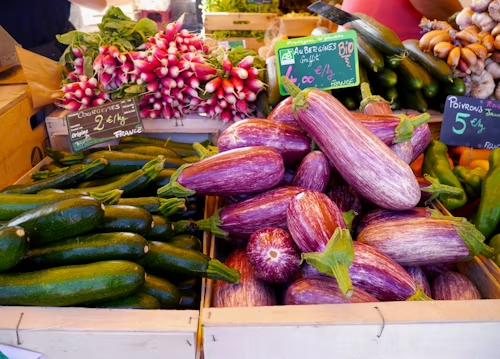
Empowering Communities through Building Local and Seasonal Food Markets

Local and seasonal food markets are not just a source of fresh produce; they are vital ecosystems that boost local economies, support agricultural sustainability, and bring communities together. Vendor recruitment plays a crucial role in this process, ensuring a diverse and vibrant marketplace that can meet consumer demands and foster local business growth. In this blog post, we will explore the strategies for building strong local markets, the importance of integrating local agricultural markets, and how seasonal food markets can transform a community’s economic and social landscape.
The Importance of Vendor Recruitment in Strengthening Local Markets
Vendor recruitment is a critical component in the development of successful local markets. It involves more than just filling stalls; it requires a strategic approach to building a market that reflects the community’s needs and values. Effective vendor recruitment can lead to a diverse market offering, which attracts more visitors and fosters a competitive but collaborative environment among vendors.
- Understanding Community Needs: Successful vendor recruitment begins with a deep understanding of the local community's preferences and needs. This may involve community surveys, engaging with local business councils, and observing market trends.
- Diverse Vendor Selection: To cater to a wide range of tastes and preferences, markets should aim to include a variety of vendors offering everything from fresh produce and gourmet foods to artisan crafts and quick meals.
- Continuous Vendor Support: Providing vendors with support through educational programs, resources for business growth, and robust market promotion can help ensure their success and, by extension, the success of the market as a whole.
Building Thriving Local Agricultural Markets
Local agricultural markets serve as critical hubs for small to medium-sized farm operations to connect directly with consumers, bypassing the often costly middlemen. Building these markets involves both logistical and strategic challenges that can be overcome with thorough planning and community involvement.
- Location Selection: Choose a location that is accessible and visible to maximize foot traffic. Consider factors like parking, public transportation access, and pedestrian friendliness.
- Community Involvement: Engage local stakeholders early in the planning process to ensure the market meets the broader needs of the community. This can include workshops, public forums, and social media outreach.
- Regulatory Compliance: Navigating the regulations surrounding food sales is crucial. This includes health and safety standards, as well as any local ordinances specific to farmers' markets.
Capitalizing on Seasonal Food Markets
Seasonal food markets are unique opportunities that allow vendors to offer special products that are not available year-round, creating a buzz and drawing in crowds. These markets require different strategies to maximize their potential.
- Marketing and Promotion: Utilize social media platforms, local media outlets, and community boards to highlight the unique aspects of the seasonal market. Special events or themes can also attract greater attention.
- Vendor Variety: Encourage vendors to offer seasonal specialties, whether it's fresh spring herbs, summer fruits, autumn harvest vegetables, or holiday treats. This not only nurtures biodiversity but also caters to consumer expectations.
- Customer Engagement: Create engaging experiences such as cooking demonstrations, taste tests, and farmer meet-and-greets. These can educate consumers about the benefits of seasonal eating and create deeper connections between vendors and consumers.
Challenges and Solutions in Local Market Development
While the benefits of local and seasonal markets are clear, there are several challenges that can impede their success. Addressing these challenges head-on can pave the way for thriving, sustainable markets.
- Economic Viability: Ensuring the market is financially sustainable often requires a mix of vendor fees, sponsorships, and community grants. Transparent financial planning and strong management are vital.
- Vendor Retention: Keeping vendors happy and engaged is crucial for retaining their participation from season to season. Regular feedback sessions, vendor appreciation events, and clear communication can help maintain a strong vendor base.
- Weather Dependency: Outdoor markets are vulnerable to weather conditions, which can impact vendor attendance and customer turnout. Solutions include seasonal canopies, indoor market days, or alternative scheduling to accommodate less favorable weather.
Conclusion
Building local and seasonal food markets is a multifaceted endeavor that involves careful planning, community engagement, and ongoing management. By focusing on effective vendor recruitment, embracing the peculiarities of local and seasonal produce, and overcoming inherent challenges, communities can create not just markets, but vibrant, sustainable meeting places that enrich the local economy and culture. As these markets grow, they not only provide local access to fresh, healthy food but also strengthen community ties, making them an indispensable part of urban and rural landscapes alike.
Whether you are a community planner, a potential vendor, or a local government official, understanding the dynamics of local market operation can significantly contribute to the socio-economic health of your community. Start small, plan strategically, and watch as your local market flourishes into a cornerstone of local life and a beacon of community pride.