Effective Strategies for Farmers Market Event Planning and Execution

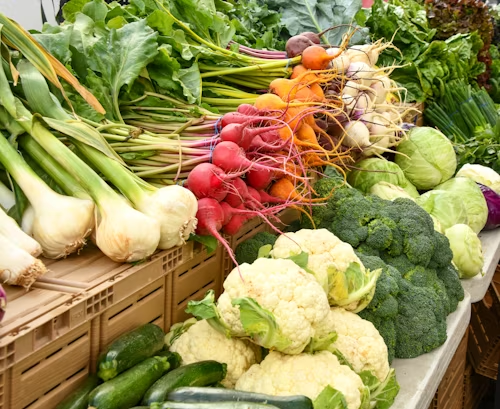
Just like the quirky yet beloved neighborhood of Hey Arnold!, a well-planned farmers market can become the heart of any community. Packed with vibrant stalls, locally sourced produce, and bustling with activity, organizing such an event requires meticulous planning and a dash of creativity—much like orchestrating one of Arnold's adventurous plans!
Farmers Market Consulting: Laying the Groundwork
Embarking on the journey of organizing a farmers market is akin to planning a community fair in Hey Arnold!'s neighborhood. It calls for an understanding of both the beat of the local community and the rhythms of agricultural production. This is where farmers market consulting steps in to bridge the gap.
The Role of a Farmers Market Consultant
A consultant’s job is to ensure that your market not only thrives but also becomes a staple in local traditions. This involves strategic planning, vendor management, and community engagement—all pivotal in cultivating a successful market atmosphere.
Key Responsibilities of a Farmers Market Consultant
- Market feasibility studies
- Vendor selection and management
- Event layout and logistics planning
- Community engagement and marketing strategies
After understanding the consultant's role, it’s clear that they are the architects behind the scenes, ensuring the market structure is both robust and appealing.
Mastering Market Logistics
Effective market logistics are the backbone of any farmers market. It ensures that the market operates smoothly, much like the way Arnold ensures that his plans run without a hitch—with strategy and foresight.
Planning Your Market Layout
The layout of your market can influence the flow of foot traffic and the overall shopper experience. A well-designed layout ensures that vendors have optimal visibility and that shoppers can navigate the market easily.
Components of a Successful Market Layout
- Clear signage and directories
- Strategically placed high-demand vendors
- Accessibility features for all visitors
- Emergency access and first aid stations
A thoughtful market layout not only enhances shopper satisfaction but also boosts vendor sales, creating a win-win situation reminiscent of one of Arnold's well-thought-out urban adventures.
Farm-to-Community Connections
Establishing strong farm-to-community connections is fundamental. This not only supports local agriculture but also fosters a sense of belonging and community pride, much like the tightly-knit community seen in Hey Arnold!.
Building Sustainable Relationships
Engaging with local farmers and incorporating their feedback into the planning process helps in creating an event that truly reflects the needs and preferences of the community.
Strategies for Strengthening Farm-to-Community Ties
- Regular community meetings with stakeholders
- Feedback loops with participating farmers
- Community-supported agriculture (CSA) programs
- Educational programs about local farming
By implementing these strategies, farmers markets can transform into hubs of community activity and learning, much like the iconic stoop in Hey Arnold!, where all the key discussions happen.
Wrapping Up: The Big Picture in Farmers Market Planning
In conclusion, much like planning one of Arnold's epic urban adventures, crafting a successful farmers market involves an intricate blend of consultation, logistics, and community engagement. It's about creating an event that not only sells products but also builds relationships and fosters a vibrant community spirit.
Tags: Farmers market event planning, Market logistics, Farmers market consulting, Farmers market planning, Farm-to-community connections