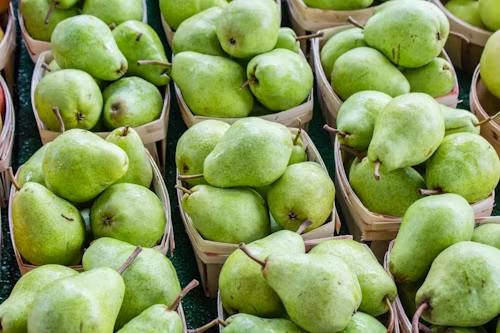
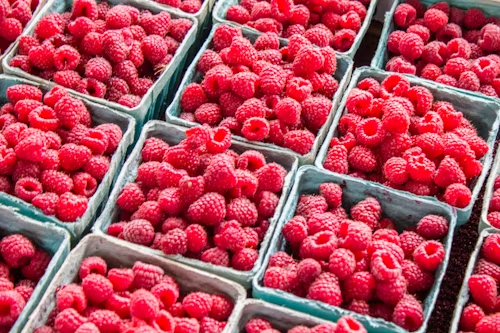
Can a community farmers market boost the organic produce market in 2026?
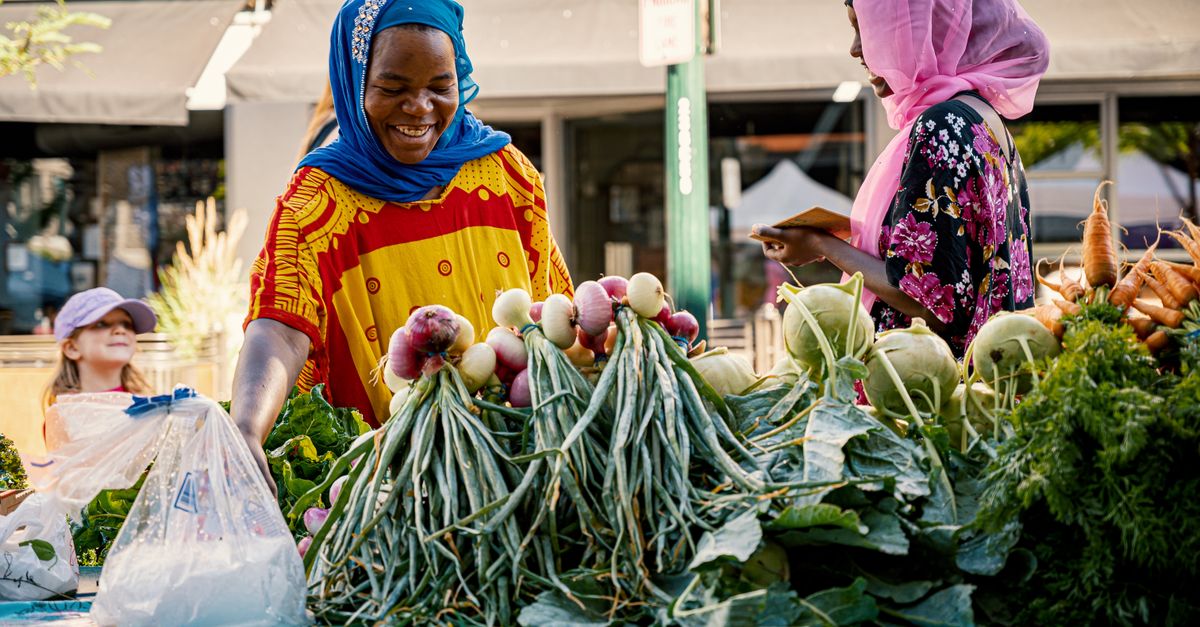
I’m standing behind the green‑topped stalls of my local farmers market, watching families pick fresh tomatoes while kids chase each other between rows. The scene feels familiar yet evolving: in 2026, community farmers markets are more than a place to buy food—they’re catalysts for growth in the organic produce market and sustainable local economies.
Why the Organic Produce Market Matters Now
The shift toward healthier lifestyles has pushed consumers to seek organically grown fruits and vegetables. Yet many shoppers still face supply chain gaps: inconsistent availability, high prices, and a lack of trust in labels. Community farmers markets close those gaps by providing direct access to growers, transparent pricing, and seasonal abundance.
At a local market, buyers see the farmer’s face and ask about soil practices, which builds confidence that big‑box stores can’t replicate. Beyond certification, many growers share stories of regenerative practices—cover cropping, composting, crop rotation—that resonate with consumers eager to support environmentally responsible agriculture.
Key Drivers of Organic Produce Demand in 2026
The demand curve is shaped by three forces:
1. Health Consciousness
- Increased awareness of pesticide residues and hormone use after high‑profile studies linking chemical exposure to chronic health conditions.
- Rise of plant‑based diets boosting vegetable consumption; many consumers now look for organic options to avoid additives in processed foods.
- Willingness to pay more for verified organic labels, perceived as safer and higher quality.
2. Environmental Awareness
- Concern over carbon footprints of imported produce; locals want food that reduces transportation emissions.
- Interest in low‑emission supply chains where the distance from farm to table can be measured in miles rather than hundreds of kilometers.
- Demand for regenerative practices such as no‑till agriculture, which sequester carbon and improve soil health.
3. Economic Incentives
- Government subsidies for organic certification lower barriers for small farmers.
- Tax breaks for locally selling farms encourage them to stay in the community.
- Loyalty programs at markets reward repeat visits with discounts or free items, reinforcing local organic buying habits.
How Community Farmers Markets Spur Market Growth
Community farmers markets act as micro‑ecosystems that accelerate organic growth by offering a platform for experimentation, feedback loops, and brand building. Below are concrete ways they influence the larger market:
1. Direct Feedback Loop
- Immediate consumer reactions inform growers about flavor preferences.
- Real‑time price adjustments keep vendors competitive.
- Seasonal crop diversification follows local taste trends.
2. Reduced Distribution Costs
- Shorter supply chains cut transportation expenses and GHG emissions.
- Lower storage needs reduce spoilage; produce is sold within hours or days of harvest.
- Higher profit margins encourage reinvestment in organic practices.
3. Community Trust Building
- Personal interactions strengthen brand loyalty; a child’s “I love this apple” becomes word‑of‑mouth evidence.
- Transparency about certification demystifies labeling.
- Word‑of‑mouth referrals expand market reach beyond the immediate area.
Building a Sustainable Market Infrastructure
To replicate this success, you need more than a stall; you require infrastructure that supports sustainability and scalability. Below is a checklist of essential components:
1. Site Selection & Logistics
- High foot traffic with easy parking or nearby public transit.
- Access to water, electricity, waste disposal—many markets now use solar panels.
- Permits for food sales and vendor operations, including health department approvals.
2. Vendor Recruitment Strategy
- Target certified organic growers within a 30‑mile radius.
- Tiered booth fees based on produce volume and quality.
- Mentorship pairing new vendors with experienced ones to share certification knowledge.
3. Marketing & Community Engagement
- Leverage local media, social platforms, and newsletters to announce dates and highlight vendors.
- Host seasonal events—spring markets, fall harvest festivals—to maintain year‑round excitement.
- Collaborate with schools for tours and cooking demos, turning the market into a living classroom.
Financial Planning: Costs vs. Revenue Projections
The financial model of a community farmers market is straightforward but requires careful planning. Below are typical cost categories and revenue streams:
1. Fixed Costs
- Rent or lease for the space; many municipal parks offer free use.
- Utilities: water, electricity, internet.
- Insurance covering liability and property damage.
2. Variable Costs
- Vendor fees (fixed rates or percentage of sales).
- Marketing expenses that scale with event reach.
- Event staffing—volunteers often cover most roles.
3. Revenue Streams
- Stall rentals, tiered by size and foot traffic.
- Sponsorships from local businesses aligned with sustainability values.
- Community event fees for cooking classes or workshops.
Common Pitfalls to Avoid
Even a solid plan can falter if you overlook these frequent mistakes:
1. Ignoring Seasonal Variability
- Failing to adjust vendor mix during off‑season months—offer root crops or preserved goods when fresh produce is scarce.
- Underestimating the need for alternative options that keep stalls stocked year‑round.
2. Poor Vendor Management
- Lack of clear communication about stall rules; a written handbook reduces misunderstandings.
- Insufficient support for new vendors leads to high turnover; regular check‑ins help troubleshoot early.
3. Neglecting Community Feedback
- No consumer data collection—simple exit surveys or digital forms surface actionable insights.
- Missing opportunities to align product offerings with local preferences.
The Role of Technology in Market Operations
Technology streamlines operations and enhances the customer experience. Three tools prove effective:
1. Digital Scheduling Platforms
- Vendors book stalls online, reducing admin workload.
- Real‑time stall availability helps shoppers plan visits.
- Integration with payment systems tracks vendor sales automatically.
2. Mobile Payment Solutions
- Cashless transactions increase speed and safety during peak hours.
- Loyalty programs tied to digital receipts reward repeat visits.
- Split‑payment options let families divide costs.
3. Data Analytics Dashboards
- Track sales trends, foot traffic, and vendor performance in real time.
- Insights inform marketing campaigns and event planning.
- Individual reports help vendors fine‑tune product mix and pricing.
Scaling Beyond a Single Market
If you’re looking to expand, consider creating a network of community farmers markets across neighboring towns. Benefits include:
1. Shared Resources
- Pooled marketing budgets for regional promotion.
- Centralized vendor training and certification workshops.
2. Cross‑Market Promotions
- Discounts for shoppers who visit multiple markets—e.g., a stamp card that earns a free bag of apples after five visits.
- A unified loyalty app tracks purchases across sites, revealing consumer habits.
3. Economies of Scale in Procurement
- Bulk purchasing of equipment at lower costs; shared inventory reduces waste.
- Group bargaining power with suppliers for better rates on utilities, insurance, and marketing services.
Measuring Success: KPIs for Community Markets
Track these key performance indicators to gauge the health and impact of your market:
1. Vendor Retention Rate
- A high retention rate indicates vendor satisfaction; a drop may signal fee or support issues.
2. Customer Footfall per Event
- Measure daily attendance during peak and off‑peak seasons to assess promotional effectiveness.
3. Average Transaction Value (ATV)
- Higher ATV suggests successful premium pricing; lower ATV prompts a review of offerings or pricing tiers.
4. Community Engagement Score
- Survey feedback on atmosphere, variety, and service quality; benchmark against neighboring markets to identify improvement areas.
Community Impact: Beyond Economics
A thriving community farmers market contributes to social cohesion and environmental stewardship:
1. Food Security Enhancement
- Affordable access to fresh produce for low‑income households through sliding‑scale pricing or voucher programs.
- Reduced reliance on grocery chains with limited organic options, keeping food dollars local.
2. Educational Opportunities
- Hands‑on learning about sustainable agriculture—workshops on composting, seed saving, soil testing empower participants to make informed choices.
3. Environmental Benefits
- Lower carbon emissions from reduced transport distances—each market can calculate average miles saved per visitor.
- Promotion of regenerative techniques that improve soil health; many growers showcase living soil test results, reinforcing the science behind organic practices.
Future Outlook: Trends to Watch in 2026 and Beyond
The landscape of organic produce and community markets will continue evolving with technological, regulatory, and consumer shifts. Keep an eye on:
1. Digital Labeling
- Blockchain verification of organic claims—shoppers scan QR codes to trace a product’s journey from seed to sale.
2. Subscription Models
- Farm‑to‑door delivery boxes sourced from local markets; subscription customers receive seasonal produce without traveling each week.
3. Climate Resilience Initiatives
- Investments in drought‑tolerant crop varieties and water‑saving irrigation systems reduce supply shortages during heatwaves.
4. Policy Incentives
- State grants for farmers adopting organic practices; municipalities may offer tax credits for markets meeting sustainability benchmarks.
In conclusion, community farmers markets are not just seasonal events; they’re strategic drivers that strengthen the organic produce market and foster sustainable local economies. By focusing on transparency, technology, and community engagement, you can build a model that scales, thrives, and benefits everyone involved.
What specific challenges have you faced in launching or managing a community farmers market, and how did you overcome them?