Boosting Local Economies Through Farmers Market Support and Artisan Goods

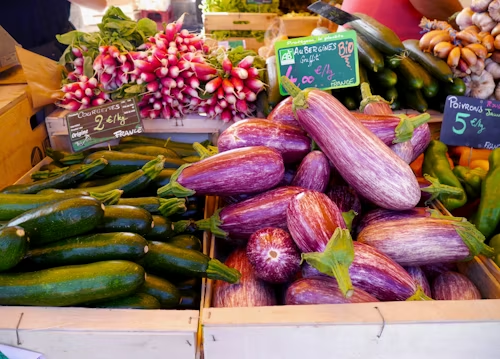
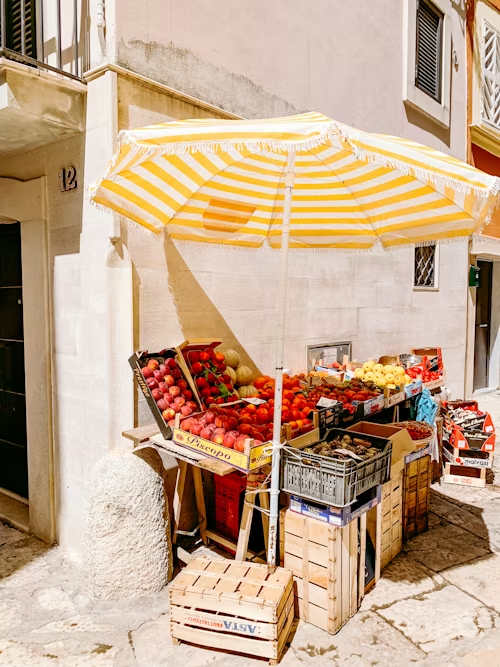
Local farmers markets represent a bustling hub of community life and economic activity, providing fresh produce and unique artisan goods directly from producers to consumers. They embody the spirit of local entrepreneurship and sustainable living, which are vital in today's eco-conscious consumer market. This blog post explores the significance of farmers market support, the thriving nature of artisan goods markets, and how these elements combine to create a benchmark of farmers market excellence.
Understanding the Importance of Farmers Market Support
Farmers markets play a crucial role in local economies by providing small farmers and artisans direct access to consumers. This not only helps in boosting the local economy but also supports sustainable agricultural practices. There are several reasons why supporting your local farmers market can have a profound impact:
- Economic Impact: Money spent at local markets circulates within the community, supporting local jobs and businesses.
- Access to Fresh and Nutritious Foods: Farmers markets offer fresh, locally-sourced fruits and vegetables, often picked within 24 hours of their sale.
- Environmental Benefits: Shorter transportation distances for produce mean reduced carbon footprints and less packaging waste.
- Cultural Significance: They serve as social and cultural meeting points where people come together, fostering a sense of community and shared values.
Supporting local markets is crucial for the preservation of local food varieties and traditional farming methods, which are often more sustainable than those used in large-scale agriculture.
Exploring the Diversity of Artisan Goods Markets
Artisan goods markets are a celebration of craftsmanship and creativity. These markets serve as critical platforms for artisans to showcase their work, from handmade jewelry and crafts to bespoke textiles and artisanal foods. The diversity of products offered not only enriches the shopping experience but also encourages the preservation and transmission of traditional skills and knowledge.
- Handcrafted Products: Items made by hand, often with traditional techniques, offer higher quality and unique designs that are not available in conventional stores.
- Local Flavors: Artisanal food products, such as cheeses, preserves, and baked goods, reflect the local culture and culinary traditions.
- Eco-friendly Choices: Many artisans focus on sustainable methods and materials, appealing to environmentally conscious consumers.
By purchasing from artisan goods markets, consumers not only receive quality products but also contribute to sustaining the arts and craftsmanship relevant to their community.
Creating Excellence in Farmers Markets
Farmers market excellence can be achieved through a combination of community involvement, quality control, and consistent support from local governments and consumers. Here’s how various stakeholders can contribute:
Community Involvement
Community support is fundamental to the success of farmers markets. This includes regular patronage from local residents and participation in market events. Markets can foster this involvement through:
- Events and Workshops: Hosting cooking demonstrations, craft workshops, and other educational activities to engage the community.
- Volunteer Programs: Encouraging locals to help with market setup, operations, and promotions to build a sense of ownership and pride.
Quality Control and Vendor Selection
To maintain a high standard of goods, market organizers need to implement rigorous vendor selection criteria. This might involve:
- Product Quality Checks: Regular assessments to ensure that all products meet specific quality standards.
- Vendor Diversification: Aiming for a balance between produce, artisan goods, and ready-to-eat food vendors to cater to a wider audience.
Support from Local Governments
Local governments can play a significant role in the success of farmers markets by:
- Providing Spaces: Allocating spaces in accessible locations that can attract high foot traffic.
- Financial and Regulatory Support: Offering grants, subsidies, or tax incentives and simplifying the permit process for vendors.
Case Studies of Successful Farmers Markets
Examining successful farmers markets provides valuable insights into best practices that can be replicated. For instance, the Union Square Greenmarket in New York City has grown to become one of the most successful farmers markets in the United States, thanks to its robust vendor support system, variety of local and seasonal products, and strong community engagement initiatives. Another example is the Pike Place Market in Seattle, which emphasizes not only the sale of fresh produce but also the promotion of local art and craft, making it a vital cultural hub in the city.
Conclusion: The Way Forward with Farmers Markets
Supporting local farmers markets and artisan goods markets is more than just a purchasing decision—it's a commitment to supporting the local economy, environment, and community. Each visit to a market can contribute to a cycle of benefits that reinforce the importance of local food systems and economies. By fostering these markets, we invest in the health and prosperity of our communities and ensure that we maintain the diversity and quality of goods that these markets are celebrated for.
Whether you are a local government official, a small farmer, an artisan, or a consumer, your support can lead to a sustainable future for farmers markets, promoting not only economic but also environmental and social benefits. It's time to embrace the excellence of farmers markets and ensure they thrive for generations to come.