Amsterdam's Lessons on Enhancing Community Through Farmers Markets

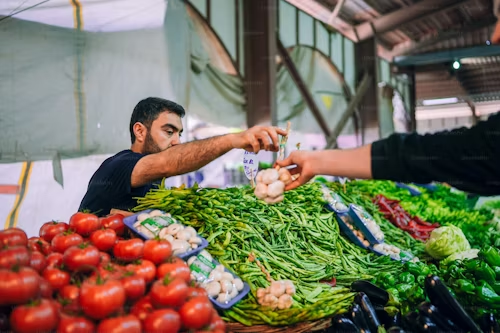
When you think of Amsterdam, what springs to mind? Perhaps a serene canal tour or the vibrant tulip blooms. Yet, it's the city's bustling farmers markets, akin to a well-orchestrated symphony of community and culture, that are the true heartbeat of daily life. These local markets, with their blend of fresh produce and lively interactions, are more than just places to buy food; they serve as pivotal community connectors. This narrative isn't unique to Amsterdam but is a global truth, where regional farmers markets contribute significantly to local economies and wellness. By integrating effective event planning and prioritizing market accessibility, these communal hubs can flourish, benefiting both vendors and visitors alike.
The Role of Farmers Markets in Community Building
Farmers markets do more than just sell food; they foster community spirit and support sustainable local economies. They are places where strangers become neighbors, and neighbors become friends. The markets provide a platform for local farmers, artisans, and businesses, promoting a cycle of local spending that boosts the regional economy.
Just as Amsterdam's markets draw locals and tourists alike, farmers markets globally can become central to a community’s weekly routine. They are events where families can spend part of their day, individuals can enjoy fresh food, and everyone can feel a sense of belonging and community pride.
Benefits of Community Engagement at Farmers Markets
Participating in community events like farmers markets has multiple benefits:
Key Benefits of Community Engagement
- Supports local economies by keeping money within the community
- Promotes healthy eating through access to fresh, local produce
- Provides a sense of community and belonging
- Reduces environmental impact through decreased food miles
These markets not only nurture the local economy but also help in building a healthier community by providing access to fresh foods and reducing carbon footprints. Thus, the importance of maintaining and expanding these community events cannot be overstated.
Planning Successful Farmers Market Events
Effective farmers market event planning is critical to ensure the success and sustainability of these markets. It involves everything from vendor selection to customer engagement strategies. By learning from cities like Amsterdam, where markets are a staple, planners can replicate success in their own regions.
Organizing a farmers market requires attention to detail and a deep understanding of the community’s needs. Here’s a break down of the essentials in planning:
Essentials of Farmers Market Planning
Key Steps in Event Planning
- Identify the right location accessible to a broad audience
- Engage with local farmers and vendors who offer a variety of goods
- Implement robust marketing strategies to boost attendance
- Ensure amenities like parking, toilets, and seating areas are available
It’s crucial to create an environment where vendors are supported and visitors feel welcomed. Effective planning leads to increased vendor satisfaction, greater community participation, and ultimately, a thriving market.
Enhancing Accessibility in Farmers Markets
Accessibility is key to the success of any community event, especially in a regional farmers market. Everyone, regardless of physical ability, should have the opportunity to enjoy what these markets have to offer. This includes accessible paths, clear signage, and perhaps even transport services for those who need it.
Improving accessibility not only broadens the market’s customer base but also enhances the overall market experience for all attendees. This has been exemplified in markets across Amsterdam, where accessibility improvements have seen increased foot traffic and higher vendor sales.
Accessibility Features for Farmers Markets
Important Accessibility Features
- Wheelchair accessible entrances and paths
- Clearly marked and reserved parking spaces
- Accessible public transport options
- Service animal-friendly policies
By incorporating these accessibility features, farmers markets can become a welcoming space for everyone in the community, mirroring the inclusive atmosphere found in Amsterdam’s local markets.
Final Thoughts
Just as the canals of Amsterdam facilitate the seamless flow of the city's charm, well-planned and accessible farmers markets can become conduits for thriving communities. They not only serve as critical economic outlets for local producers but also as vibrant social gatherings that strengthen community ties. With thoughtful planning and a focus on accessibility, farmers markets everywhere can achieve the same vibrancy and importance as those in Amsterdam, creating a win-win scenario for all stakeholders involved.
Tags: Community events, Regional farmers market, Farmers market event planning, Market accessibility